‘Escaping Beijing’: Why some young Chinese are quitting the capital
 16 July 2026
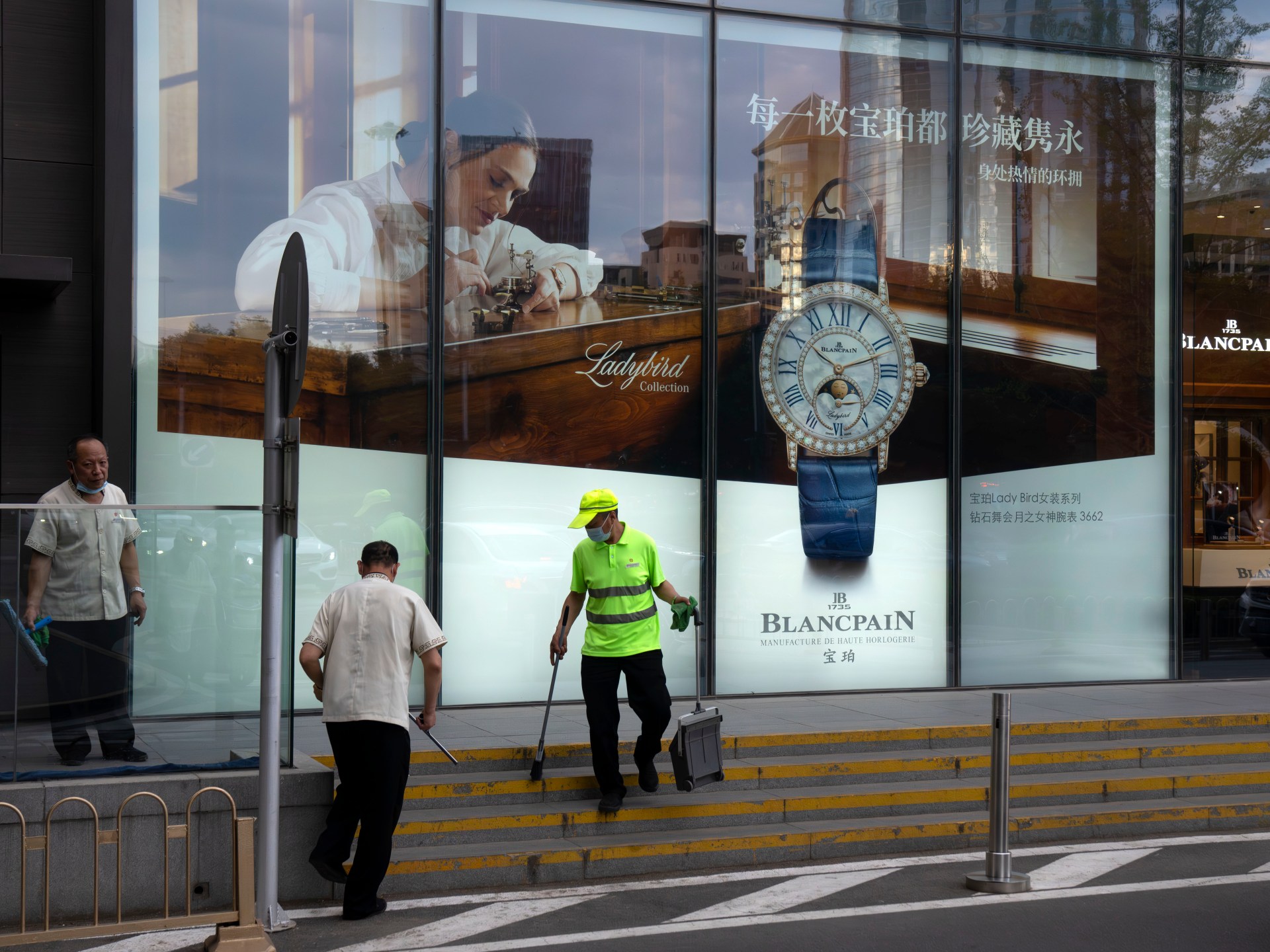

For centuries, Beijing has represented the pinnacle of ambition in China. From imperial capital to the political heart of modern China, the city has long attracted those hoping to build a better life.
In medieval times, scholars travelled here to sit the imperial examinations. In more recent decades, graduates, entrepreneurs and migrant workers have flocked to the capital in search of opportunity as China’s economy boomed.
Wang Lei, 29, was one of them. Born in neighbouring Hebei province, he vividly remembers his first visit to the capital as a child. “When we arrived at Beijing Railway Station, my friend and I spotted a towering skyscraper for the first time,” Wang recalled. “I told him when I grew up, I would stand on top of it.”
He moved to the city in 2020 and found work in the real estate industry, then still one of China’s most lucrative sectors. Like millions before him, Wang arrived with the hope his hard work would be rewarded.
Six years later, those dreams lie in tatters — and Wang believes his future now lies beyond the city that once enthralled him.
City of migrants
The country’s economic miracle was built on one of the largest migrations in human history. Hundreds of millions of people left villages and smaller cities for booming urban centres, driving decades of extraordinary growth.
Few places symbolised that transformation more than Beijing. Its population has almost doubled since 1990, growing from about 11 million people to nearly 22 million. For many people from remote areas, just having a Beijing address has for years been seen as a symbol of success.
Advertisement
But in recent years there’s been a shift. China’s seemingly unstoppable double-digit growth has slowed to a pace not seen for decades. The double whammy of a crisis in the country’s real estate sector – once a key pillar of economic growth – and the coronavirus pandemic dealt a blow to business and consumer confidence.
Families who had invested the vast majority of their savings into property watched home prices sink and suddenly felt poorer. COVID-19, and the restrictions that followed, taught people they could never be too careful about saving for a rainy day.
People weren’t spending, and businesses stopped expanding. The job market tightened.
Wang Lei’s plan to make it big in Beijing quickly unravelled. “The real estate market was in a very bad state,” he said. “The pressure was immense, so I decided to quit.”
Today he works as a freelancer while co-owning a small bar with friends. The work offers greater flexibility, but the financial reality remains challenging.
“Many people around me – including my colleagues and friends – are under this same kind of stress,” he said. “Their salaries simply don’t match their expenses. If you add dating, rent and the occasional trip into the mix, the money just isn’t enough.”
Escaping Beijing and ‘lying flat’
On Chinese social media, posts under the hashtag “escaping Beijing” have gained widespread attention, with young people sharing their decisions to leave the capital.
Many cite the same reasons: expensive housing, intense competition and uncertainty about career prospects. For Wang, the question is increasingly practical.
“If I spent the same amount of money in another city, I might enjoy a better quality of life,” he says. That doesn’t mean the decision is an easy one. Wang acknowledges a stigma attached to leaving, one which implies failure and “loss of face”.
But he says the mindset is changing, especially among younger generations. They’re starting to reject a system where the cost of success has, in their opinion, become too high.
For years, China’s “996” work culture, working from 9am to 9pm, six days a week, was seen as a necessary sacrifice for those who wanted to get ahead. The concept was celebrated by the likes of Jack Ma, the billionaire founder of Chinese tech giant Alibaba, who had built his company and fortune from the ground up.
Older generations in China speak proudly of their ability to “chi ku” or “eat bitterness” in order to survive and thrive. But slowing economic growth and increasingly fierce competition have changed the calculus and given rise to the phenomenon of “tang ping”, or “lying flat”.
Advertisement
The term emerged in 2021 to describe young people who reject intense competition and choose a simpler lifestyle rather than endlessly pursuing higher salaries or traditional markers of success.
A new definition of success
It’s a choice that sounds increasingly appealing to Wang, who has seen a number of friends already leave the capital. “I’ve come to realise that the people who left Beijing to live in other cities are happier than I am,” he said. “They face far less pressure and anxiety. My own life is nowhere near as relaxed or free as theirs.”
He rejects the idea that leaving means abandoning ambition. “Sure, there are young people who don’t want to work hard, but there are plenty who do. We just need to adapt to the realities of today.”
For Wang, leaving Beijing would mean accepting that his childhood dream has changed. He was raised to believe that success meant reaching the top of China’s biggest cities. Now, he says, it means finding somewhere he can finally breathe and building a life which feels sustainable.
Related News

After the floods, hunger: Mozambique’s second disaster
Fishermen capture the moment earthquake hits Venezuelan coast

E1 settlement: Why Netanyahu, Israel’s right might not mind global outrage