Caribbean Education – Where Did the Boys Go?
 23 August 2026



By Gail S. Pero-Weston & Dr. Isaac Newton
News Americas, NEW YORK, NY, Sat. August 21, 2026: Four CXC numbers reveal a Caribbean education story we can no longer afford to overlook.
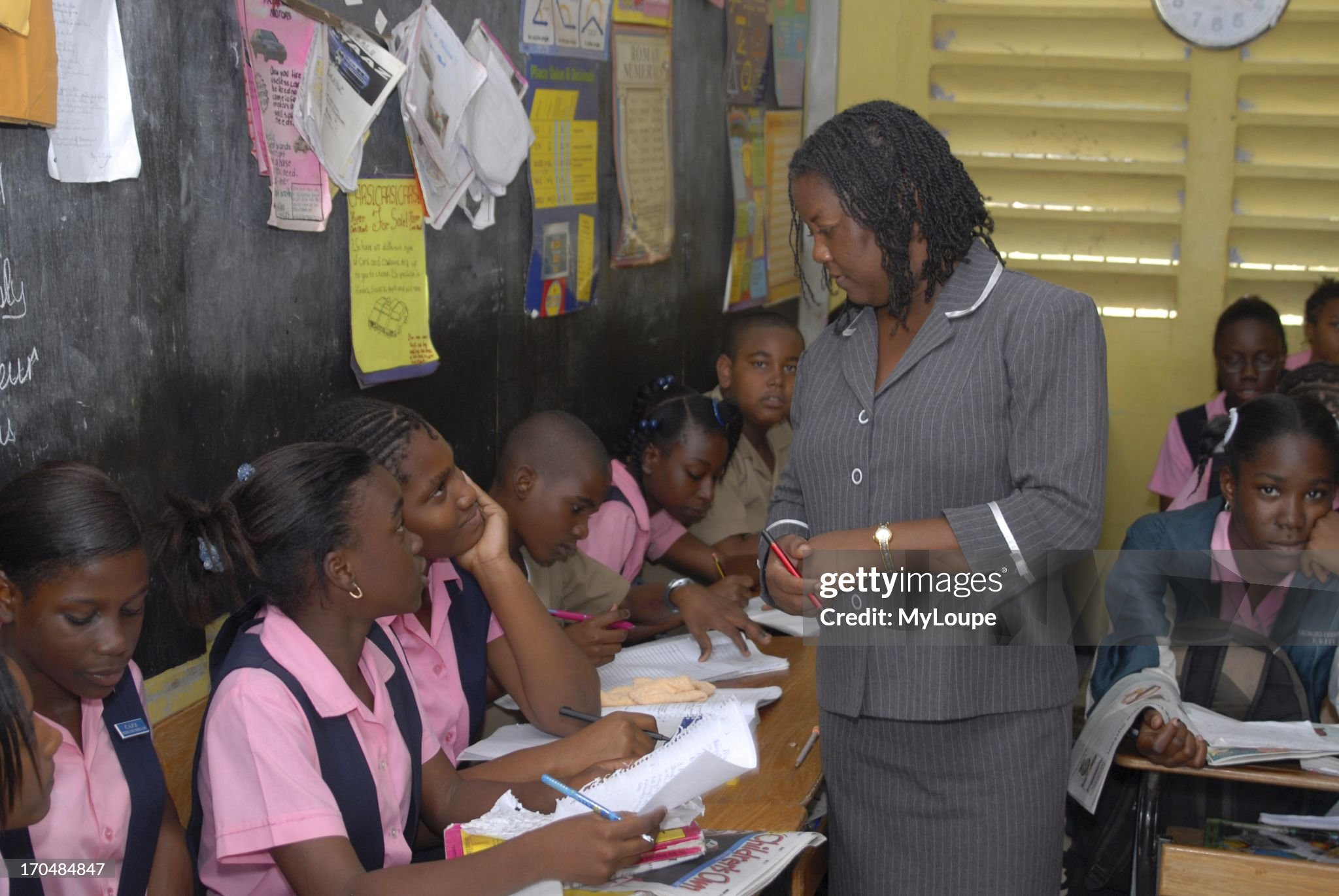
Imagine a boy beginning secondary school with his classmates. He enters the classroom beside girls who have the same opportunity to learn, grow and dream. At CCSLC, the numbers are almost even: 52 percent boys, 48 percent girls. Then the road changes. At CSEC, boys account for 41 percent of candidates. By CAPE, only 38 percent are boys, compared with 62 percent girls. The children started the journey side by side. Somewhere along the way, too many boys began to lose theirs.
We should read those numbers carefully. They measure examination participation, not intelligence or ability. They do not tell us that boys cannot learn, or that girls are responsible for boys’ struggles. They tell us that fewer boys are remaining on the academic pathway. And the wider Caribbean evidence deserves attention: girls have generally recorded higher CSEC pass rates and more top performances, while research shows that school characteristics, subject choices and other circumstances help explain the differences. The issue, then, is bigger than boys’ performance. It is about the journey that gets a child to the point of performance.
That journey needs a closer look. When does attendance begin to fall? When does reading become difficult? When does a boy stop raising his hand? When does school begin to feel disconnected from the life he imagines for himself? And what would we learn if we asked him before he failed?
This is where Maxine Greene of Teachers College, Columbia University, gives us an important intellectual lens. Greene believed education should cultivate imagination and help people see possibilities beyond the conditions they have inherited. At Teachers College, she helped make social imagination a serious educational and civic idea. We should apply that imagination here: the numbers describe what is happening; they do not dictate what must happen next.
The practical work begins early. Education systems should follow children from primary school through secondary school and identify the first signs of straying: missed classes, weak literacy, falling grades, disciplinary problems, withdrawal from demanding subjects or declining confidence. Then intervene before disengagement becomes failure. Provide strong reading support, mentoring, tutoring, career-connected learning, trusted adults and meaningful partnerships with parents. Most importantly, measure the results. If an intervention works, expand it. If it does not, change it. Good intentions are not an education strategy. Evidence is.
But there is another blind spot we must confront. Gender equity should never become a competition for compassion. Empowering girls and investing in boys are not competing agendas. Different children can face different barriers, and addressing one does not diminish the other. The real test of equity is whether we can see the whole landscape of human need and ensure that no child becomes invisible.
There is an old Caribbean wisdom: “Prevention is better than cure.” It may be the simplest way to understand the urgency. Do not wait for a CSEC result to tell us a boy has been disengaged for years. Find him when he first misses class. Find him when his reading falters. Find him when he stops believing that school has something to do with his future.
The goal is not to make boys more like girls. It is to make education work better for every child. Behind every percentage is a person. Behind every boy who remains engaged in learning is a future the Caribbean has not yet seen.
That future is worth shaping urgently.
About the Authors: Dr. Isaac Newton is a leadership strategist, governance scholar and author focused on ethical leadership, institutional excellence and human development. Gail S. Pero-Weston is an Antiguan attorney and former educator whose work spans law, education and civic advocacy. Together, their perspectives bring leadership, governance, education and community experience to the urgent question of keeping Caribbean boys engaged in learning.
RELATED: The Silent Brief: The Real Question Was Never Advertising
Related News

French Court Closes The Door On Justice For Toxic Pesticide Impacted Guadeloupe And Martin...

Over Four Dozen Missing After Guyana Ferry Disaster
A Sitting CCJ Judge Says The Court’s President Tried To Influence The Ruling Against Guy...