US strikes Iran again: What we know, and is the ceasefire over?
 26 May 2026
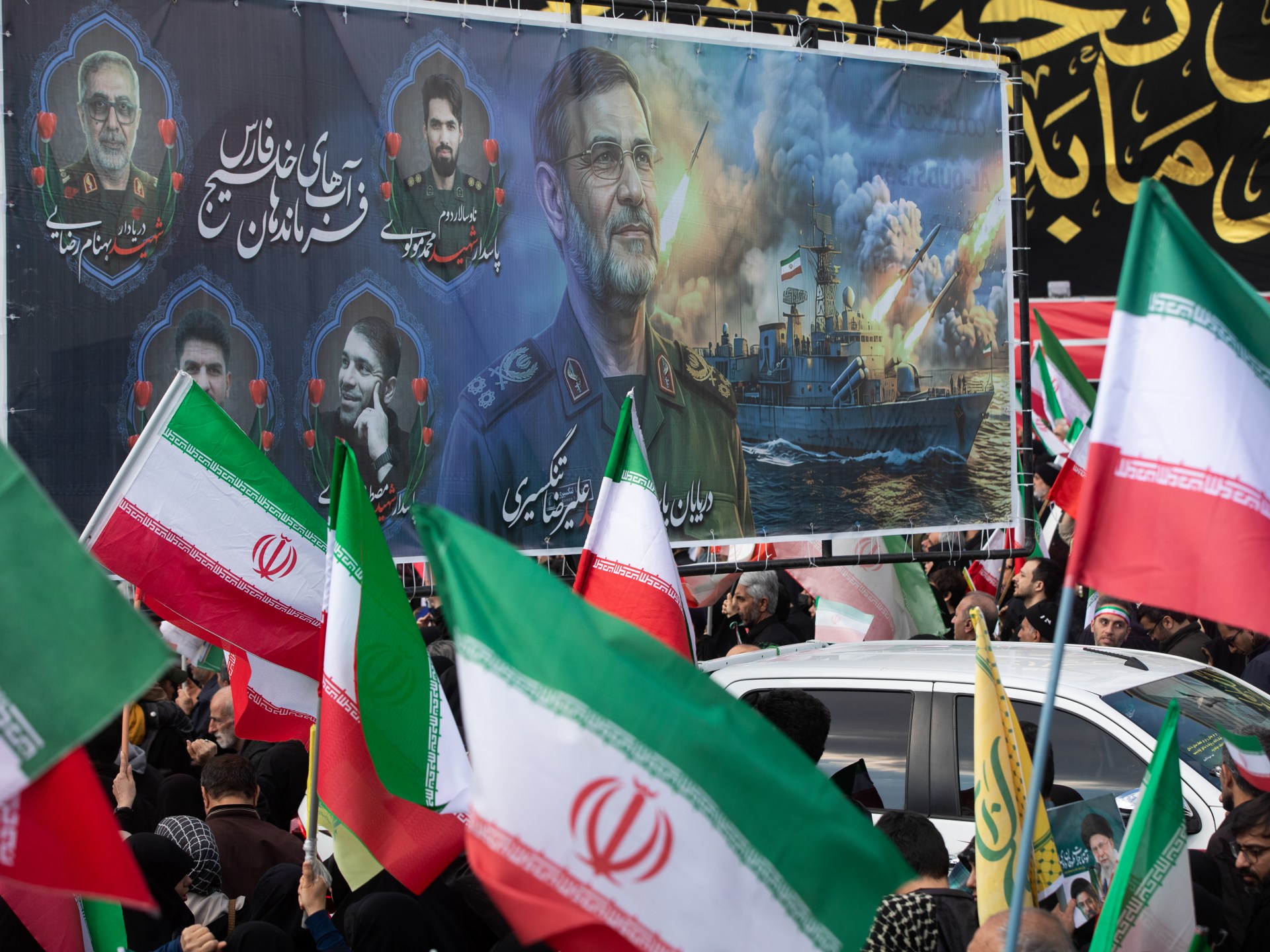

The US military has launched a series of strikes near the Strait of Hormuz as an Iranian delegation led by top officials travelled to Qatar to hold negotiations to end the US-Israel war on Iran.
The United States Central Command (CENTCOM) claimed it carried out the “self-defence strikes” to protect US troops from threats posed by Iranian forces. However, it did not provide details about the strikes and their locations. Iranian media reported explosions in Bandar Abbas, some 70km (42 miles) from the Strait of Hormuz, in southern Iran.
- list 1 of 4In Lebanon, everything and nothing has changed since 2000
- list 2 of 4Trump dangles normalisation amid pro-Israel criticism of possible Iran deal
- list 3 of 4Iran war day 88: US attacks near Strait of Hormuz; talks under way in Qatar
- list 4 of 4Rubio says Iran deal could take days after US forces launch new attacks
end of list
The latest attacks come despite a Pakistan-mediated ceasefire in place since April 8, and amid optimism of a deal to end the war that has triggered an energy crisis across the world.
On Monday, Iran’s Ministry of Foreign Affairs spokesman Esmaeil Baghaei said a “large portion” of issues with the US have been resolved, but that a deal is “not imminent”.
So here is what happened, and what this means.
“Targets included missile launch sites and Iranian boats attempting to emplace mines,” Navy Captain Tim Hawkins, a CENTCOM spokesperson, told Al Jazeera in a statement late on Monday.
“US Central Command continues to defend our forces while using restraint during the ongoing ceasefire,” it said, without providing further details.
US Secretary of State Marco Rubio, who is visiting India, said targets included boats attempting to lay mines and missile launch sites. Washington has accused the Iranian military of laying mines near the Strait of Hormuz, through which a fifth of global oil and gas passes in normal times.
Advertisement
Speaking to reporters on his plane in India’s western city of Jaipur, Rubio said the Strait of Hormuz, a global energy chokepoint under de facto Iranian blockade, has to be open “one way or the other”.
On the diplomacy, he said negotiating a deal with Iran could “take a few days”, quashing hopes for an imminent end to the conflict.
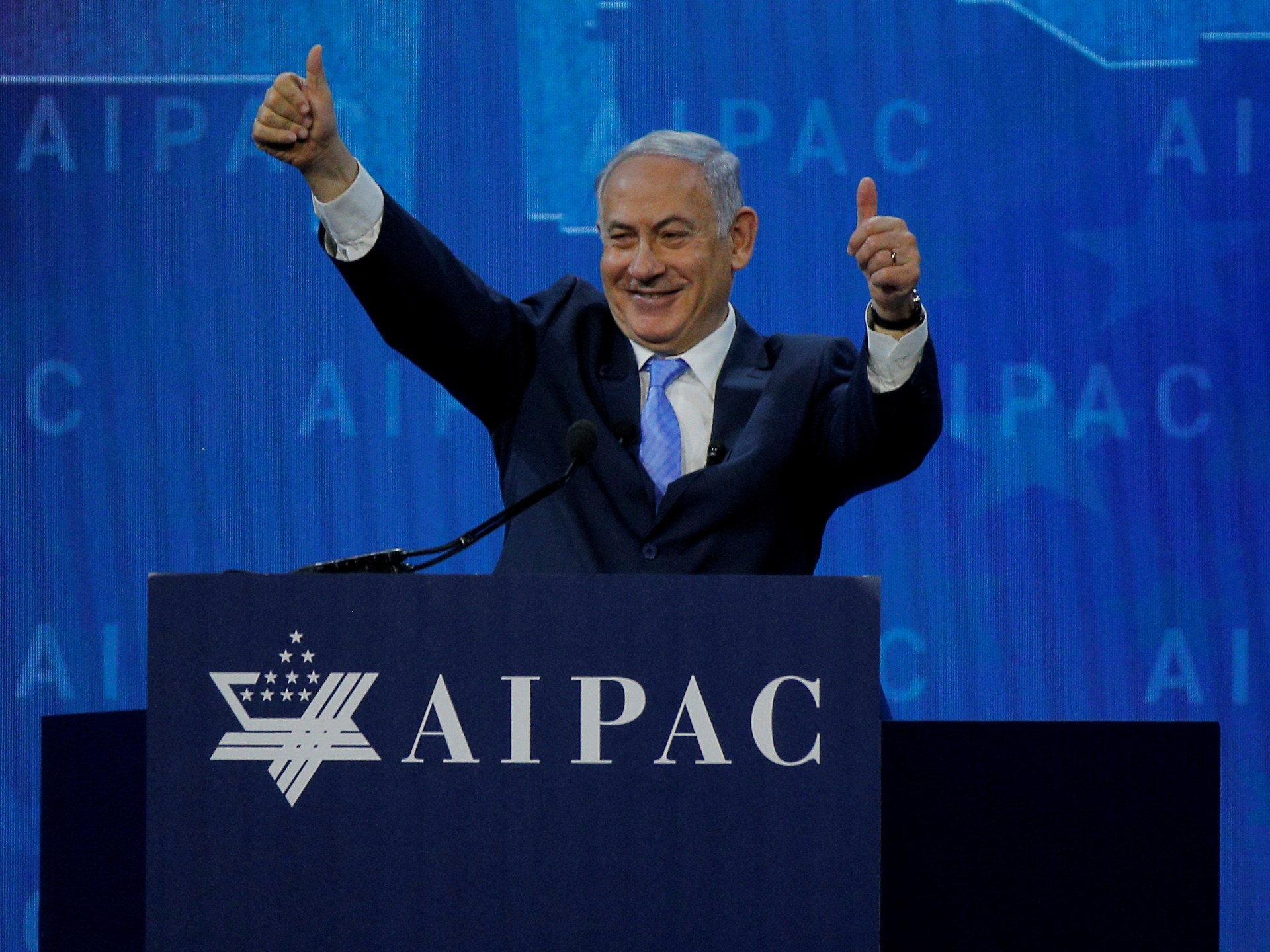
In a lengthy post on Truth Social on Monday, US President Donald Trump said talks with Iran were going “nicely”, but warned of more attacks if they failed. It “will only be a Great Deal for all, or no Deal at all”, he wrote.
The escalating tensions come days after Trump said a memorandum of understanding (MoU) was “largely negotiated” with Iran, offering hopes of an imminent deal to end the war that has roiled markets and sent oil prices soaring.
There has been no official reaction from Iran so far.
Iranian news agencies reported on Monday that Iran had downed a “hostile” stealth drone using a new air defence system, without saying where it had come from.
Iranian sources told Al Jazeera that the Islamic Revolutionary Guard Corps (IRGC) had targeted a vessel at sea before the latest US strikes.
Several IRGC personnel were killed in the attack, according to the sources.
Iran’s Foreign Ministry said on Monday that Washington and Tehran had made progress in their talks, but downplayed the prospect of an impending breakthrough.
“To say that we have reached a conclusion on a large portion of the issues under discussion would be correct. However, to say that this means an agreement is on the verge of being signed is not something anyone can claim,” said ministry spokesman Baghaei.
Addressing a news conference in Tehran, he also said the sides were not discussing Iran’s nuclear programme “at this stage”, with their focus being on ending the war.
What is happening on the diplomacy front?
The US and Iran agreed to a ceasefire on April 8, but a lasting peace has yet to take hold, with negotiations and de-escalation efforts still under way.
Pakistani Prime Minister Shehbaz Sharif has been on a four-day visit to China, during which he and army chief Field Marshal Asim Munir have held talks with President Xi Jinping and Premier Li Qiang.
After pushing China for weeks to take on a more active role in convincing Iran to open the Strait of Hormuz, the Trump administration said before the summit that it did not need Beijing’s help.
Earlier on Monday, a high-level Iranian delegation arrived in Qatar’s capital, Doha, to discuss roadblocks to a permanent peace deal.
Advertisement
The visit of the delegation, which reportedly includes Iranian Foreign Minister Abbas Araghchi and Parliament Speaker and main negotiator Mohammad Bagher Ghalibaf, came as Trump said peace talks were “proceeding nicely”, even as he insisted he would not agree to anything less than a substantial deal. Iran’s Central Bank Governor Abdolnaser Hemmati is also part of the delegation visiting Doha.
“It will only be a Great Deal for all or, no Deal at all — Back to the Battlefront and shooting, but bigger and stronger than ever before — And nobody wants that!” Trump wrote on Truth Social.
Trump also sought to tie the peace negotiations to a commitment by Saudi Arabia, Qatar and Pakistan to sign up to the Abraham Accords to normalise ties with Israel.
“It may be possible that one or two have a reason for not doing so, and that will be accepted, but most should be ready, willing, and able to make this Settlement with Iran a far more Historic Event than it would, otherwise, be,” Trump wrote.
Signed in 2020 during Trump’s first term, the Abraham Accords normalised relations between Israel and the United Arab Emirates, Bahrain, Morocco and Sudan. Arab countries have said they would establish diplomatic ties with Israel after the realisation of a sovereign Palestinian state as part of the so-called two-state solution.
What does this mean for peace talks?
Reporting from Washington, DC, Al Jazeera’s Alan Fisher said the strikes are likely to derail the ongoing negotiations to end the war, as Trump is eager to reach a deal.
“There have been a number of skirmishes like this, particularly just after the start of the ceasefire. At the time, Trump said he didn’t consider these to be a breach of the ceasefire,” Fisher said.
“There is very limited information coming from the US side; we don’t know the extent of the operation,” he said. “It’s hard to say whether this skirmish is unusual.”
Related News
Palestine weekly wrap: Jerusalem Day, Nakba mark week of surging attacks

Czech police detain Russian priest over ‘white substance’ find
Iran war live: Trump travels to China as conflict with Tehran looms large