UN warns Ebola could cost Africa $3.6bn and jobs
 30 June 2026
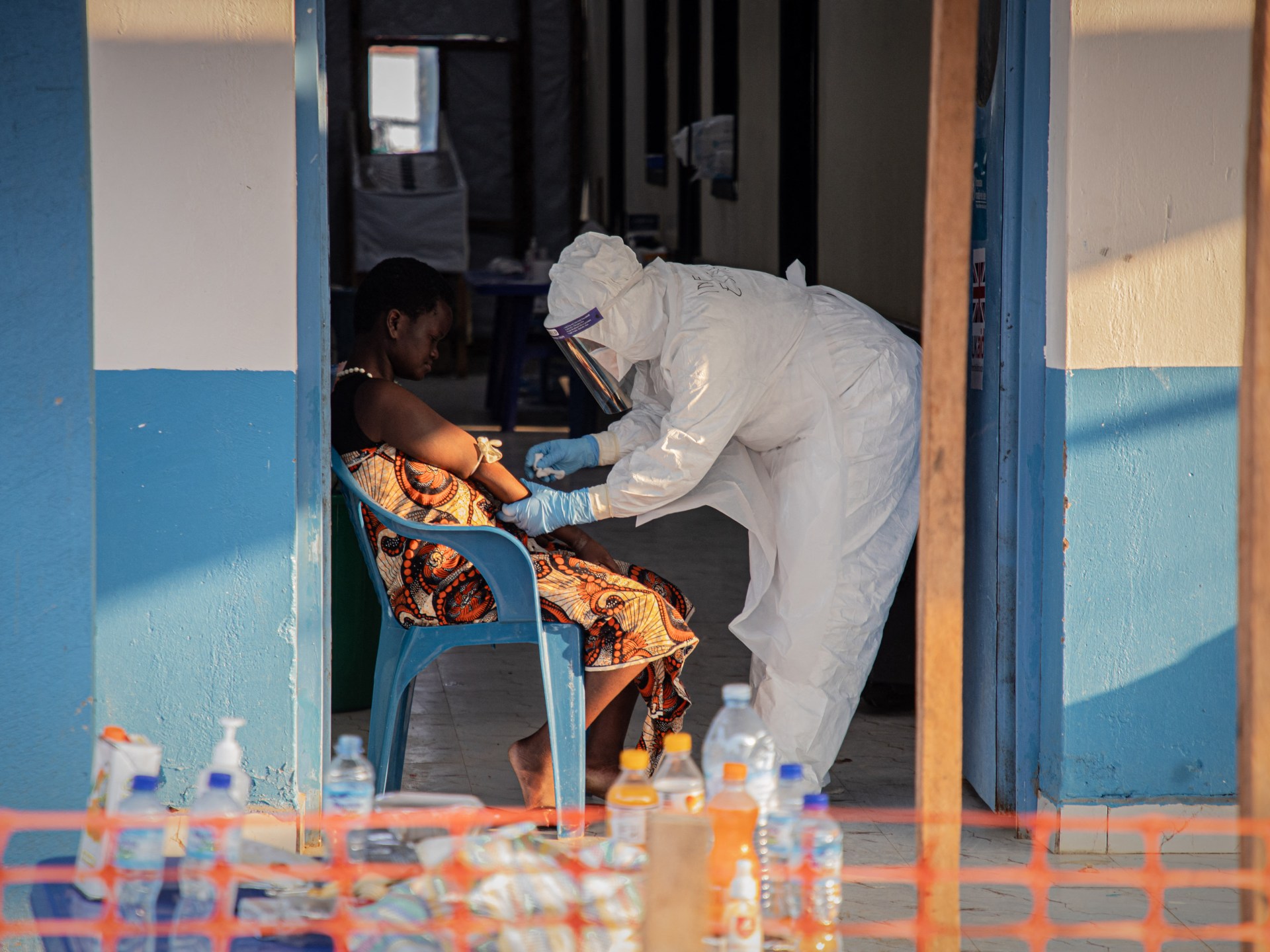

The United Nations has said that an Ebola outbreak could cost Africa up to $3.6bn and hundreds of thousands of jobs, potentially causing a development crisis.
The outbreak of the Bundibugyo strain of Ebola, for which there is no tested vaccine or treatment, has infected 1,307 people and killed 377 in the Democratic Republic of the Congo (DRC) since being declared on May 15, the government says.
- list 1 of 3Kenyan Health Minister orders halt of construction of US Ebola facility
- list 2 of 3France confirms first Ebola case in doctor returning from DR Congo
- list 3 of 3Trump White House requests $87.6bn in spending, including for Iran war
end of list
A much smaller number of cases have been reported in Uganda, and experts warn of the possibility of it spreading to other neighbours, such as South Sudan.
“If we have the resources and we step up, we can contain this outbreak and prevent further losses,” said Damien Mama, United Nations Development Programme (UNDP) resident representative in the DRC.
“If we do not, this health emergency risks becoming a much deeper and prolonged development crisis across the region, and potentially the continent.”
The UNDP outlined three scenarios for the outbreak. In the best scenario, where the epidemic remains contained in the two countries, the cost is $1bn for the DRC’s gross domestic product (GDP), the report said.

In the worst-case scenario, the disease spreads to other countries, including Rwanda and Angola, and coincides with higher fuel costs linked to the Iran crisis, cutting continental GDP by $3.6bn and resulting in 328,000 job losses, the report added.
The conflict-hit province of Ituri is the epicentre of the country’s latest Ebola outbreak – its 17th – which started in May. In many cases, the virus has spread at funerals, where the highly infectious bodies of Ebola victims are handled.
Advertisement
For weeks, aid workers, facing mistrust among local communities, have struggled to plan safe burials in affected areas to prevent contact with the dead. In the DRC, funerals often last several days, during which family members and friends touch the body of the deceased.
Last week, the government issued a ban on public gatherings in four provinces, including the country’s capital, Kinshasa, as it continues to battle the spread of the outbreak.
That order was issued before a planned protest in Kinshasa on July 8 against constitutional reform, and opposition figures have called the ban “politically motivated”.
Related News
US immigration agents arrested more than 49,500 people in July
After Strait of Hormuz and Red Sea, has Iran war now reached Caspian Sea?
Iraqi Kurdish PM Barzani’s office targeted in drone attack