LETTER: Are Caribbean Schools Enforcing Slavery-Era Hair Standards?
 25 April 2026
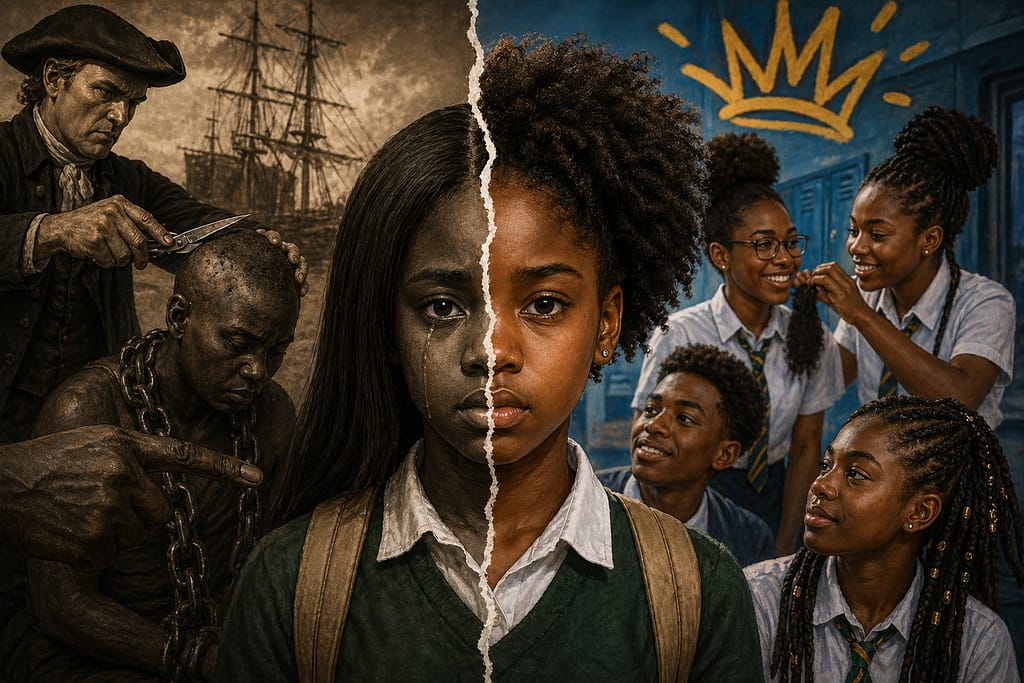

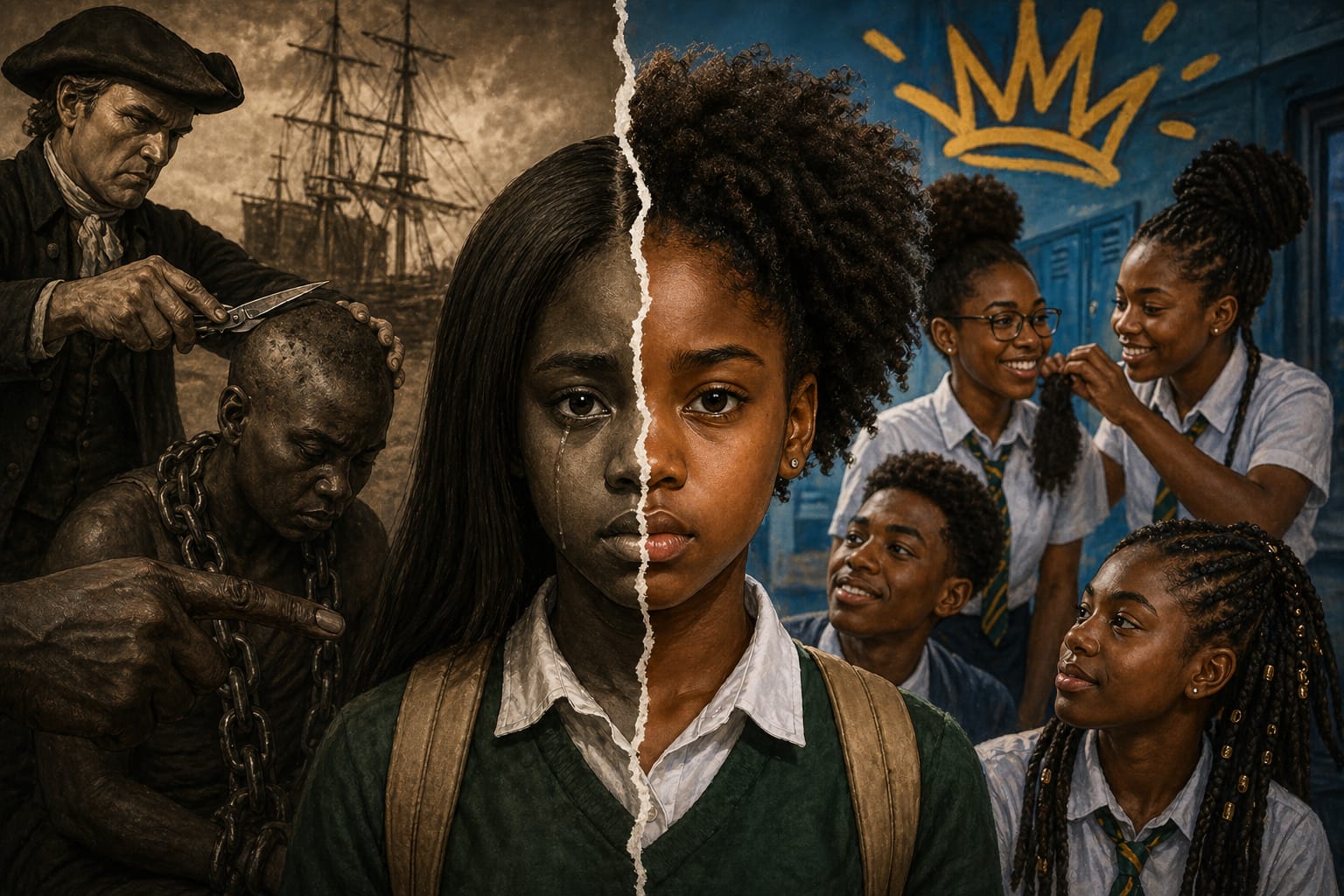


The stigma surrounding children’s hair within the Caribbean is rooted in slavery and

colonial rules. Young people in schools, communities and at home are often hit with
crucial and dehumanizing complaints about their hair, including its texture, volume, and
natural styles. This stigma continues to persist today through school policies, societal

double standards, and internalised self-perception, all of which pressure young people to
reject their natural hair instead of embracing it.

Firstly, The practice of cutting or shaving off the hair of enslaved people was a deliberate
tool of dehumanization used during the transatlantic slave trade and throughout the era of

chattel slavery. African hair used to be a profound symbol of tribal identity, social status
and spirituality. However during slavery, the Europeans often classified Afro-textured
hair as closer to animal “wool” or “fur” than human hair. As a result, they would shave
the slaves’ hair off as a marker of a lack of freedom, punishment and humiliation. Slave
owners often demanded that slaves’ hair be shaved to deprive them of their identity and
individuality. This European method of control has persisted into modern times. Children
are often told to cut off their hair in order to keep it “tidy” and “neat”
. Sometimes
students are denied access to classes and education because of this slavery influenced
rule.
Furthermore, the idea that a black person’s hair must be short in order to look “tidy” is
ideological control persisting into modern times. Why is it that when a black person
grows out their hair, they’re often hit with insults calling their hair “untidy” or “nasty”
but whenever a white person grows out their hair it is praised with compliments like
“nice, long hair” or “healthy”? This double standard exposes the deep-rooted bias in how
beauty and professionalism are defined, where Eurocentric features are normalized and
celebrated while natural black hair is unfairly criticized and policed. These attitudes are
not harmless; they shape how young people see themselves and how they believe they
must present themselves to be accepted. In many cases, students are pressured to cut,
straighten, or alter their hair to fit rules that were never designed with them in mind.
Finally, many black individuals have, at some point, experienced dissatisfaction or
struggle with accepting their natural hair due to societal pressure and negative
stereotypes. Because of this long-standing influence shouldn’t black individuals
recognise and celebrate the fact that younger generations are now embracing and
accepting their natural hair with pride. Instead, we continue to conform to the stigma
surrounding our own hair, thereby perpetuating the same ideological control that
originated during slavery.In conclusion, the stigma around Black hair must be challenged, not continued. Society,
schools, and communities need to do better and respect natural hair without bias or
disc
Advertise with the mоѕt vіѕіtеd nеwѕ ѕіtе іn Antigua!
We offer fully customizable and flexible digital marketing packages.
Contact us at [email protected]

Related News
Governor General Hosts Reception for Candidates Selected for The King’s Foundation UK Bu...

Antigua Sailing Week announces new bank partnership

VIDEO: Driver Loses Consciousness, Crashes Into Airport Fence on Airport Road