COMMENTARY: The Quiet Decisions That Shape Our Lives —-For Better or for Worse
 29 April 2026
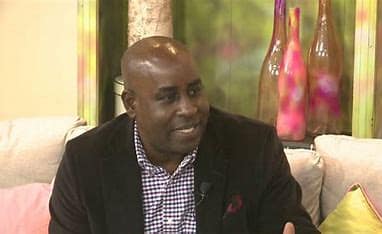

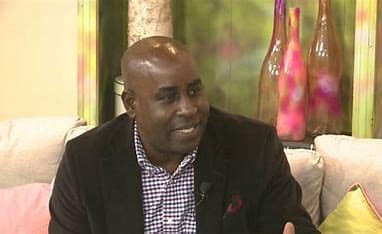



By Garfield Joseph, MBA

Where Most Financial Stories Begin
Most people remember the first job they ever had — the first real pay cheque and the pride that came with earning your own money. At that stage of life, very few of us were thinking about retirement, long‑term wealth, or the future version of ourselves. We were focused on surviving, supporting family, and enjoying life as best we could. That is natural. It is also where many people go wrong.

When the Future Arrives Unannounced

Life moves forward one day at a time, but financial consequences do not appear all at once. They accumulate slowly, almost unnoticed — and then one day, they arrive in full view. The future does not announce itself. It simply arrives.
The Monthly Choices We Rarely Notice

Every single month, whether we realise it or not, we make decisions about money. When we spend everything we earn, we choose one path. When we save only what is left over, we choose another. And when we fail to invest, we make one of the most expensive decisions of all — not out of carelessness, but because we are busy, tired, and focused on today.
Why Investing Feels Easy to Postpone

Many people assume investing is something only wealthy people do, or that it requires advanced financial knowledge, or that it is a concern best left for “later.” But later has a habit of arriving sooner than expected, often before we feel ready for it.
What Investing Actually Means
It is worth clearing up a major misunderstanding. Investing is not gambling. It is not day‑trading. And it is not about getting rich overnight. At its simplest, investing means setting aside money today so it can grow steadily and help support you tomorrow. Saving protects money. Investing allows it to grow. Over long periods of time, the difference is not income — it is decision-making over time.
A Tale of Two Financial Paths
This story plays out far too often. Two people earn roughly the same income. They work hard, pay their bills, and love their families. One begins investing modest amounts early in life and does so consistently. The other keeps postponing the decision, waiting for the “right time.” Thirty years later, one lives with choice — flexibility, stability, and peace of mind. The other lives with anxiety, uncertain how long income will last or whether support will be needed.
Why Delay Comes at a High Price
People rarely delay investing because they do not care. More often, it is because the topic feels intimidating, money already feels tight, the future seems far away, or fear of making mistakes leads to paralysis. Yet the uncomfortable truth remains: money grows best when it is given time, and time lost cannot be replaced.
How Compounding Quietly Does the Heavy Lifting
One of the most powerful ideas in personal finance is compounding — money earning returns and then earning returns on those returns. It sounds technical, but it is quite simple. Time multiplies effort. Consistency beats intensity. Patience outperforms panic. Growth may feel slow in the early years, but compounding builds momentum quietly for those who stay the course.
Investing as an Act of Responsibility
At its core, investing is not about markets — it is about responsibility. Most of us spend our lives taking care of others: children, parents, employers, and communities. Investing is about taking care of the future version of yourself — the person who will one day need security, dignity, and peace of mind.
Getting Started Without Overcomplicating Things
Fortunately, investing does not require a high income or complex strategies. It requires a plan. Starting small — even EC$50 or EC$100 per month — matters. Investing consistently, thinking long‑term, ignoring short‑term noise, and using pension plans, credit unions, banks, or professional advice all make a difference. As income improves, contributions can increase. The goal is not perfection. It is progress.
What Changes When Money Is Managed Intentionally
When people begin managing money differently, tangible changes occur. Stress begins to ease. Confidence grows. Choices expand. Dependence decreases. The future feels less frightening. This is not about luxury. It is about resilience, independence, and peace of mind.
The Long‑Term Truth
The most important financial decisions are rarely dramatic. They are quiet, repeated, and easy to ignore. Yet over time, they shape how we live, how we age, and how much control we have over our lives. Investing for the long haul is not about predicting markets. It is about believing that the future matters enough to prepare for it.
And that may be one of the wisest decisions any of us can ever make.
About the Author: Garfield Joseph is the Executive Director of a public sector organization in Antigua and Barbuda, where he serves as the senior operational leader responsible for translating policy, strategy, and national objectives into day‑to‑day action. His work spans strategic execution, financial oversight, stakeholder engagement, and advising senior decision‑makers on economic and development matters. He has also taught as an Adjunct Lecturer at the University of the West Indies Five Islands Campus, delivering capstone courses in Business Strategy and Policy and Business, Government and Society. With experience across both the public and private sectors, he writes frequently on investment, entrepreneurship, and long‑term decision‑making, with a focus on helping ordinary people understand complex issues in p
Advertise with the mоѕt vіѕіtеd nеwѕ ѕіtе іn Antigua!
We offer fully customizable and flexible digital marketing packages.
Contact us at [email protected]

Related News
ABLP Applauds Government’s Advancement of UWI Five Islands Campus Expansion Project

Antigua Sailing Week announces new bank partnership

Dominica draw with Antigua and Barbuda in Concacaf Women Qualifiers