Gaza war’s 1,000 days: 90% of strip ‘destroyed’, 80% ‘seized’ by Israel
 02 July 2026
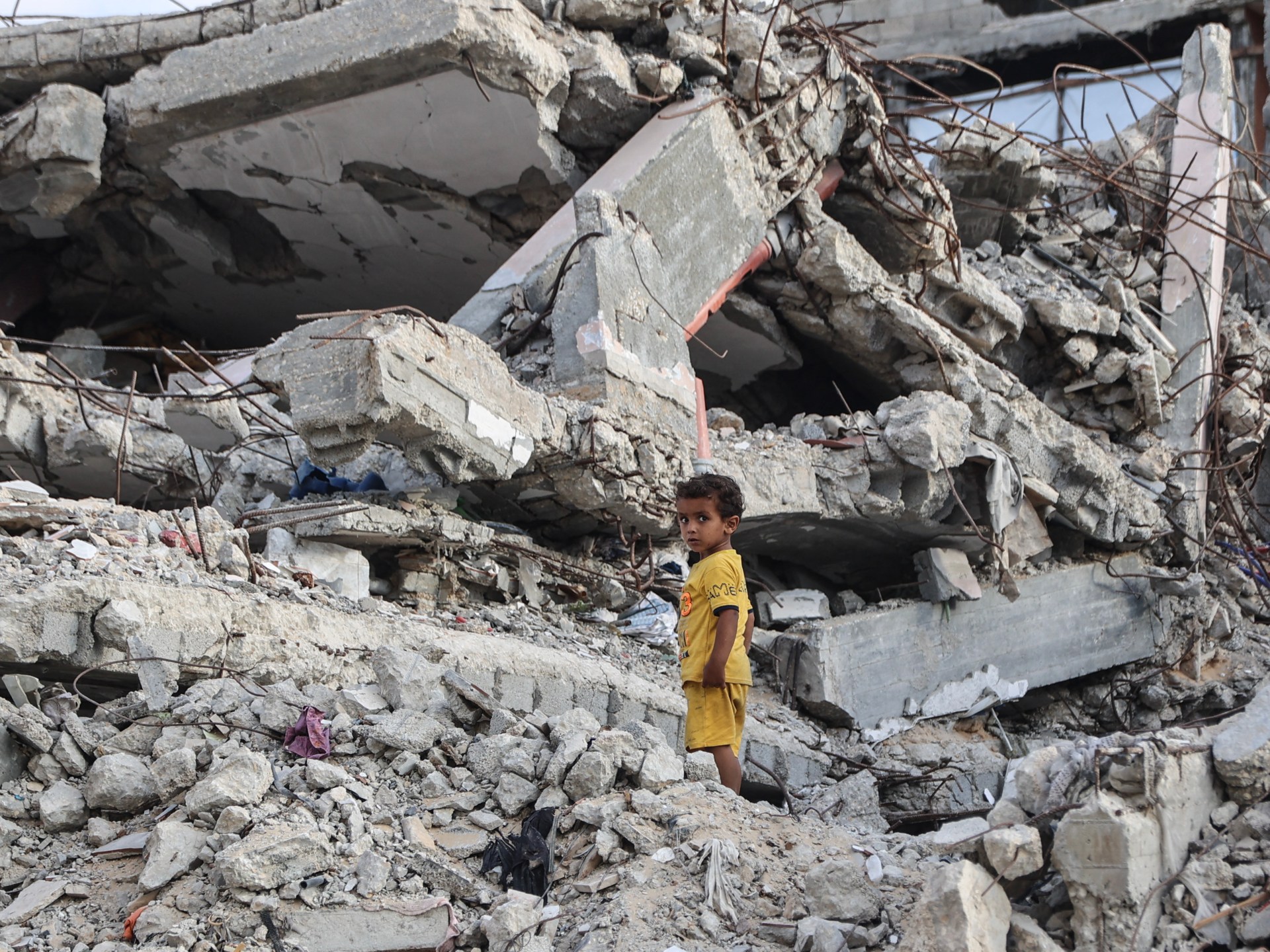

More than 90 percent of the Gaza Strip has been destroyed, and Israeli forces are in control of 80 percent of the besieged territory, authorities in the enclave say, as the world marks 1,000 days since Israel’s genocidal war on Gaza began.
Tallying up the extent of the damage since Israel launched its war on October 7, 2023, Gaza’s Government Media Office said in a statement on Thursday that at least 73,066 Palestinians have been killed in the enclave.
- list 1 of 3Secretive Gaza meetings in Cyprus as plan to isolate Hamas gathers pace
- list 2 of 3Israel kills three Palestinians in Gaza despite ‘ceasefire’
- list 3 of 3Billions flow between EU institutions and Israel, despite Gaza genocide
end of list
More than 21,500 of those killed in Gaza were children, including 1,022 babies, it added. A further 9,500 people are missing, many believed to be buried under rubble, while 173,514 have been wounded.
It added that about 223,000 tonnes of explosives have been dropped by Israel on Gaza during the war – 16 times more than what the United States dropped on Hiroshima, Japan, in 1945 with the atomic bomb.
With most of Gaza in ruins, the “ceasefire” framework meant to end the conflict is also faltering six months after its centrepiece body was established.
The US-created Board of Peace, established in January to oversee the “ceasefire” and steer reconstruction under a three-phase plan endorsed by the United Nations Security Council, has failed to secure Israeli compliance, analysts said. Instead of a gradual withdrawal that the plan envisions, Israel has expanded its control of Gaza, and only a third of the aid trucks it committed to allow into the enclave daily are entering.
Israeli forces have also killed more than 1,000 Palestinians since the October truce took effect last year.
Advertisement
“There are no shared policies or even a shared vision,” analyst Iyad Jouda told Al Jazeera, adding that the board “has deviated from its main purpose”, which is “unifying the Gaza Strip and the West Bank”. The board is also out of money as billions of dollars in pledges have yet to arrive.
Gaza’s entire population is at extreme risk of famine with nearly 400,000 people surviving on one meal a day and 62 percent of primary healthcare medications out of stock. The UN said human development in Gaza has been set back 77 years with life expectancy falling to 40.
The scale of destruction has left an estimated 68 million tonnes of rubble. Only about 310,000 tonnes, less than 0.5 percent, has been cleared, according to the UN, a pace that would take more than 140 years to finish.
“We lost about 85 to 90 percent of our resources, our buildings and our infrastructure,” Gaza City Mayor Yahya al-Sarraj told Al Jazeera “We feel in many cases paralysed.”
He said municipalities had drawn up a comprehensive reconstruction blueprint, the “Phoenix Plan”, and that once borders open, “people here will not wait and will start building their homes by themselves.”
Negotiations over the next phase remain deadlocked, chiefly over Israel’s demand that Hamas disarm before reconstruction proceeds.
“End the occupation first, and then weapons can be discussed,” Nasser Faram, a former detainee, told Al Jazeera while another Gaza resident, Hassan Sharaf, said weapons “should be under the authority of a legitimate governing body”.
Israeli Finance Minister Bezalel Smotrich said at the end of a meeting held on Monday evening with Alon Davidi, the mayor of the southern city of Sderot: “We need to complete the conquest of the remaining area, defeat Hamas and establish a belt of Jewish settlements that will serve as a security buffer for Sderot and the Gaza border communities.”
“Where there is no settlement, there is no security. We are not going back to the reality of before October 7” two years and nine months ago.
In Israel on Thursday, commemorations marked 1,000 days since the Hamas-led October 7, 2023, attacks on southern Israel.
Protests and marches were held across the country organised by the October Council, a group of bereaved families and former captives. They displayed a banner reading “1,000 days of abandonment, neglect, cover-up and failure” and accused the Israeli government of blocking an independent inquiry into its security failures. Protesters also tried to disrupt access to the Knesset.
Advertisement
Five thousand Israelis have moved to southern areas near Gaza since October 7, 2023, The Times of Israel reported.
At least 62,000 people lived there before the start of the war. About 90 percent of residents have returned, and Israel’s government aims to have 124,000 people living there by 2030.
Related News
WHO warns DR Congo Ebola outbreak may be double the official tally

US slams Chinese ‘nature reserve’ as effort to claim South China Sea
Suicide bomber kills 14 outside police station in Pakistan’s Swat