Iranian drone hits Kuwait’s main airport after US strikes Qeshm Island
 03 June 2026
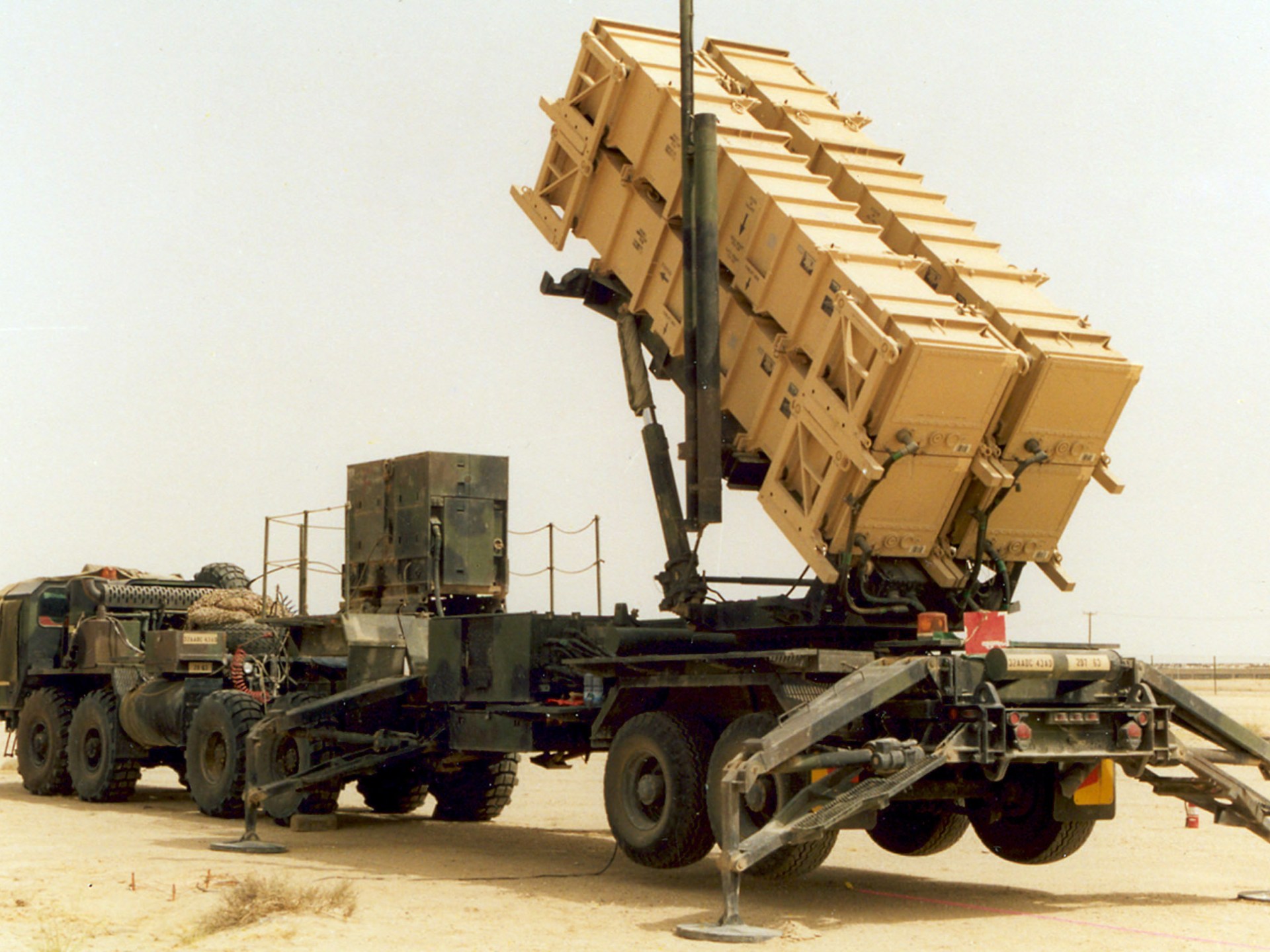

Clashes in the Gulf region have escalated, with diplomacy showing little progress, as Bahrain and Kuwait report attacks by Iran, while the US military announces “self-defence” strikes on Iran’s Qeshm Island.
According to Kuwait’s state news agency KUNA, the country’s international airport was hit by drones and missiles on Wednesday morning, causing injuries, severe damage to a number of airport facilities and flight suspensions and diversions.
- list 1 of 4Lebanon hopes crunch talks in Washington will halt an Israeli invasion
- list 2 of 4Iran war day 96: US, Iran trade new strikes across the Gulf
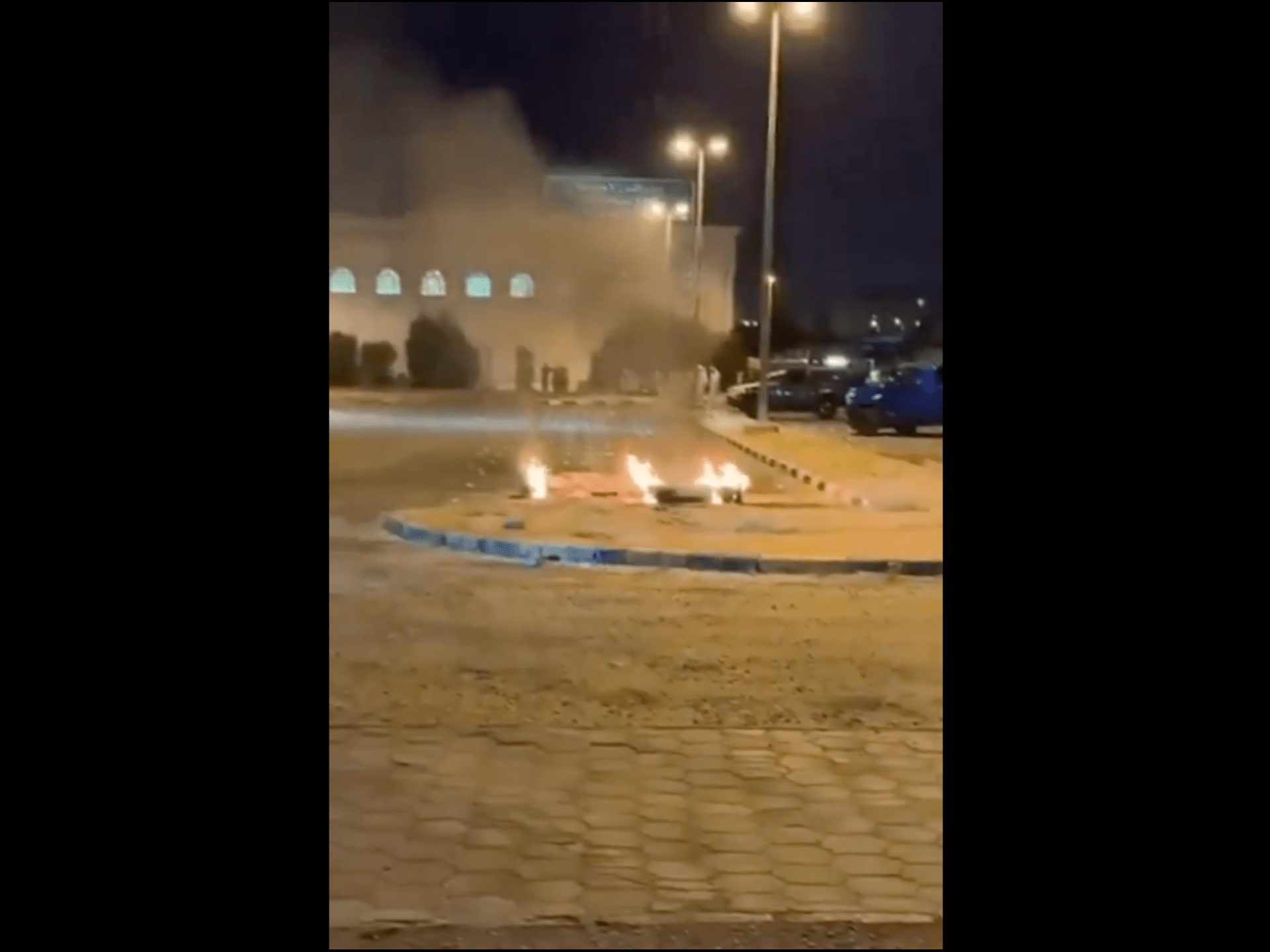
- list 3 of 4US says it attacked Iran’s Qeshm Island; Tehran targets Kuwait, Bahrain
- list 4 of 4US says Iran’s new supreme leader alive and ‘increasingly engaging’
end of list
The attack on the airport’s T1 building forced flight diversions to alternative locations, the report said, citing the General Civil Aviation Authority.
On Tuesday, the US military’s Central Command (CENTCOM) said it “successfully defeated” a series of Iranian missile and drone attacks in the Gulf.
It denied claims by Iran’s Islamic Revolutionary Guard Corps (IRGC) that it struck the headquarters of the US Navy’s Fifth Fleet in Bahrain and an airbase in the region.
“Iran launched several ballistic missiles towards regional neighbours; however, all failed to hit their intended targets,” CENTCOM said in a statement on Tuesday, before Kuwait reported the attack on Wednesday.
“Two Iranian missiles fired at Kuwait fell short or broke apart en route, and three missiles launched at Bahrain were immediately intercepted by US and Bahrain air defence forces.”
Later, CENTCOM said an “additional wave of Iranian drones attempting to attack US forces in Kuwait failed to impact intended targets”, with several drones shot down.
The US military also shot down three attack drones that had been launched by Iran “towards civilian mariners that were rightfully transiting regional waters”, CENTCOM said.
US rejects claims
CENTCOM said its strikes in response targeted an “Iranian military ground control station” on Qeshm Island, adding that no US personnel were injured.
Advertisement
Since the conflict began in late February, Iran has repeatedly attacked targets in the Gulf region where US military bases are located.
In a statement carried by the official IRNA news agency, the IRGC claimed it had struck the US military installations in response to the strike on Qeshm Island.
“FALSE,” CENTCOM said in a post on X. “All Iranian attacks on American forces failed.”
Al Jazeera’s Kimberly Halkett, reporting from Washington, DC, said the US administration’s stance is that the ceasefire is still ongoing.
“We know that US President Donald Trump, in a Truth Social post on Tuesday, is pushing back against media reports suggesting that talks with Iran are no longer ongoing,” she said.
“In fact, the US president is saying just the opposite: that they have been continuous, despite earlier in the week, the Iranians suggesting that those talks had been halted,” she added.
“The US president is saying that the talks have continued, and reports to the contrary are simply fake news.”
Meanwhile, Iranian media reported that Tehran has not communicated with Washington for several days.
Al Jazeera’s Almigdad Alruhaid, reporting from Tehran, said the latest tensions and clashes in the Gulf have been framed in Iran as a response to what they call “the US aggression” on an Iranian oil tanker and IRGC communication facilities on Qeshm Island.
“The spokesman for parliament’s National Security Committee said the United States understands the language of missiles better than the language of diplomacy,” he said.
“It is unclear whether all the escalation between the sides will halt the talks completely, or whether there is a pause in the exchange of messages between the sides.”
Qeshm Island is located in the strategic Strait of Hormuz, the key shipping channel for oil and gas produced in the Gulf region, which has been effectively closed by Tehran since the start of the US-Israel war on Iran in late February.
Shaky truce
The latest flare-up comes more than three months after the initial US and Israeli strikes on Iran, with the conflict mired in a deadlock under a shaky ceasefire, and the Strait of Hormuz largely closed to maritime traffic.
A ceasefire has supposedly been in place between the US and Iran since April 8, but subsequent talks to try to agree on a permanent end to the conflict have so far been unsuccessful.
Iran and the US said last week that they had reached a tentative initial agreement to halt the war. But the two sides have yet to sign off on the deal.
Earlier, US forces fired a missile at a ship that was attempting to sail towards an Iranian port in violation of their blockade, disabling the vessel.
Advertisement
Washington has now forcibly halted six ships it said were attempting to violate the blockade, which has been in place since April 13.
Tehran said on Monday that Israel’s expanding campaign in Lebanon risked ending the US-Iran ceasefire.
Israeli attacks on southern Lebanon on Tuesday killed five people, including a child, and wounded 48, the Lebanese Ministry of Public Health said.
Those wounded in the attacks across the south included “a doctor and five employees of Tebnine Governmental Hospital, which sustained damage in yet another episode of the series of attacks carried out by the Israeli enemy against hospitals and health centres”, the ministry said in a statement.
A dramatic escalation in violence in Lebanon has seen Israeli troops stage their deepest incursion into the country in more than 20 years, conducting waves of heavy bombardments and threatening to attack the Beirut suburbs as the situation threatened to scupper a ceasefire in the wider US-Israel war on Iran.
Related News
US says it attacked Iran’s Qeshm Island; Tehran targets Kuwait, Bahrain
Sierra Leone receives first group of West African deportees from US
Iran says it has a new air defence system. How significant is it?