LISTEN: Unsworn MPs May Not Be Entitled to Salary
 01 June 2026
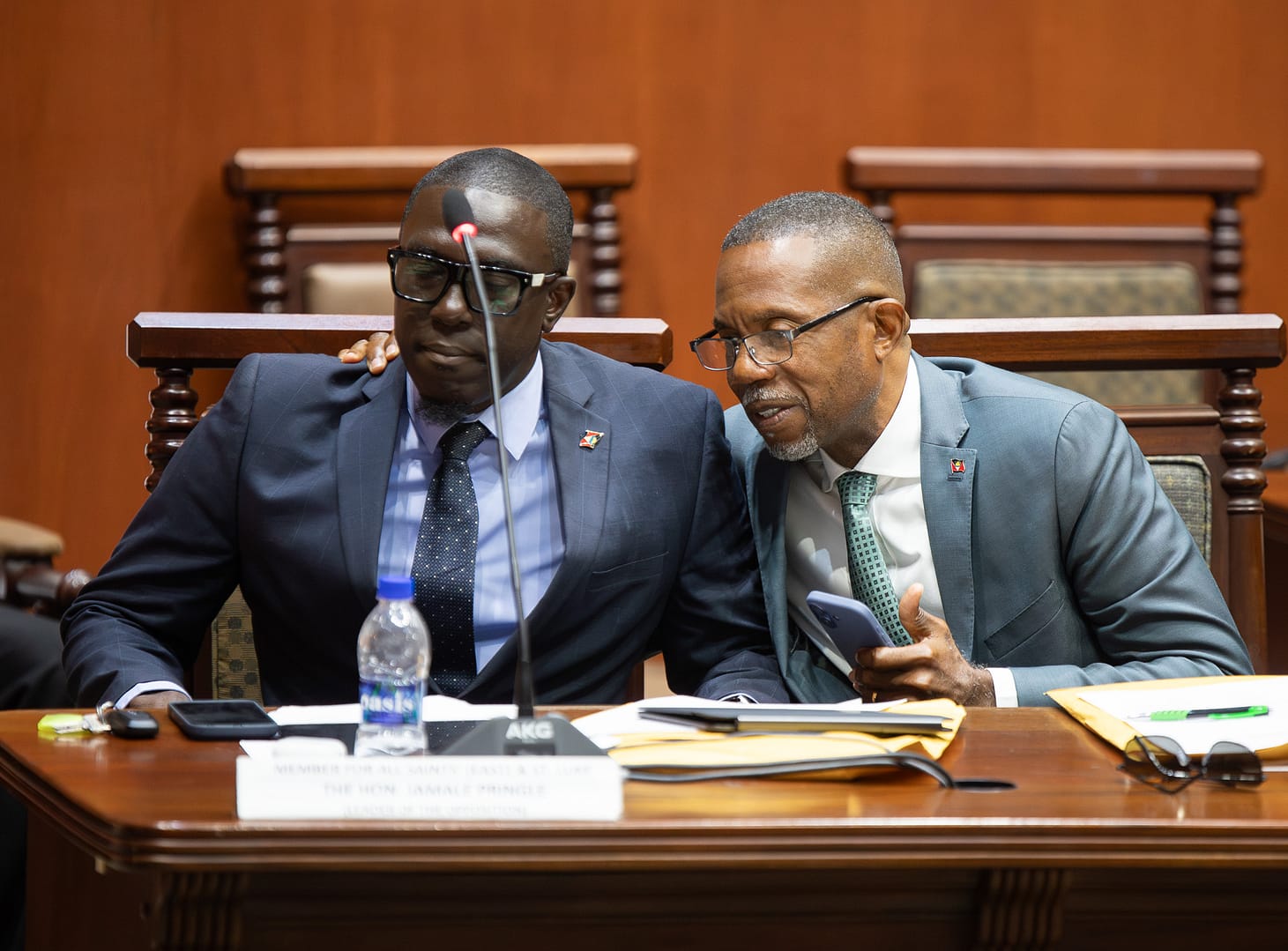

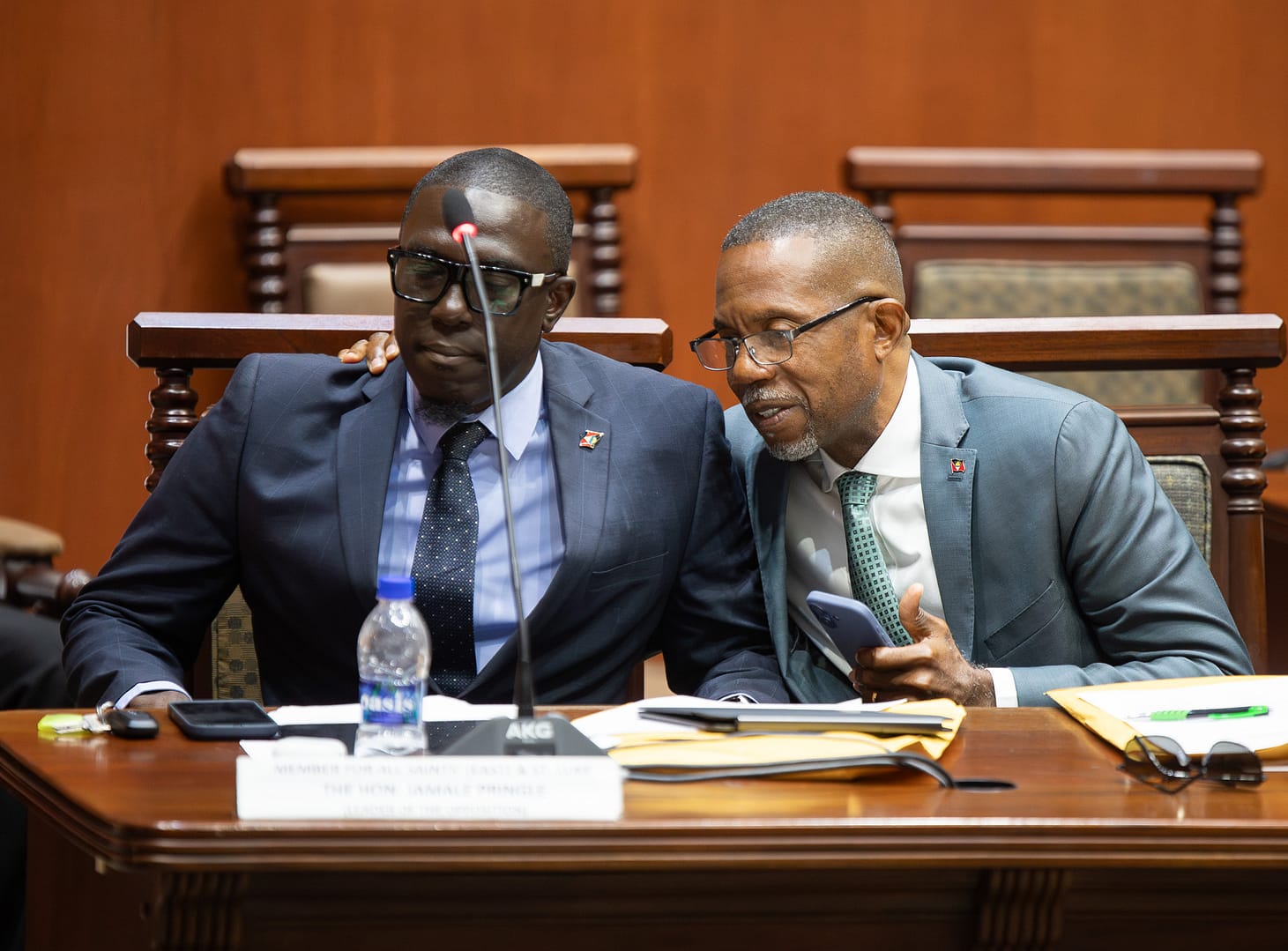



PM Browne Says He Would Not Oppose Salary Payment Despite Legal Position

Prime Minister Gaston Browne says elected members of Parliament who have not taken the oath of allegiance may not be entitled to receive a salary, citing parliamentary rules and a Privy Council precedent during a discussion about the recent controversy involving Opposition Leader Jamale Pringle.
Speaking on the Browne and Browne radio programme on Saturday, Browne referenced commentary from another English-speaking Caribbean jurisdiction which cited a Privy Council ruling on the issue.

The discussion arose as Browne defended the decision to prevent Pringle from participating in last week’s joint sitting of Parliament because he had not yet taken the oath of allegiance required under the Constitution.

“So hear this now. This is another aspect. And I’m not suggesting. In fact, as far as I’m concerned, you should be paid,” Browne said. “But technically speaking, he should not. He should not be paid for me. Because he has not been sworn in as yet. So his pay has not accrued or will not accrue until such time as he takes the oath.”
Browne was responding to a reference made during the programme to a Privy Council ruling arising from a case in Trinidad and Tobago.

According to the host, the ruling held that, except for extenuating circumstances, an elected member is not entitled to remuneration before taking the oath of allegiance.
While arguing that the legal position appeared clear, Browne said he was not advocating that Pringle be denied his salary.

“But again, we’re not being petty. And if they pay him a month’s salary, we will not object to it,” Browne said.
The prime minister added that the precedent cited during the discussion suggested that members who fail to take the oath cannot accrue pay during the period before they are formally sworn in.
“It has been held. That if a member fails to take the oath, now that period during which the oath is not taken, that that member of parliament should not be paid,” Browne said.
The remarks formed part of a wider discussion on constitutional provisions governing participation in parliamentary proceedings.
Browne maintained that Pringle could not legally participate in the joint sitting because Section 48(1) of the Constitution states that a member may not take part in proceedings until taking and subscribing the oath of allegiance before the House.
Pringle was absent from the first sitting of Parliament following the April general election and has not yet taken the oath. Government officials have argued that he must wait until the next ordinary sitting of Parliament to be sworn in.
Advertise with the mоѕt vіѕіtеd nеwѕ ѕіtе іn Antigua!
We offer fully customizable and flexible digital marketing packages.
Contact us at [email protected]

Related News
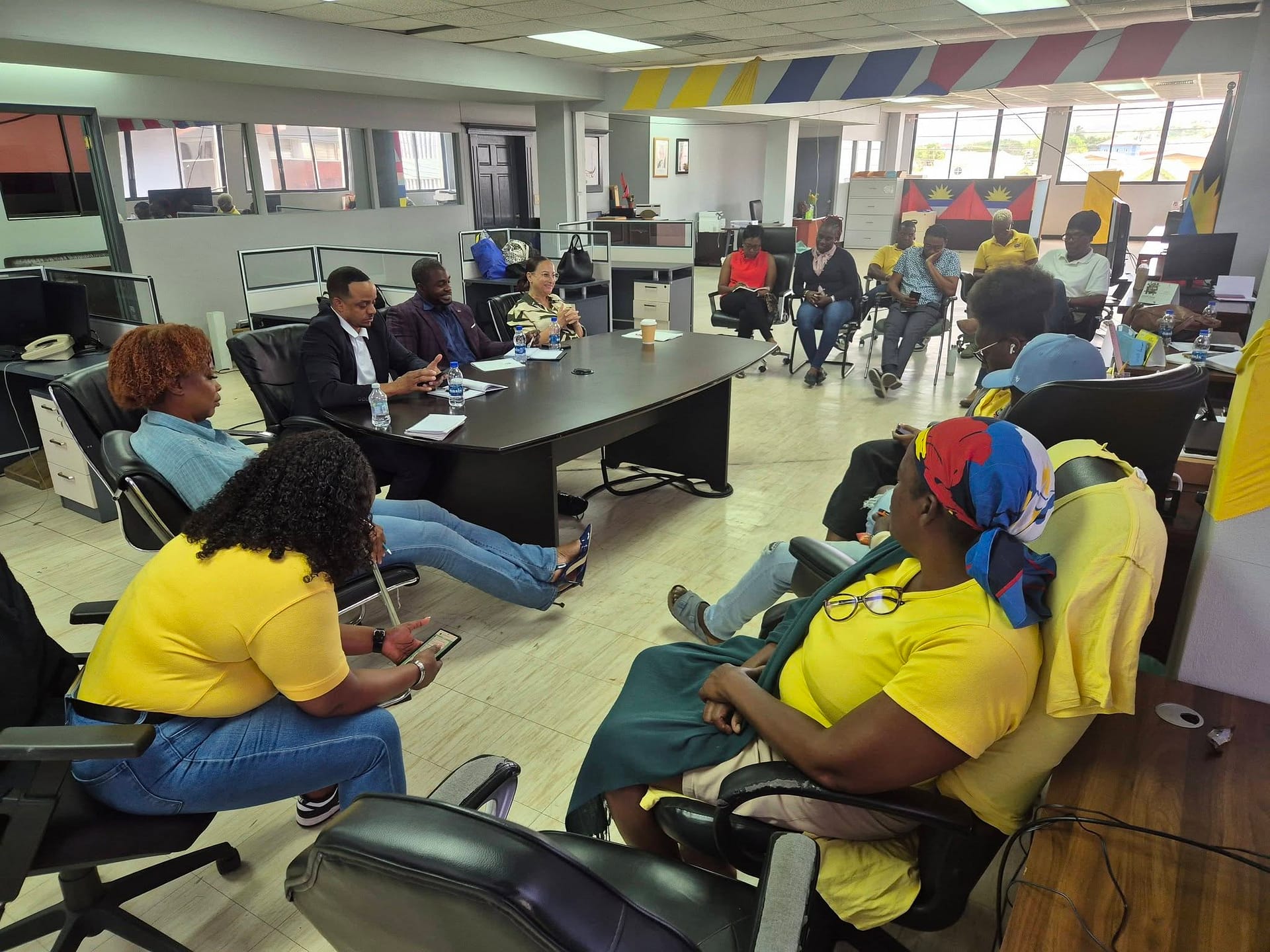
Creative Industries Minister Dwayne George Meets Festival Officials as Carnival 2026 Plann...

Single-Lane Traffic to Continue on Sir Sydney Walling Highway Near Pares Village
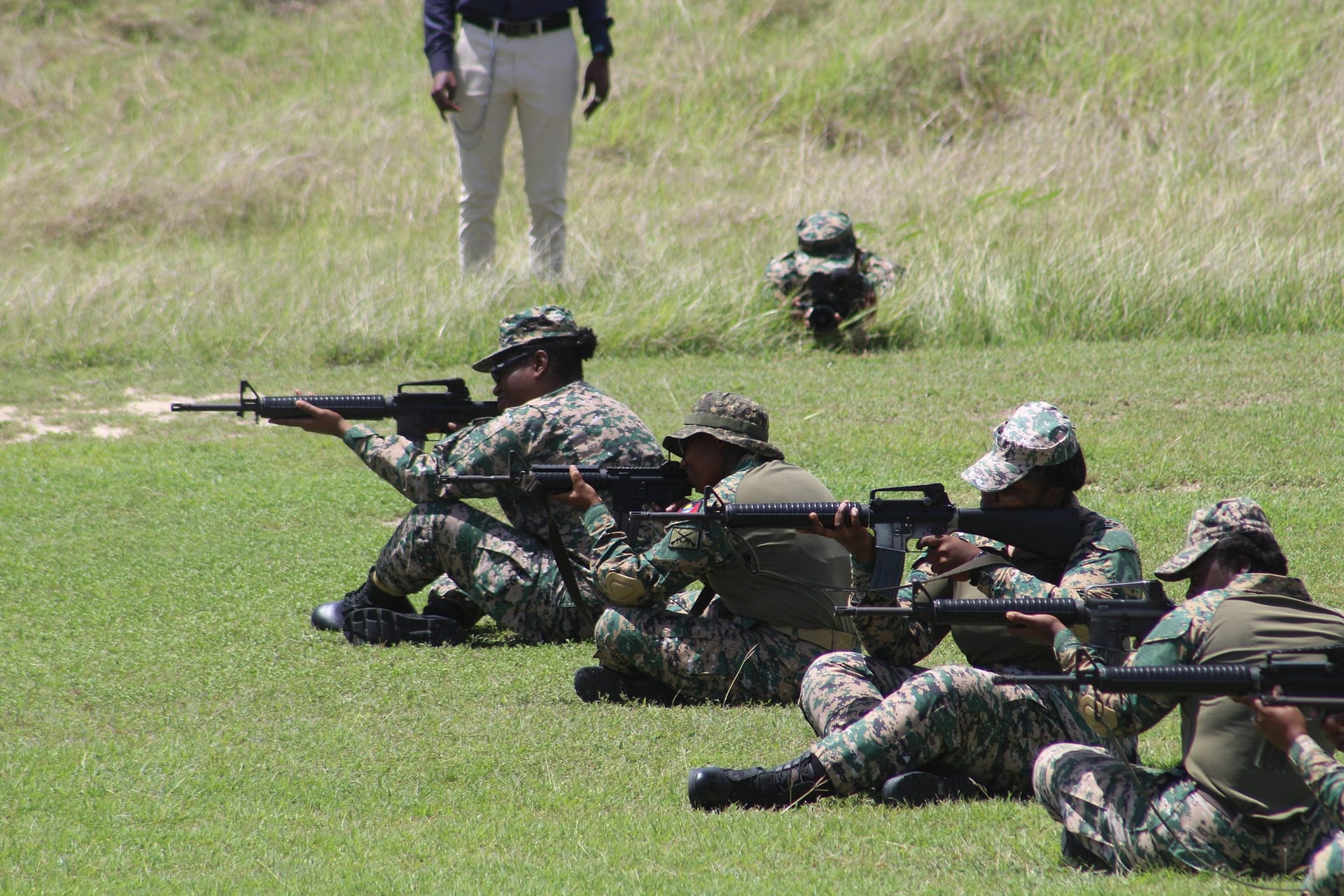
ABDF Announces Live Fire Training Exercise at Crabbs Training Area