What are the implications of Israel’s elections?
 28 October 2026
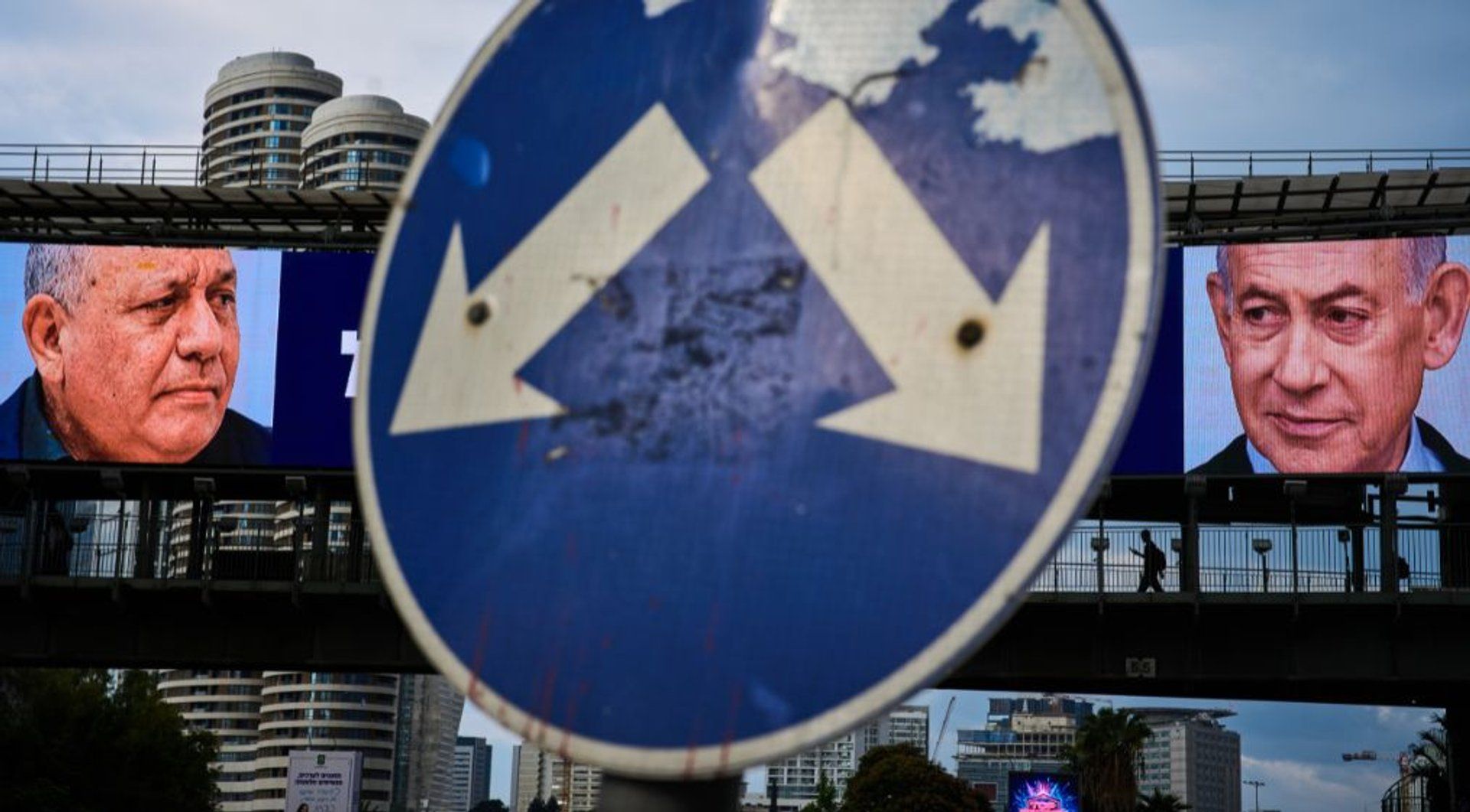

Israeli Prime Minister Benjamin Netanyahu’s alliance, made up of right and far-right parties, is short of a majority after the most consequential elections in decades.
Tuesday’s poll saw a record turnout. And the main opposition bloc, led by former military chief Gadi Eisenkot, also does not have the numbers to form a government on its own.
- list 1 of 3Israel’s election: The battle between change and anti-Palestinian sentiment
- list 2 of 3Espionage threats blur lines between security and dissent in Iran
- list 3 of 3Why Arab parties may not be the ‘kingmakers’ in this Israeli election
end of list
Meanwhile, parties representing the Palestinian citizens of Israel have made unprecedented electoral gains.
While Netanyahu has refused to work with Arab-led lists, could the opposition alliance reach a deal with them?
Or is cooperation a bridge too far while the Israeli military’s assaults on Gaza and the occupied West Bank continue?
Presenter: Sami Zeidan
Guests:
Mairav Zonszein – senior Israel analyst, International Crisis Group
Mustafa Barghouti – secretary-general, Palestinian National Initiative
Phyllis Bennis – fellow, Institute for Policy Studies, and author of Understanding Palestine and Israel
Related News
US’s RFK Jr claims Arabs ‘don’t produce science’: Why he’s very, very wrong
As Macron visits Gulf, can France forge its own energy-for-security future?

Witkoff in Russia for Putin meeting after ‘positive’ talks with Zelenskyy