
Trump says US will end support for Iraq if al-Maliki reinstated as PM
 27 January 2026
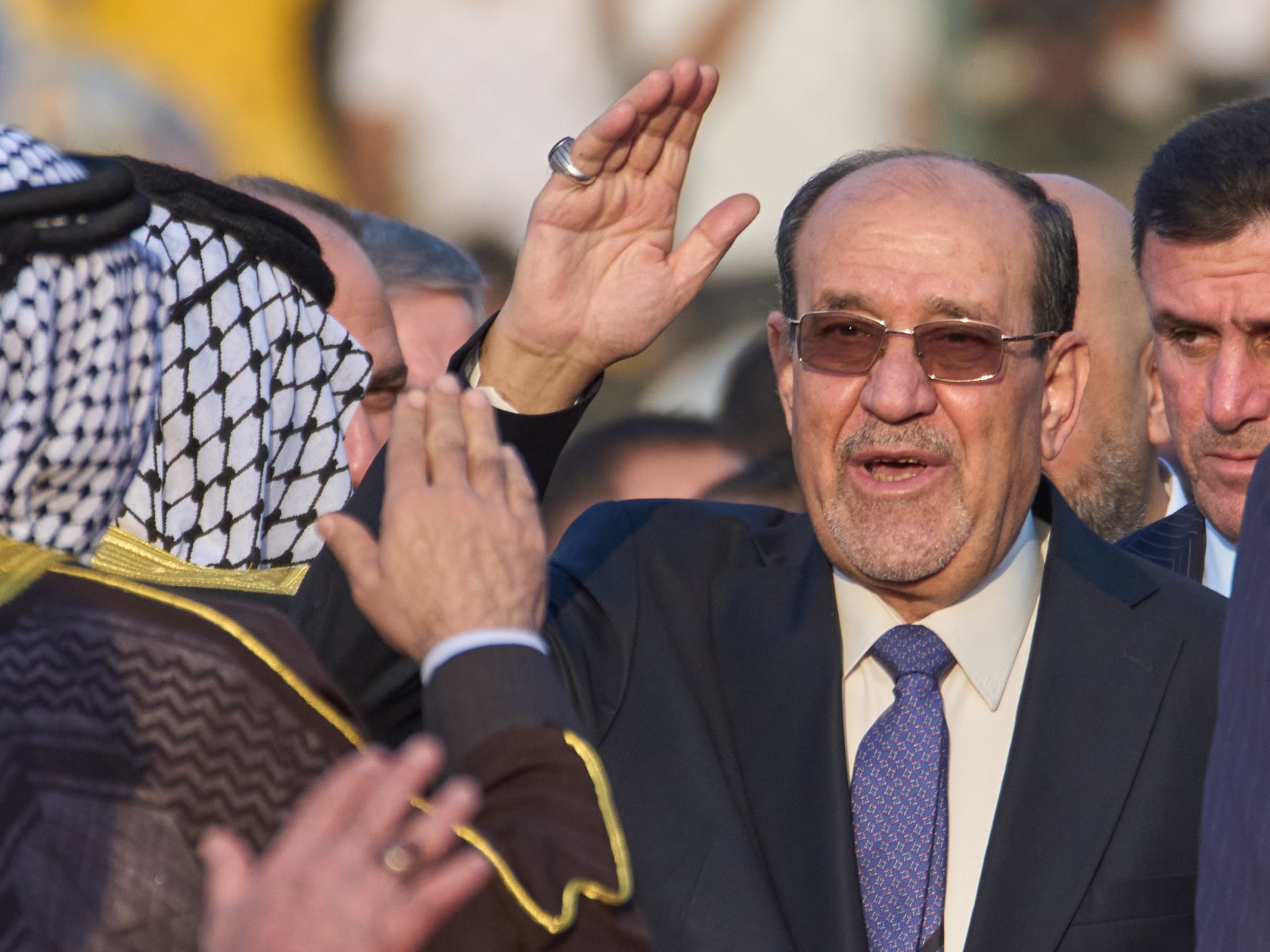

President Donald Trump has threatened that the United States will end support for Iraq if Nouri al-Maliki, a former prime minister with ties to the US’s longstanding foe Iran, is reinstated to the post.
Trump, in his latest intervention in another country’s politics, said on Tuesday that Iraq would be making a “very bad choice” with al-Maliki, who just days previously was nominated by the Coordination Framework, the largest Shia bloc in parliament, as its candidate.
- list 1 of 3Iraq Shia alliance nominates former PM Nouri al-Maliki as its candidate
- list 2 of 3What al-Maliki’s return would mean for Iraq and the region
- list 3 of 3Iraq’s Kataib Hezbollah warns of ‘total war’ if Iran is attacked
end of list
“Last time Maliki was in power, the Country descended into poverty and total chaos. That should not be allowed to happen again,” Trump wrote on his Truth Social platform.
“Because of his insane policies and ideologies, if elected, the United States of America will no longer help Iraq,” he said.
“If we are not there to help, Iraq has ZERO chance of Success, Prosperity, or Freedom. MAKE IRAQ GREAT AGAIN!”
Trump’s comments are the starkest example yet of the Republican president’s campaign to curb Iran-linked groups’ influence in Iraq, which has long walked a tightrope between its two closest allies, Washington and Tehran.
In a letter, US representatives said that while the selection of the prime minister is an Iraqi decision, “the United States will make its own sovereign decisions regarding the next government in line with American interests”.
As part of Trump’s pressure campaign, Washington has also threatened senior Iraqi politicians with sanctions on the country should armed groups backed by Iran be included in the next government, the Reuters news agency reported last week.
Advertisement
Al-Maliki, 75, is a senior figure in the Shia Islamist Dawa Party. His tenure as prime minister from 2006 to 2014 was a period marked by a power struggle with Sunni and Kurdish rivals and growing tensions with the US.
He stepped down after ISIL (ISIS) seized large parts of the country in 2014, but has remained an influential political player, leading the State of Law coalition and maintaining close ties with Iran-backed factions.
The US wields key leverage over Iraq, as the country’s oil export revenue is largely held at the Federal Reserve Bank in New York in an arrangement reached after the 2003 US invasion that toppled Iraqi leader Saddam Hussein.
Related News
Trump says he wants to ‘win’ in Iran; Tehran accuses US of destabilisation
Regained momentum sets Yemen government’s eyes on Houthis in the north
US senators introduce bill to stop Trump seizing Greenland