
The Healing Rhythm: How Reggae Transcends Struggle And Tells Jamaica’s Story
 16 March 2026

News Americas, NEW YORK, NY, Fri. Mar. 6, 2026: Reggae music has always been more than entertainment. It has been memory, resistance, healing, and identity woven into rhythm. From the early days of Jamaican sound systems to the global revival movement of today, reggae has served as both a mirror and a refuge for the people who created it. It tells the story of struggle, faith, and cultural pride while offering something equally important: a moment of relief from the weight of daily life.
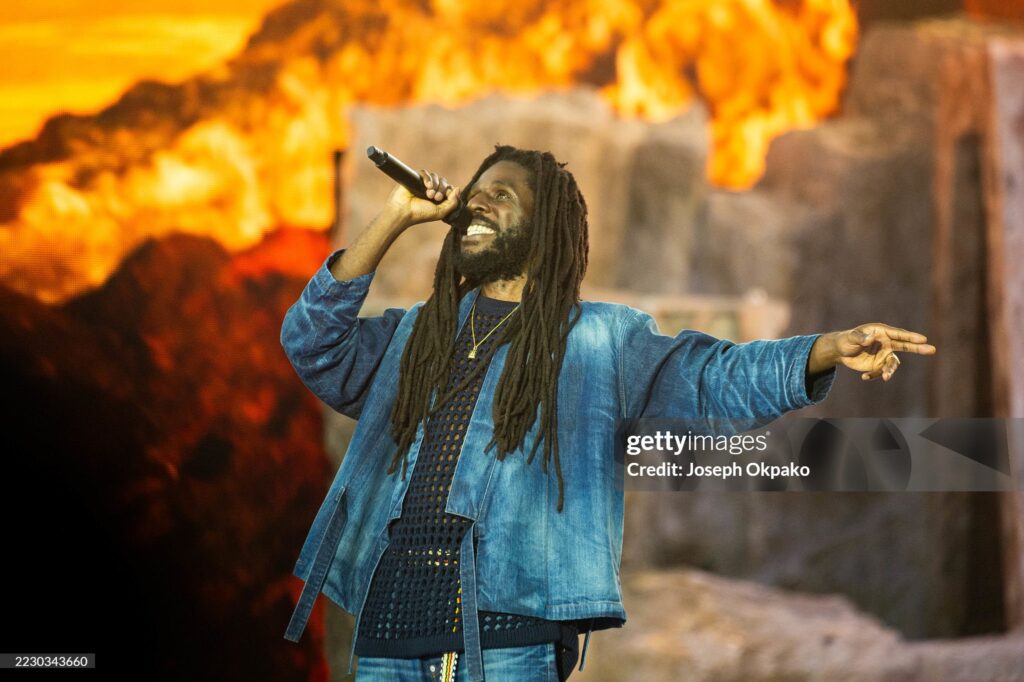
To understand reggae is to understand transcendence. The genre has always carried the emotional weight of the past while guiding listeners toward a more hopeful future. Each generation of artists has inherited the sounds and the responsibility of those who came before them. Through rhythm, lyrics, and spiritual reflection, reggae has continuously translated the lived experience of the Caribbean into music that resonates worldwide.
The roots of this journey can be traced back to the pioneers of Jamaican music, including Prince Buster and the early architects of ska and rocksteady. These musicians built the foundation for what would eventually become reggae. Their music emerged during a time when Jamaica was navigating independence, cultural identity, and social change. The energetic horns of ska and the evolving rhythms of rocksteady reflected the pulse of a nation finding its voice.
In those early years, music was deeply tied to community life. Sound systems were not simply entertainment platforms. They were social spaces where people gathered to listen, dance, debate, and escape the pressures of everyday existence. The large speakers, often stacked high in open yards or on street corners, carried music across neighborhoods. When the bass began to vibrate through the air, the atmosphere changed. For a few hours, the hardships of life could be set aside.
Reggae eventually emerged from this environment, carrying with it a deeper spiritual and political consciousness. Few artists embodied that transformation more powerfully than Bob Marley, Jimmy Cliff, and Peter Tosh. Through their music, reggae became a global voice for justice, unity, and liberation.
Marley’s songs carried messages of redemption and spiritual awakening. Cliff told the stories of resilience and perseverance in the face of hardship. Tosh spoke boldly about equality, human rights, and resistance against oppression. Together, their voices elevated reggae beyond national borders, turning it into one of the most recognizable and influential musical movements in the world.
But reggae’s strength has always come from its collective voices. Artists like Marcia Griffiths, Phyllis Dillon, and Bob Andy added emotional depth and cultural richness to the genre. Their music reminded listeners that reggae was not only a vehicle for protest but also a space for love, reflection, and storytelling.
By the 1990s, reggae found renewed spiritual direction through artists such as Garnett Silk and Sizzla. Garnett Silk’s voice remains one of the most cherished in reggae history. His tone was soft yet powerful, carrying a spiritual resonance that seemed to transcend the music itself.
Silk did something particularly unique in his songs. He wove biblical language into the realities of everyday struggle. His music often sounded like a prayer set to rhythm. When he sang lyrics like “Bless me, bless me, Mighty Judge,” listeners did not hear merely a song. They heard a spiritual plea, a reflection of faith amid hardship.
His ability to blend scripture, culture, and social consciousness created a deep emotional connection with audiences. Through his music, Silk reminded listeners that reggae was not just about confronting injustice but also about maintaining hope and spiritual grounding.
Artists like Sizzla continued that tradition by emphasizing cultural pride, moral responsibility, and spiritual awareness. Their music spoke directly to communities navigating social and economic challenges while encouraging listeners to remain rooted in faith and identity.
Today, that lineage continues through the work of artists like Chronixx and members of the Marley family, including Damian Marley. Chronixx, in particular, has emerged as one of the leading voices of the modern reggae revival.
When listening to Chronixx, one cannot help but notice how his music carries echoes of the past. His vocal style, rhythmic phrasing, and lyrical themes reflect the influence of the legends who came before him. Yet his sound also feels contemporary, speaking directly to the challenges and aspirations of a new generation.
Chronixx’s music often reflects themes of healing, cultural awareness, and social reflection. In many ways, his songs feel like a continuation of the spiritual conversations that artists like Garnett Silk began decades earlier. When he chants and serenades through his melodies, listeners can hear the lineage of reggae’s past resonating through the present.
This intergenerational continuity is one of reggae’s greatest strengths. Music evolves, but its core purpose remains the same: to tell the people’s stories.
Reggae has always been a cultural archive. It documents the struggles of communities, the aspirations of youth, the lessons of elders, and the resilience of a society that has faced profound historical challenges. Through rhythm and poetry, reggae captures experiences that might otherwise be forgotten.
But perhaps its most remarkable power lies in its ability to transport listeners beyond their circumstances.
Anyone who grew up in the Caribbean understands the magic of a sound system gathering. When the large speakers were strung up and the music began to play, the entire community seemed to transform. The bass rolled through the streets, people gathered in yards, and the music created a shared atmosphere of celebration.
For a moment, the struggles of daily life faded into the background.
People danced.
They laughed.
They sang along to the lyrics.
In those moments, the pressures of unemployment, economic hardship, and political tension seemed distant. The music created a temporary refuge where people could reconnect with joy and community.
By morning, reality returned. The same social challenges remained. But the memory of those moments carried people forward.
This is one of reggae’s quiet miracles. Music does not eliminate suffering, nor does it erase injustice. What it does is provide psychological and emotional relief. It gives listeners the space to breathe, reflect, and regain the strength needed to face another day.
That power explains why reggae resonates far beyond Jamaica’s shores. Across Africa, Europe, the Americas, and Asia, people have embraced reggae’s rhythms and messages. The music speaks to universal themes of dignity, freedom, and resilience.
For the Caribbean diaspora, reggae carries additional significance. It preserves cultural memory. It connects younger generations to the experiences, struggles, and spiritual perspectives of those who came before them.
Artists like Chronixx carry on that responsibility. Through their music, they are shaping a new generation of cultural storytellers and, in many ways, modern freedom fighters. Their tools are not weapons but words, melodies, and rhythms that challenge listeners to think critically about society while maintaining faith in the possibility of change.
This role has always been central to reggae. From its earliest days, the genre has served as both commentary and comfort. It has exposed social injustice while offering listeners a sense of unity and hope.
Reggae reminds people of who they are.
It reminds them of where they come from.
And it reminds them that their stories matter.
From the foundational rhythms of Prince Buster to the global influence of Bob Marley, from the spiritual voice of Garnett Silk to the modern revival led by Chronixx, reggae’s journey is one of cultural endurance.
It is a music born from struggle but sustained by faith.
And as long as artists continue to raise their voices through rhythm and melody, reggae will remain what it has always been: a powerful reminder that even in the face of hardship, the human spirit can still rise, sing, and dance its way toward healing.

Related News

Willie Colón: A Voice For Latinos In America Is No More

Oliver Samuels And CBS Star Zay Harding To Lead Explosive Easter Revival Of The Rope and T...

Caribbean Roots Actors Miss Out On Wins At Oscars 2026