
Sudan’s Khartoum needs ‘urgent’ help due to severe food shortages: Report
 05 December 2025
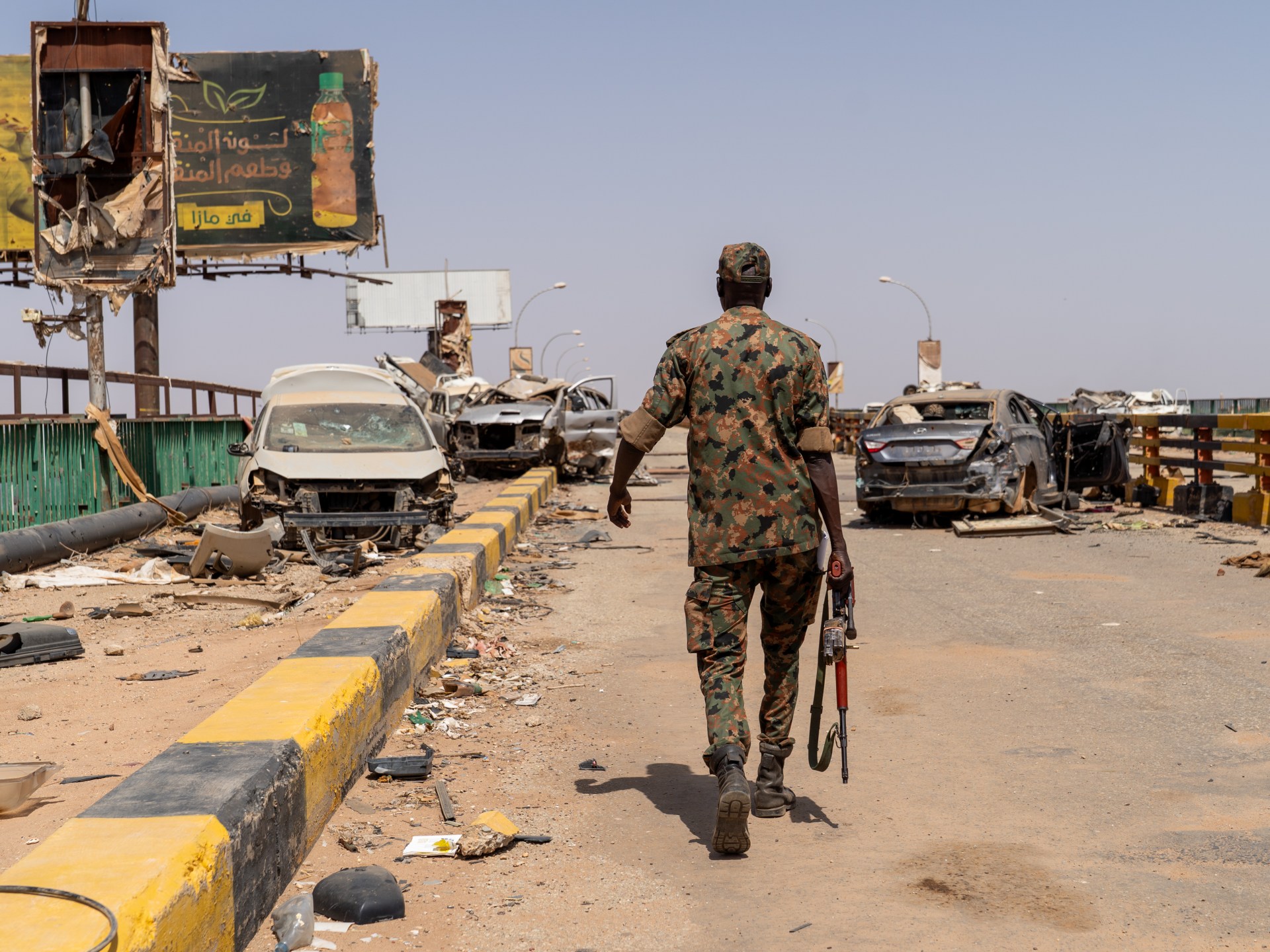

Ninety-seven percent of households in Sudan’s capital are facing food shortages, and the healthcare system has largely collapsed across the city, according to an assessment that reveals the scale of the humanitarian catastrophe gripping the war-torn country.
The report, released this week by the humanitarian organisations Medical Teams International and Norwegian Church Aid, found that three-quarters of families in Khartoum consume fewer than 1,800 calories daily.
- list 1 of 3Rubio says Trump to get involved in Sudan peace efforts as civil war rages
- list 2 of 3UN warns Sudan’s Kordofan faces mass atrocities as fighting spreads
- list 3 of 3RSF kills dozens, mostly children, in war-torn Sudan’s Kalogi: SAF sources
end of list
It surveyed more than 1,250 families and 70 healthcare facilities across Khartoum between August and September, revealing that 97 percent of households face food shortages.
“The need for humanitarian assistance in Khartoum is urgent,” said Dirk Hanekom, Norwegian Church Aid’s country director in Sudan, warning that if conditions are this severe in the capital, remote areas in conflict zones likely face an even graver situation.
Khartoum has been devastated by fighting between the military and the paramilitary Rapid Support Forces (RSF) since April 2023.
The assessment found only 43 percent of the capital’s health facilities remain functional, while just 14 percent of women can access safe childbirth services. Most facilities lack essential medicines, with 70 percent reporting having no antibiotics available.
Medical Teams International’s country director Birhanu Waka said the new data should guide efforts to restore health systems amid what he called “unimaginable hardship”.
The military recaptured Khartoum from the RSF in March, and the capital’s airport reopened for domestic flights in October.
Advertisement
The RSF still controls large areas of western Sudan, including all of Darfur, after they seized the city of el-Fasher in late October.
In the contested city of Babnusa in West Kordofan state, where fierce fighting erupted this week and the RSF said it now controls, conditions appear far worse.
The Sudan Doctors Network reported on Thursday that RSF forces in Babnusa have detained more than 100 families, including children and pregnant women, in dangerous conditions. The group said several detainees have faced beatings.
The United Nations issued an urgent warning on Thursday that Kordofan could face another wave of mass atrocities. UN human rights chief Volker Turk said history was “repeating itself” in the region following last month’s fall of el-Fasher, where early warnings went largely ignored.
British lawmakers were recently briefed that at least 60,000 people were killed in el-Fasher in just three weeks after the city fell to the RSF, The Guardian reported. As many as 150,000 residents remain unaccounted for.
The city remains a ghost town, according to satellite imagery shared by the Yale Humanitarian Research Lab, which has been monitoring the war.
The total death toll from Sudan’s war remains unclear, but estimates place it well more than 100,000, with nearly 12 million people displaced, according to UN figures. More than 24 million Sudanese now face acute hunger.
United States President Donald Trump has said his administration would lead efforts to end the conflict, with Secretary of State Marco Rubio calling Trump the “only leader in the world capable of resolving the Sudan crisis”.
Peace negotiations have stalled, however, as the RSF has continued attacks across the country despite announcing a unilateral ceasefire, while the army has called on the paramilitary group to retreat from territories it has captured.
Related News
Russia-Ukraine war: List of key events, day 1,373
What is Cartel de los Soles, the latest group designated ‘terrorist’ by US?

Trump claims he will nullify executive orders Joe Biden signed by autopen