Russia dismisses reports of second plague case as ‘false information’
 07 October 2026
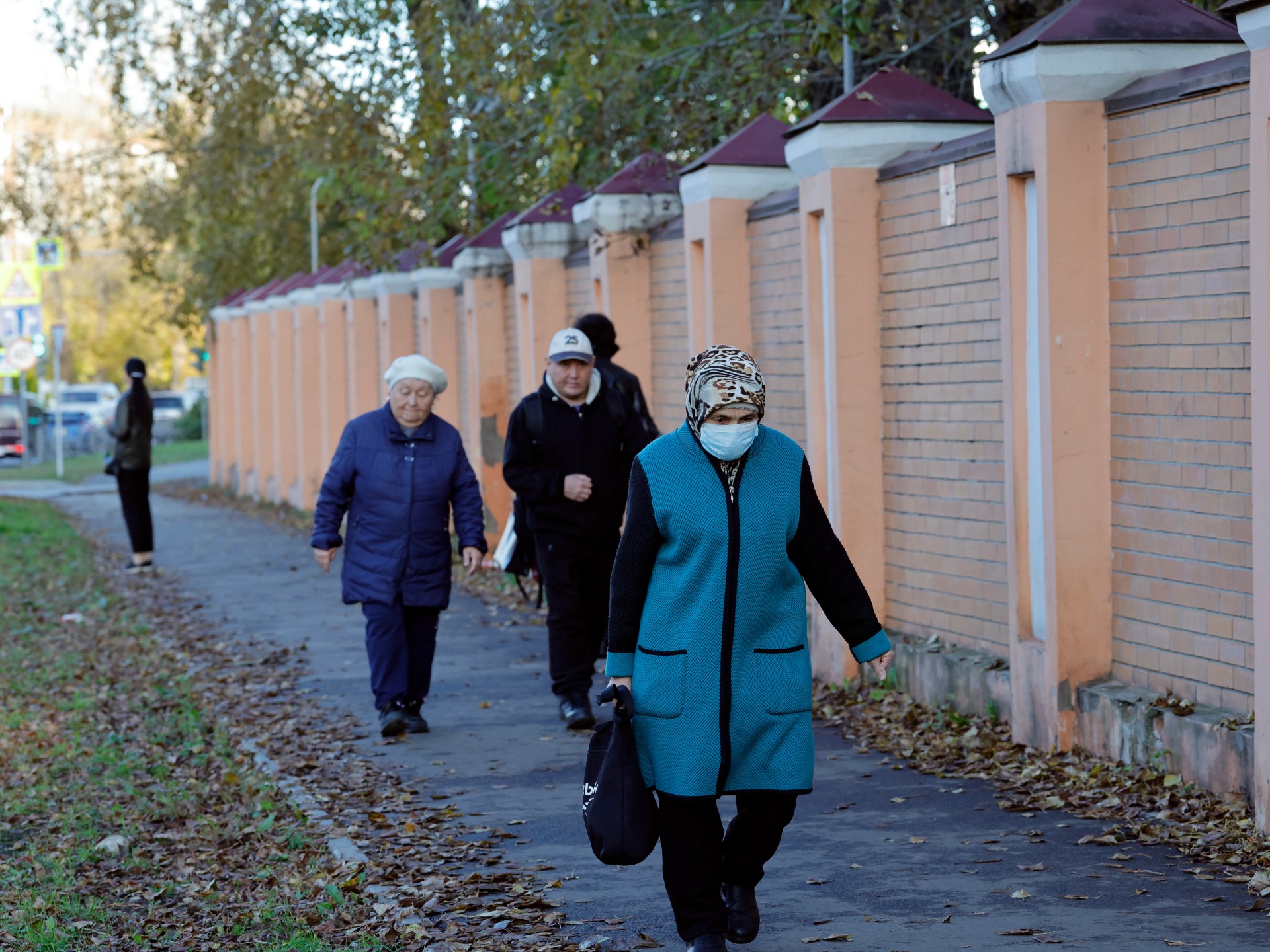

Russia has dismissed media reports of a second suspected case of pneumonic plague in Siberia, as the World Health Organization (WHO) urged Moscow to formally respond to its inquiry regarding the reports.
Kremlin spokesperson Dmitry Peskov told reporters on Wednesday that “the vast majority of what the media is reporting regarding this situation is false information”, in response to a question about reports of a second case.
- list 1 of 3Russia plague quarantine following lab death: Should we be worried?
- list 2 of 3Russia denies imposing anti-plague measures after lab worker death
- list 3 of 3US CDC says it’s ‘aware of and closely monitoring’ Russian plague case
end of list
Peskov said that information on the suspected cases should be derived from official statements by Russia’s health watchdog Rospotrebnadzor.
Russia’s health regulator said there were no infections detected among staff after a plague institute worker died from pneumonia. The origin of the illness remains unknown, prompting international concern that the case could involve the plague.
Russia acknowledged on Sunday that a 28-year-old woman employed at a plague research institute in Siberia’s Irkutsk died after she was diagnosed with a “pneumonia of unknown aetiology”, prompting global concern over a suspected plague case.
The United States, the European Union and the WHO have all called on Russia to be transparent about the situation.
More information needed
WHO chief Tedros Adhanom Ghebreyesus urged Russia to clarify “media reports of a second employee with pneumonia of undetermined cause” at the Irkutsk institute.
“We have received information from two media outlets, one of them is Russian,” Tedros said in a briefing on Wednesday, adding, “We asked Russia to respond to that.”
Advertisement
“We cannot ignore any reporting that comes,” the WHO chief said.
WHO Director of Epidemic and Pandemic Management Maria Van Kerkhove said the UN agency does not know the “causative agent” behind the death in the first suspected case.
In a briefing, Van Kerkhove said, “We don’t understand how she was infected.”
“We need information in a timely way. We need regular information. We need answers to the follow-up of the questions that we have asked,” she added.
Low US risk
The Centers for Disease Control and Prevention (CDC) described the risk to the United States from the suspected pneumonic plague case as “extremely low”.
CDC Director Erica Schwartz said on Wednesday that the US agency is working with the departments of Homeland Security, State, Defense and other agencies to monitor people travelling from the area.
The CDC has a health station at New York City’s John F Kennedy International Airport that can screen travellers coming from the Siberian region, she added.
About 200 people per year travel from the Siberian region to the United States, a Department of Health and Human Services spokesperson told the Reuters news agency.
Direct flights between Russia and the US have been suspended since the start of the Ukraine war in 2022.
“What we’re doing from a whole of government standpoint is we’re making sure that we understand exactly what that threat is,” Schwartz said at the Wall Street Journal’s The Future of Health event in Washington, DC.
“At this time, there is no indication of a broader threat to the United States, but CDC and our interagency partners are prepared and will continue to monitor the situation closely,” the CDC said in a separate statement.
Related News

Israel election double standard: Arab leader forced out, far right cleared

The UK’s King Charles warns AI leaders of ‘existential dangers’

Serbian populist leader Vucic launches campaign for prime minister