OPINION: Ceremony, Constitution and Controversy: The Oath Debate in Antigua and Barbuda’s Parliament
 28 May 2026
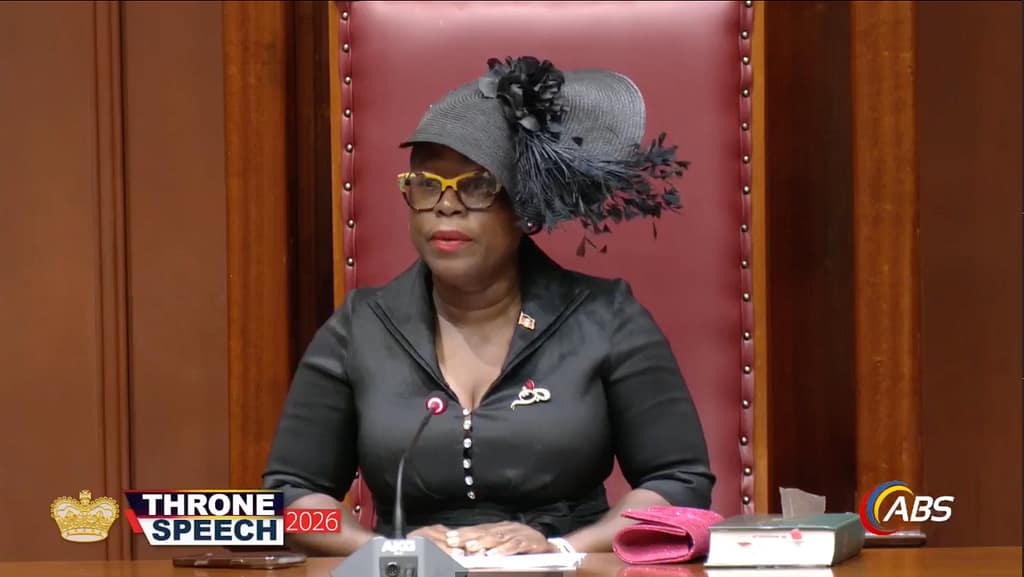

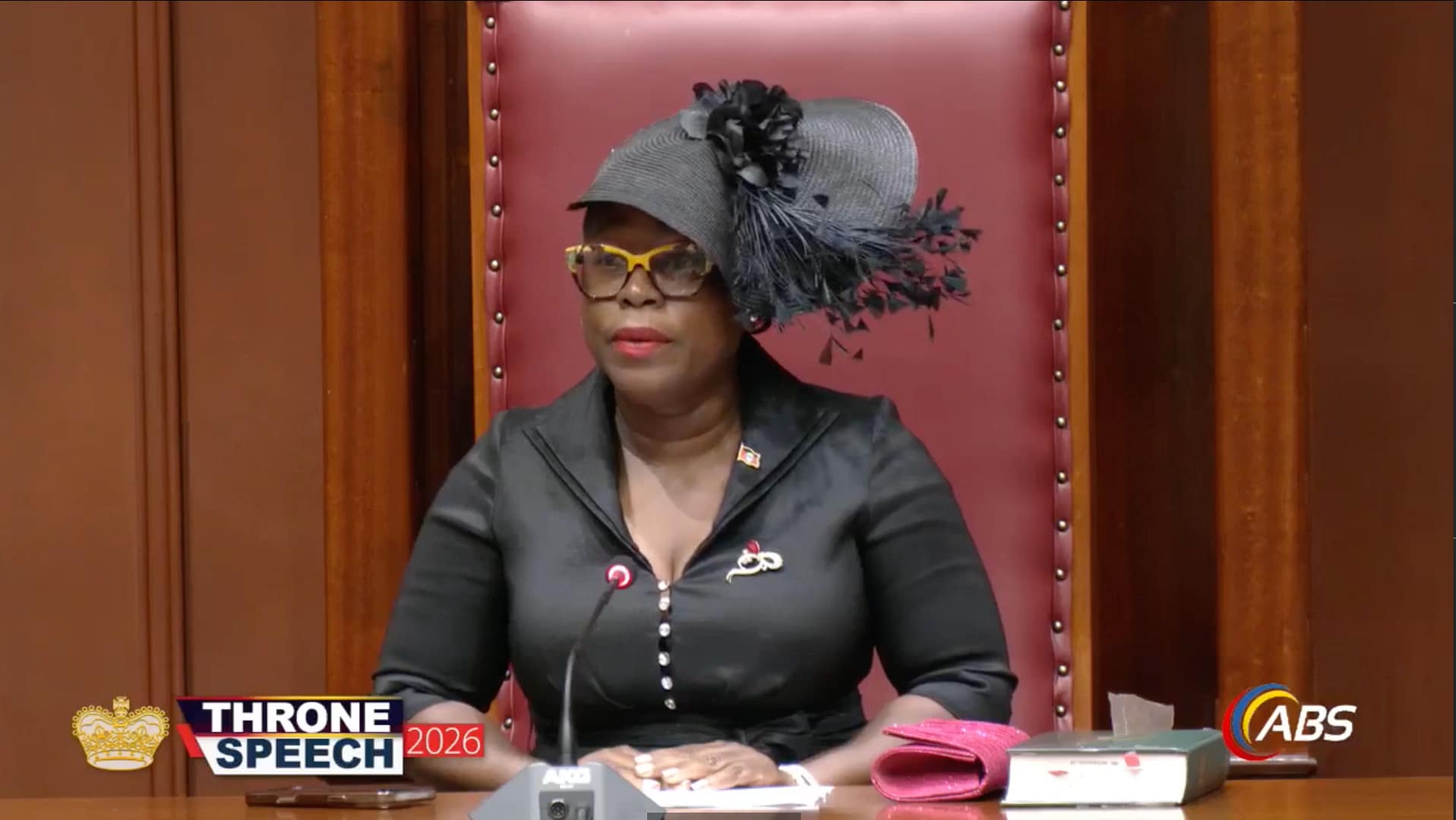



The recent events in the Parliament of Antigua and Barbuda have reignited an important constitutional debate within the Westminster tradition: must a Member of Parliament be sworn in before attending a ceremonial sitting such as the Throne Speech?

The controversy emerged after the President of the Senate reportedly requested that the Leader of the Opposition leave the parliamentary chamber on the basis that he had not yet taken the oath of allegiance prior to the ceremonial sitting surrounding the Governor General’s Throne Speech.
The incident has since sparked widespread public discussion about constitutional practice, parliamentary procedure, and the extent of authority exercised during ceremonial sessions of Parliament.

At the center of the debate lies a distinction often overlooked in Westminster democracies — the difference between “attendance” at a ceremonial opening of Parliament and the constitutional right to “sit and vote” as a functioning parliamentarian.

Under the Westminster system inherited from the United Kingdom, elected representatives are typically prohibited from participating substantively in parliamentary business until they have taken the prescribed oath or affirmation of allegiance. This includes speaking in debate, voting on motions, tabling legislation, or otherwise exercising the powers of a member.
However, Westminster precedent also demonstrates that ceremonial attendance at the State Opening of Parliament frequently occurs before members are sworn in.

In the United Kingdom itself, newly elected Members of Parliament traditionally attend the State Opening of Parliament and hear the King’s Speech before the formal swearing-in process is completed. The oath-taking ceremony often occurs over the days following the opening of Parliament, after which ordinary legislative business begins.
This practice reflects a constitutional distinction deeply rooted in parliamentary convention. A person may be recognized as elected or appointed, but not yet fully qualified to exercise the functional powers of membership until the oath is administered.

The Antigua and Barbuda Constitution similarly requires members of Parliament to take the oath before taking their seat and participating fully in parliamentary proceedings. Yet constitutional scholars across the Commonwealth have long interpreted such provisions as relating primarily to the exercise of parliamentary powers rather than mere ceremonial presence.
The issue therefore becomes whether attendance at a Throne Speech constitutes substantive participation in parliamentary proceedings or whether it remains primarily ceremonial and symbolic.
Critics of the decision to remove the Opposition Leader argue that the request represented an overly rigid interpretation of constitutional procedure and departed from broader Westminster custom. They contend that the Throne Speech is fundamentally a ceremonial state function marking the formal opening of Parliament rather than an ordinary legislative sitting involving debate, motions, or voting.
Supporters of the action, however, maintain that once Parliament is formally convened, only duly sworn members should be permitted within the chamber in an official capacity. They argue that constitutional formality and institutional order must be preserved from the outset of a parliamentary term.
The incident has also revived discussion surrounding the powers of presiding officers within parliamentary chambers. In Westminster systems, Speakers and Senate Presidents wield significant procedural authority to preserve order and interpret standing rules. Yet those powers are not absolute and are often constrained by constitutional convention, precedent, and political scrutiny.
Importantly, constitutional convention remains one of the defining characteristics of Westminster governance. Unlike strictly codified systems, many parliamentary practices rely not solely on written law but on inherited traditions, accepted conventions, and historical precedent.
This is why the controversy has resonated so strongly. It is not merely a dispute about seating arrangements or parliamentary ceremony; it raises broader questions about constitutional interpretation, democratic legitimacy, and the balance between written rules and established practice.
Across the Commonwealth Caribbean, similar constitutional frameworks exist in countries such as Jamaica, Barbados, and Trinidad and Tobago. In many of these jurisdictions, ceremonial openings of Parliament have historically accommodated members prior to formal swearing-in, provided they do not participate substantively in proceedings.
Whether the Antiguan precedent signals a stricter future interpretation of parliamentary procedure remains to be seen. What is clear, however, is that the episode has opened an important national conversation about constitutional norms within Antigua and Barbuda’s democracy.
In Westminster democracies, constitutional crises rarely emerge solely from what is written in law. More often, they arise from disagreements over convention, interpretation, and precedent. Antigua and Barbuda’s latest parliamentary controversy appears to be one such moment.
Advertise with the mоѕt vіѕіtеd nеwѕ ѕіtе іn Antigua!
We offer fully customizable and flexible digital marketing packages.
Contact us at [email protected]

Related News

New Barbuda Airport Terminal Set to commence construction by year-end
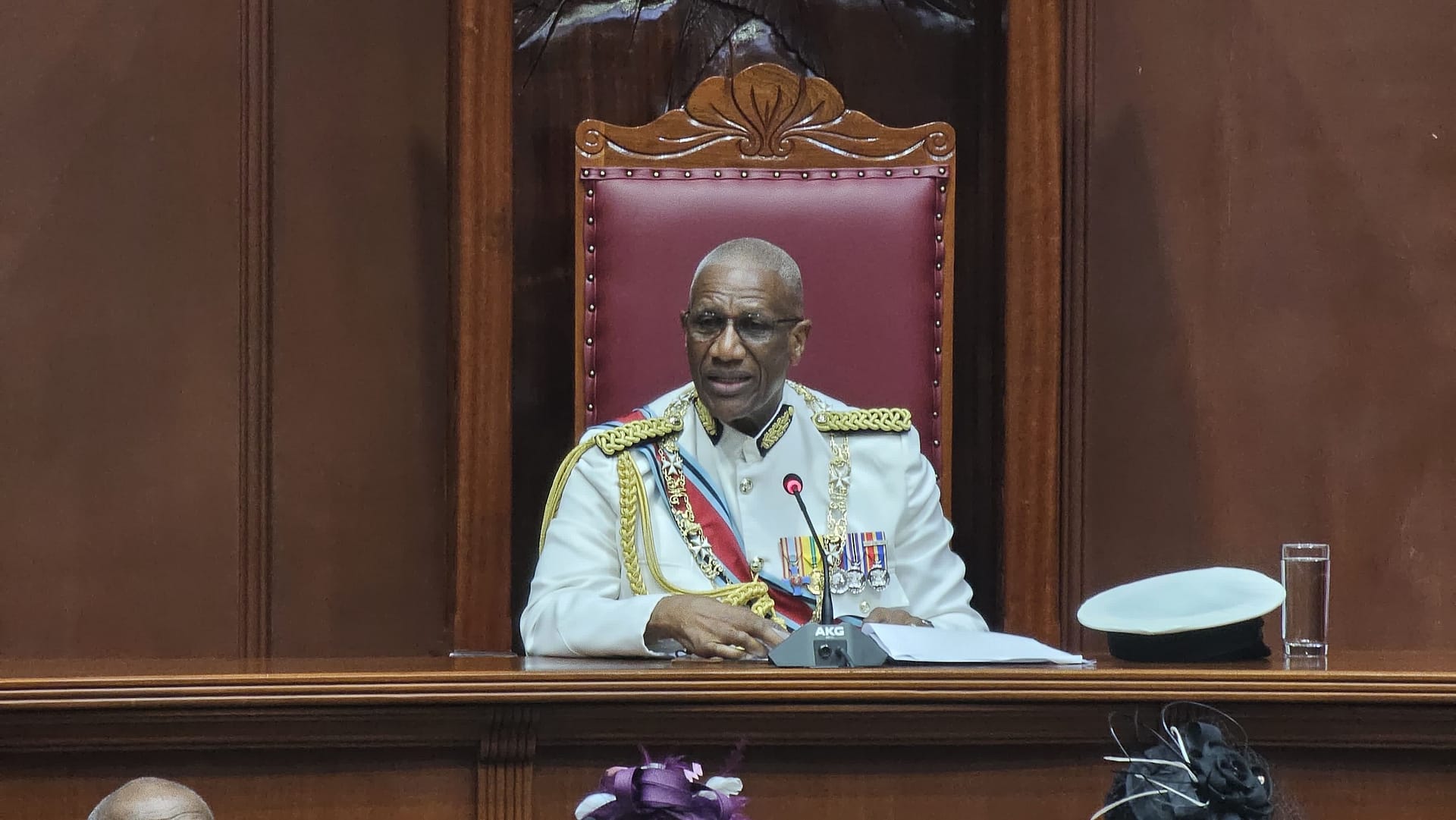
Speech From the Throne by His Excellency The Rt. Hon. Sir Rodney Williams
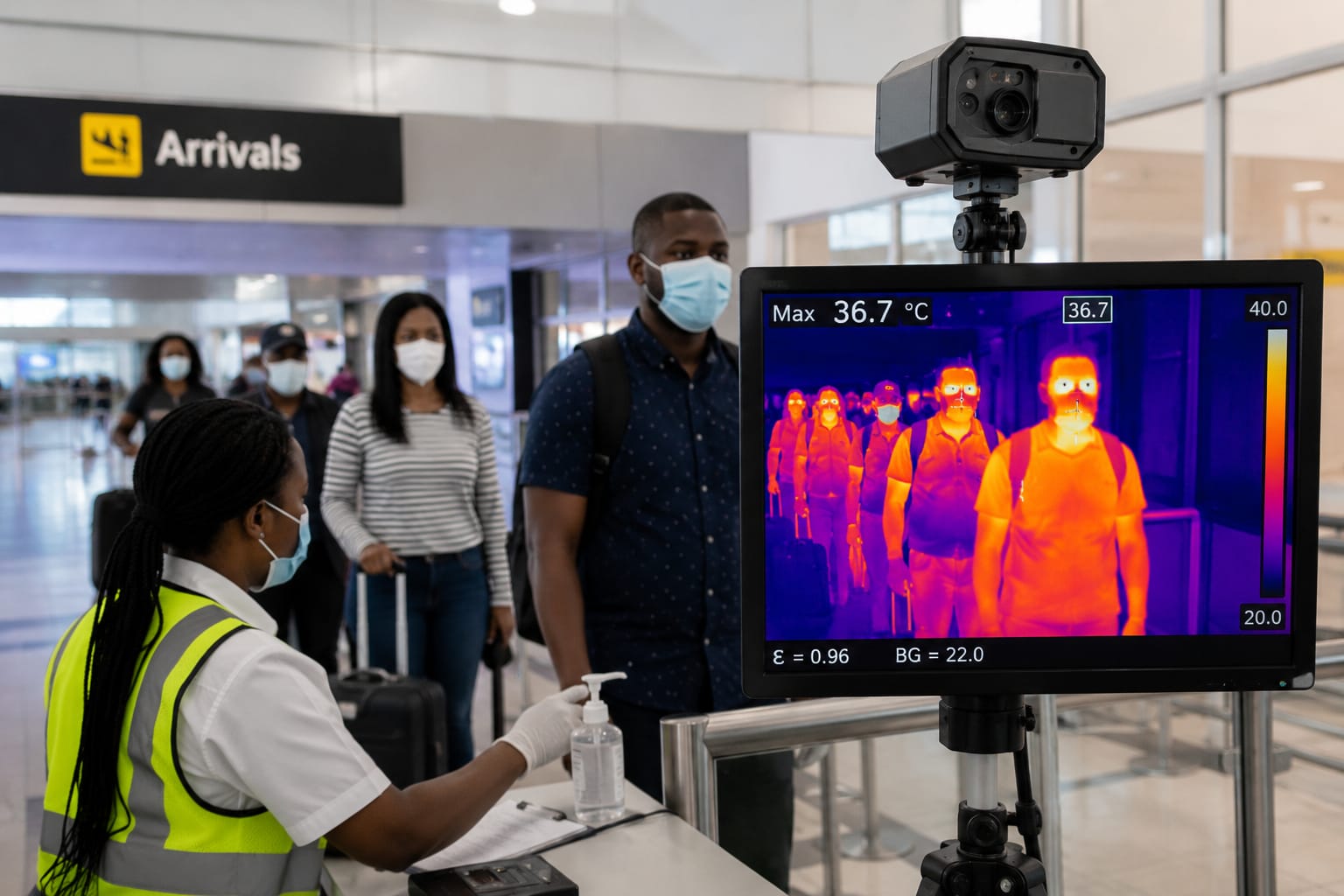
Antigua to Reinstate Thermal Scanners at Airport Amid Ebola Concerns