OP-ED: A Modern Day Siege: Cuba, the Caribbean, and the Architecture of Coercion
 17 March 2026




A Modern Day Siege:
Cuba, the Caribbean, and the Architecture of Coercion
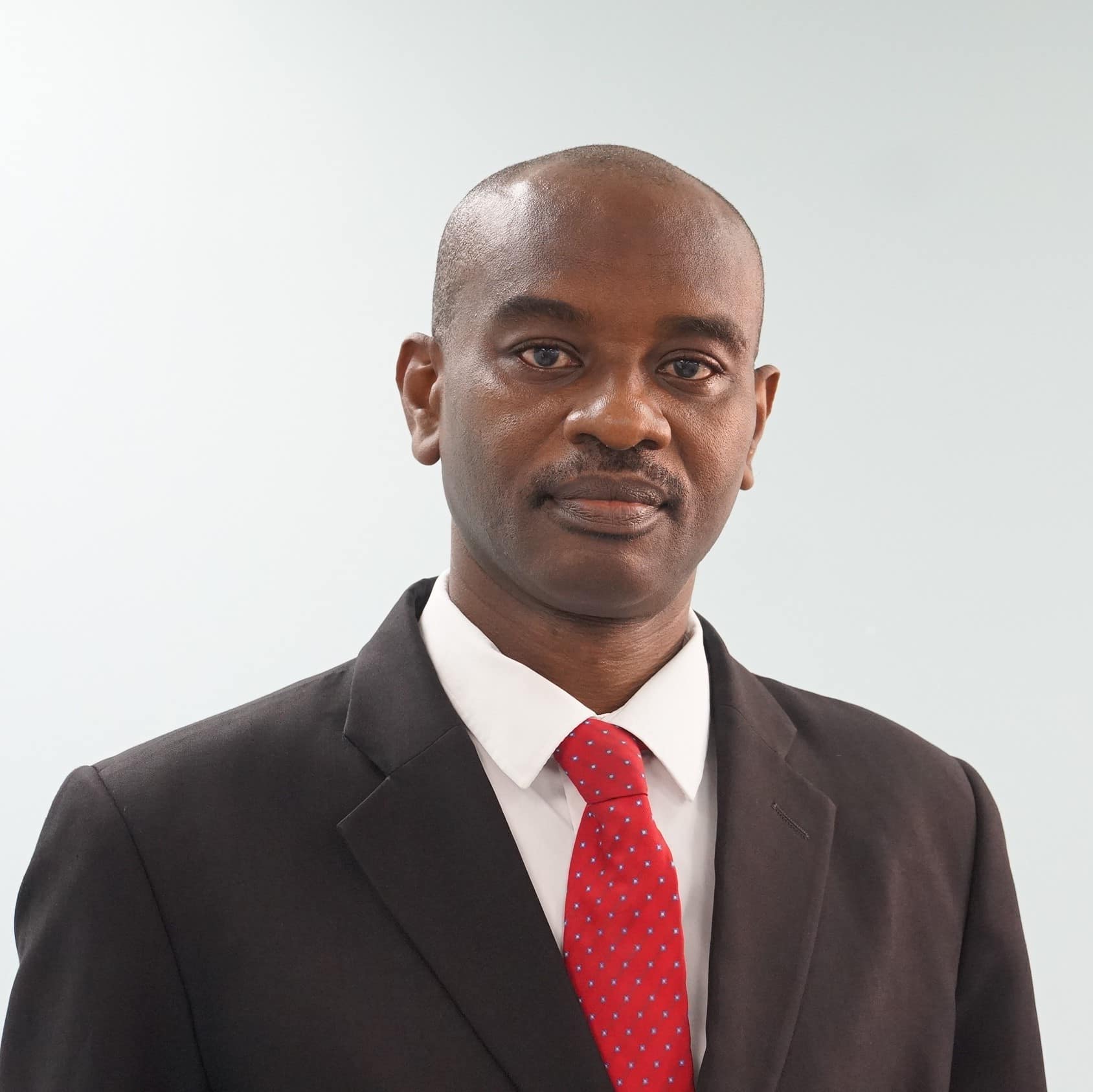
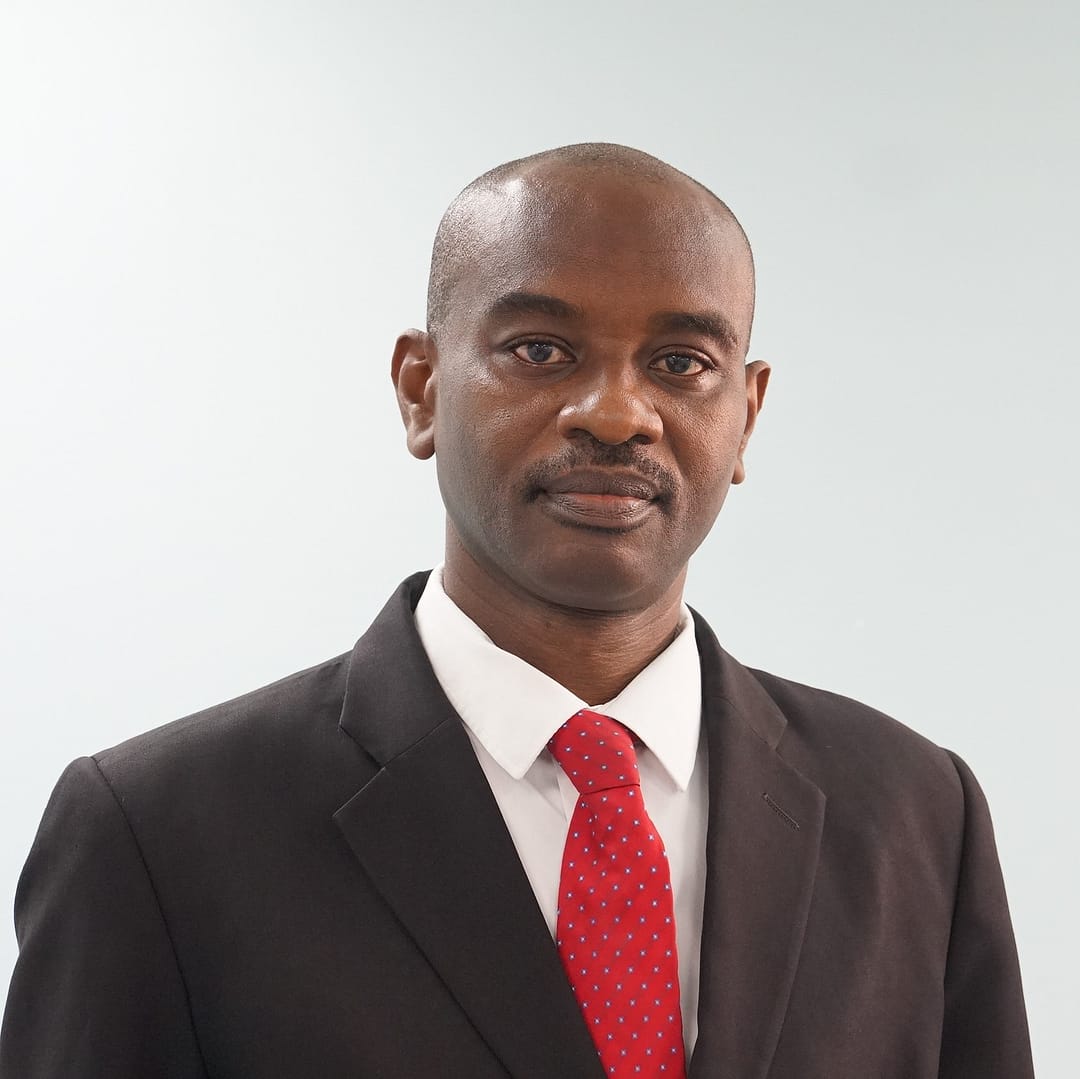
By Professor C. Justin Robinson
Pro Vice-Chancellor and Principal, The UWI Five Islands Campus

In medieval warfare, the siege was the weapon of patient cruelty. Armies did not need to breach the walls, they simply encircled the city, cut off its food, its water, its fuel, and waited. The logic was elegant in its brutality, starving the population until it surrendered its leaders, its sovereignty, its will. The siege required no declaration of war, no formal hostility beyond the act of encirclement itself, it was violence administered through denial. What is unfolding in Cuba today is a siege, not in metaphor, but in method.
Since January 2026, the United States has imposed what amounts to a fuel blockade on the island of eleven million people. Following the removal of Venezuelan President Nicolás Maduro, Cuba’s primary oil supplier was eliminated at the source. An executive order signed on January 29th declared a national emergency and authorized tariffs against any country that dares to sell oil to Havana. Mexico, Russia, and others have been warned. The result is that no meaningful oil shipment has reached Cuba since early January. On March 16th, the entire national electrical grid collapsed, plunging every home, hospital, and school into darkness, the third island-wide blackout in four months.
The consequences cascade with the remorseless logic of siege warfare. Over eighty percent of Cuba’s water-pumping infrastructure depends on electricity. Intensive care units are compromised, vaccines and blood products spoil. The rationing system that feeds the most vulnerable has broken down. Crops cannot be harvested because there is no fuel for the machinery. Garbage piles in the streets of Havana because collection trucks sit with empty tanks. Airlines have been told that Cuba can no longer provide jet fuel. The Cuban government has shortened the work week, closed schools, and restricted transport. Experts warn of “zero hour,” the total depletion of reserves, if no fuel arrives this month. This is not collateral damage; this is the design.

What makes this moment particularly alarming is not merely the severity of the pressure, but the candour with which its architects describe their intentions. The United States has openly confirmed that regime change is the objective, with officials stating that the Cuban government should “make a deal before it’s too late.” President Trump has mused publicly about having the “honour of taking Cuba,” adding with characteristic bluntness, “Whether I free it, take it, I think I could do anything I want with it.” Asked whether a military operation was contemplated, the response was: “I can’t tell you that.”
Let us sit with that language for a moment. “Taking” a sovereign nation. Doing “anything I want” with it. This is not the vocabulary of diplomacy; it is not even the vocabulary of Cold War containment. It is the language of acquisition of property, of possession. It belongs to a tradition that Caribbean people know intimately, because it was once applied to us. Our islands were “taken” too, their peoples and resources treated as things to be disposed of at the pleasure of imperial capitals. That we can hear such language in 2026 and respond with anything less than profound alarm speaks to either the depth of our amnesia or the completeness of our accommodation.
The Caribbean’s relationship with Cuba is not an abstraction. For over half a century, Cuba has sent doctors and teachers across our region. Caribbean students have trained in Cuban universities. In 1972, Guyana, Barbados, Trinidad, and Jamaica broke with Washington’s hemispheric consensus to recognize Cuba diplomatically, an act of sovereign assertion that helped define what an independent Caribbean foreign policy could look like. Cuba holds observer status at CARICOM and has maintained embassies across the English-speaking Caribbean. Critically, Cuba has never interfered in the internal politics of any CARICOM state, never attempted to overthrow a Caribbean government, never sent troops uninvited onto Caribbean soil.
Here is the uncomfortable truth that Caribbean leaders must confront. The principle at stake in Cuba is not whether one approves of Cuba’s political system. It is whether a great power has the right to deliberately immiserate an entire civilian population to force a change of government. If the answer is yes, then every small state in this hemisphere exists at the sufferance of Washington. The precedent being set is not about Cuba alone, it is about the architecture of coercion in the twenty-first century, an architecture in which sovereignty is conditional, international law is advisory, and the suffering of millions is an acceptable instrument of policy.
The United Nations General Assembly has voted overwhelmingly, year after year, to condemn the Cuba embargo. UN human rights experts have described the current fuel blockade as “a serious violation of international law and a grave threat to a democratic and equitable international order.” The UN’s own Resident Coordinator in Havana has warned of “acute humanitarian risks” and potential “collapse.” These are not radical assessments; they represent the settled view of the international community and yet they carry no force against the will of the besieger.
Caribbean people, of all people, should understand this dynamic. Our history is a chronicle of the gap between international norms and imperial practice. We were colonized in defiance of every principle later enshrined in international law. We fought for independence precisely because we understood that sovereignty without economic self-determination is ceremonial. And now we watch as that lesson is taught again, ninety miles from our shores to a people who are our neighbours, our partners, and our kin.
There is a further dimension that Caribbean analysts and policymakers cannot afford to ignore. The siege of Cuba is, at its core, a demonstration project. It demonstrates that in the current geopolitical moment, the United States is prepared to use the full weight of its economic power to achieve regime change in the Western Hemisphere. This is not a departure from historical pattern; it is its refinement. The method has been updated, but the logic is unchanged, small states that displease great powers can be made to suffer until they comply.
For CARICOM nations that depend on imported energy, imported food, and the goodwill of larger trading partners, this should concentrate the mind considerably. If Cuba, a nation of eleven million with a functioning state apparatus, a trained military, and deep reserves of national pride, can be brought to its knees by an oil blockade, what protection does any Caribbean microstate truly enjoy? The answer, as it has always been for small states, lies not in military capacity but in collective action, in the strength of regional institutions, and in the willingness to insist, publicly and repeatedly, that international law applies to everyone or it applies to no one.
A siege ends one of two ways, the gates open, or the people inside perish. Cuba’s gates are being held shut by the most powerful nation on earth, and eleven million people are being told that their suffering will continue until their government ceases to exist. The siege of Cuba is not Cuba’s problem alone. It is a Caribbean problem, a hemispheric problem, and a test of whether the international order means anything at all when power decides it does not. History will record not only what was done to Cuba, but who spoke, and who was silent.
Advertise with the mоѕt vіѕіtеd nеwѕ ѕіtе іn Antigua!
We offer fully customizable and flexible digital marketing packages.
Contact us at [email protected]

Related News
Food Prices Drop Nearly 5% in January as Meat, Seafood and Produce Costs Fall
Police Announce Heightened Enforcement Against Smoking in Public Areas
Antigua and Barbuda Advancing ‘Blind Free Zone’ Eye Care Initiative