Oil prices surge as US strikes Iran, reversing slide to pre-war levels
 08 July 2026

Oil prices have surged as renewed hostilities between the United States and Iran threaten to derail a fragile ceasefire that had brought some relief to global energy markets.
Brent crude, the main international benchmark, rose as much as 3 percent on Wednesday, reversing a slide that had seen prices return to pre-war levels.
- list 1 of 4Unstable Manhattan skyscraper triggers collapse fears
- list 2 of 4US strikes Iran despite promised pause for Khamenei funeral
- list 3 of 4Argentina fans hurl beer at Egypt supporters after final whistle
- list 4 of 4US immigration officer shoots and kills man in Texas
end of list
Brent futures for September stood at $76.07 a barrel as of 04:00 GMT, the highest since June 23.
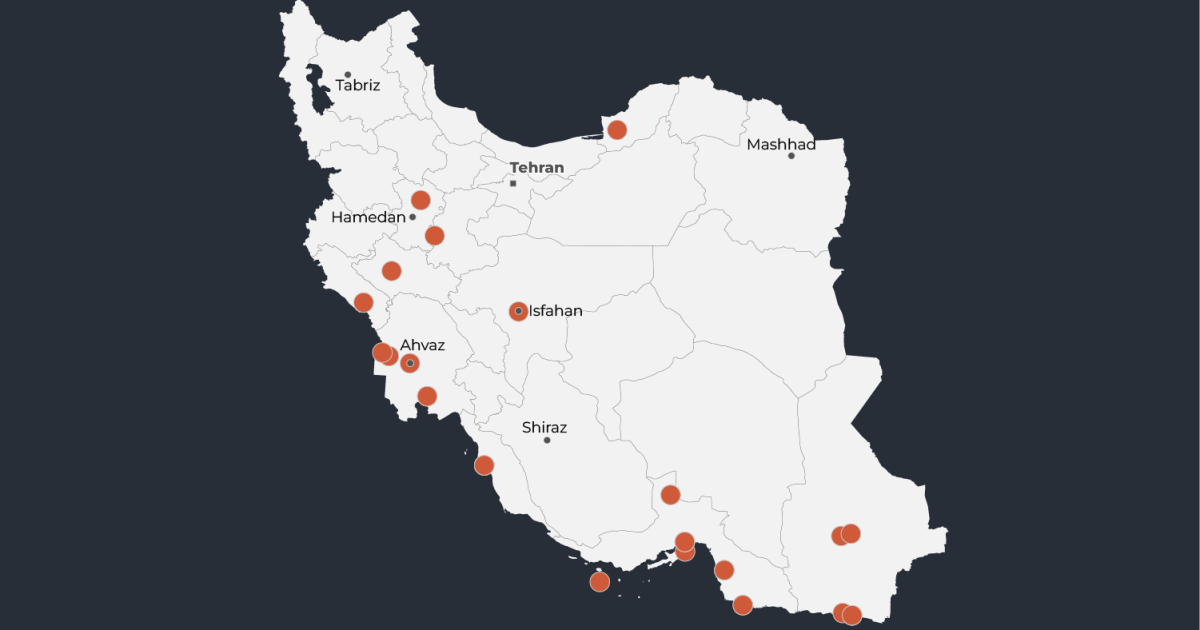
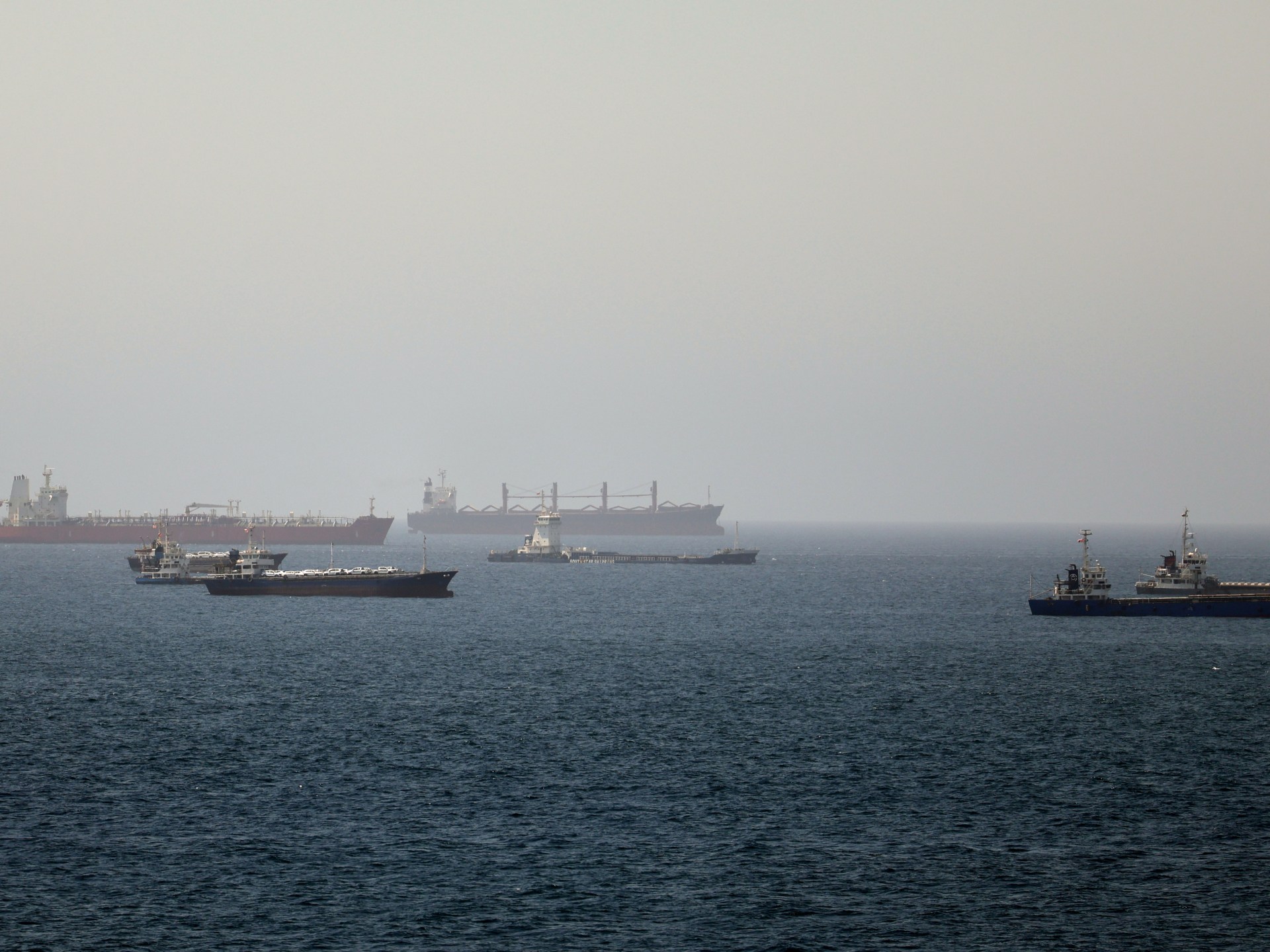
The jump came after the US launched strikes on Iran and revoked a temporary waiver of sanctions on Iranian oil, following attacks on three commercial vessels in the Strait of Hormuz.
US, Qatari and Saudi officials blamed the attacks on Iran.US Central Command said on X that it had begun “launching a series of powerful strikes against Iran to impose heavy costs for targeting and attacking commercial shipping crewed by innocent civilians in an international waterway”.
Tehran has not directly claimed responsibility for the attacks, but has repeatedly warned vessels against attempting to transit the waterway on routes it has not approved.
Iranian Deputy Foreign Minister Kazem Gharibabadi said earlier that Tehran would take “decisive actions to safeguard its national interests and security” in response to the revocation of the sanctions waiver, describing the move as a “blatant violation” of the memorandum of understanding signed by Washington and Tehran on June 17.
Tony Sycamore, a senior market analyst at IG Australia, said the MOU’s language was deliberately vague regarding control of the strait and traffic management.
Advertisement
Disagreement between the US and Iran over whether the strait is an international waterway or partly Iran’s territorial waters was never fully resolved, Sycamore said.
“It remains to be seen whether this morning’s US strikes bring a swift end to the latest escalation or Iran elects to continue flexing its leverage over the Strait with actions that fall short of triggering a broader conflict,” Sycamore said in a note to clients on Wednesday.
“At the very least, it will keep markets on edge and does suggest crude oil prices have based for now.”
The US strikes followed a separate move by the US Treasury Department late on Tuesday to revoke its 60-day waiver on sanctions on Iranian oil.
The Treasury Department last month authorised the sale of Iranian oil until August 21 as part of broader negotiations with Tehran, but transactions will now no longer be allowed after 12:01am EDT (04:01 GMT) on July 17, according to a statement on the department’s website.
The new order also rescinds authorisation for any new transactions, including purchases or loading, after Tuesday.
Saul Kavonic, head of energy research at MST Marquee, said he expects oil prices to remain elevated as hazardous conditions persist in the strait and the release of emergency oil stockpiles wind down.
“Iran fully intends to cement its control over the Strait of Hormuz in the coming weeks, which is unacceptable to the US, many Gulf states and global customers, and could result in passage through the Strait remaining below 50 percent of pre-war levels for many months with periodic flare-ups in hostilities,” Kavonic told Al Jazeera.