Mothers of the Plaza de Mayo reflect on 50th anniversary of Argentina coup
 24 March 2026

Buenos Aires, Argentina – It felt like she had run out of doors to knock on.
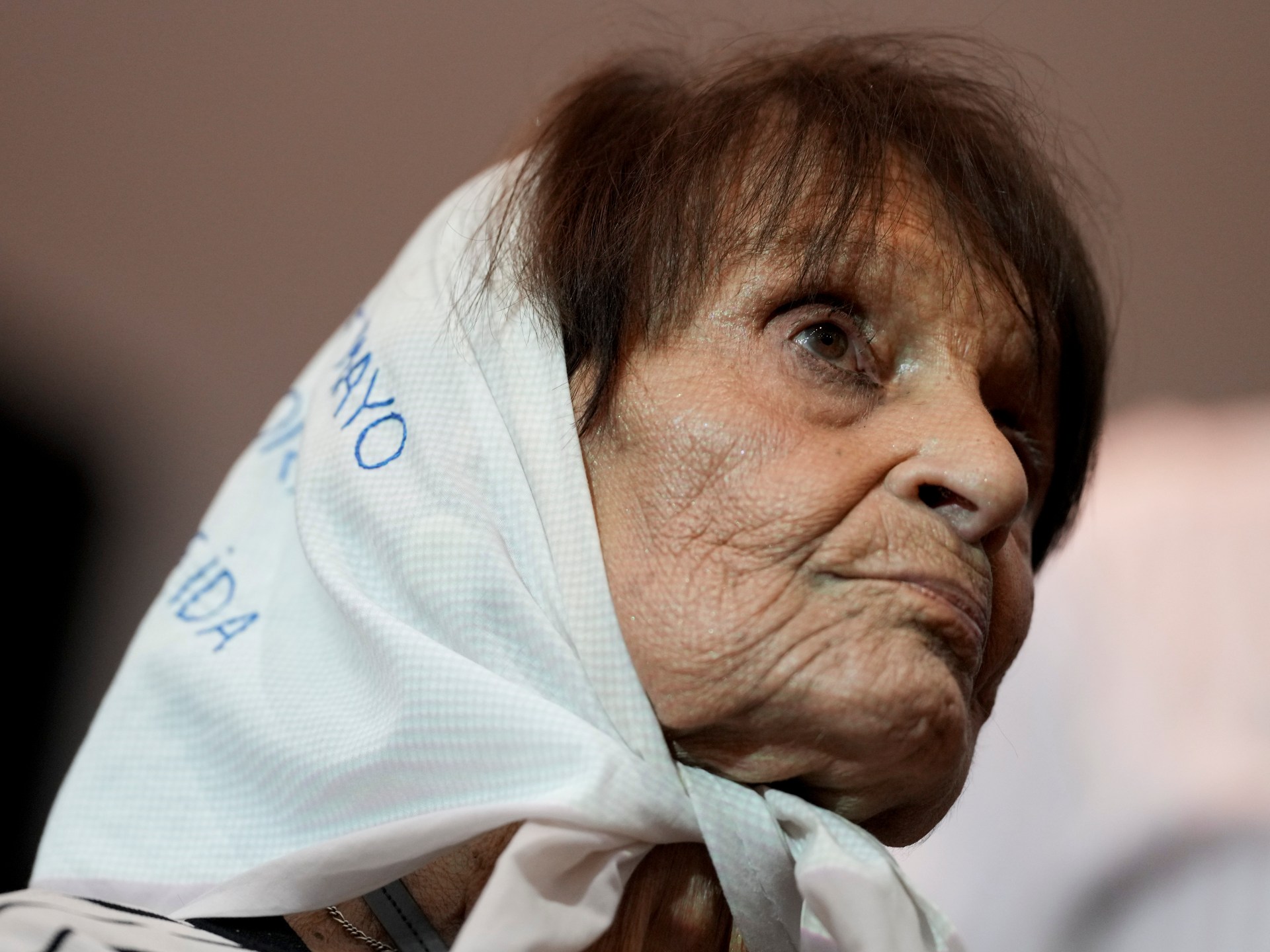
It was 1977, and Argentinian teacher Taty Almeida had grown desperate. No one seemed able or willing to help her find her missing son, Alejandro, a 20-year-old medical student and political activist.
He was last seen on a street near his home in Buenos Aires. Almeida suspected government-backed paramilitary forces had snatched him, as part of a crackdown on political dissidents.
But no one seemed to be able to locate Alejandro. It was as if he had simply disappeared.
So Almeida made a decision that would change her life forever. She went to the central square in Buenos Aires, just steps from the presidential palace, and joined a group of bereaved women who gathered there each week.
Together, they circled the square, holding up photos of their children and asking, "Where are they?"
The group became known as the Mothers of the Plaza de Mayo. For the last half-century, they have been searching for the children and grandchildren abducted under Argentina's dictatorship, from 1976 to 1983.
Tuesday marks the 50th anniversary of the military coup that brought the dictatorship to power, and the Mothers of the Plaza de Mayo are still active, now joined by relatives as they continue to march around the plaza each week to demand justice.
But the surviving members of the original group are elderly. Almeida herself is 95 years old. She still hopes she can find Alejandro before she passes away.
“I don’t want to go without at least touching Alejandro’s bones," Almeida said. "I will never lose hope or stop fighting. All we want is justice."
Justice, though, can seem increasingly out of reach. Under Argentina's current right-wing president, Javier Milei, government resources have been diverted away from efforts to seek accountability.
Milei himself has downplayed the atrocities that unfolded, waving them aside as "excesses". For Almeida, those actions underscore why the Mothers of the Plaza de Mayo, as an organisation, needs to endure.
“Javier Milei and his government continue to try and rewrite history, deny the human rights abuses that happened in Argentina," said Almeida.
"This is why talking about our collective memory, and the need for truth and justice, are more important than ever."
Related News

What US-Israeli targets reveal about Iran war goals three weeks in

What we know about Iran’s latest attacks on Israel
Ex-minister Gamboa targeted in Costa Rica’s first extradition to the US