Ministry of Health Hosts Antimicrobial Stewardship Workshop to Strengthen Responsible Medicine Use
 19 April 2026
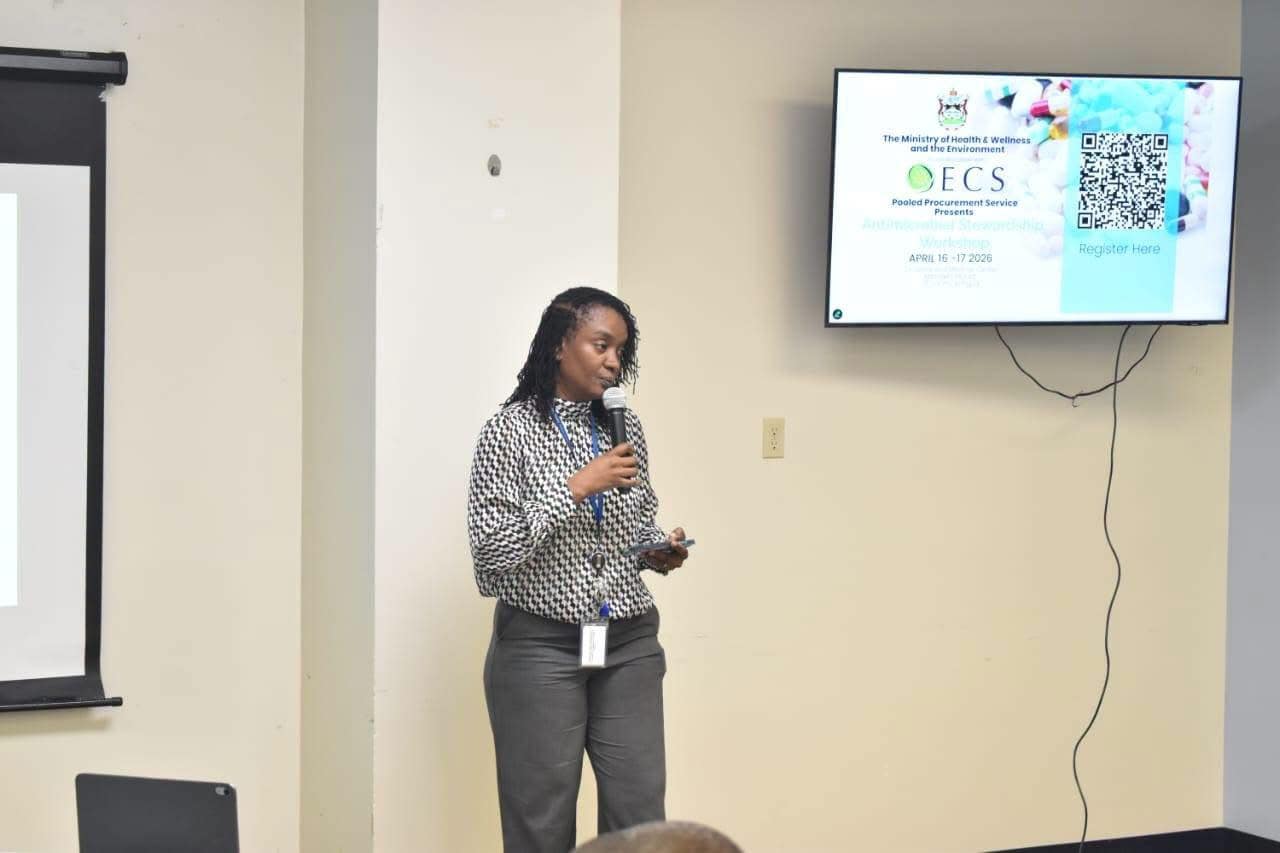

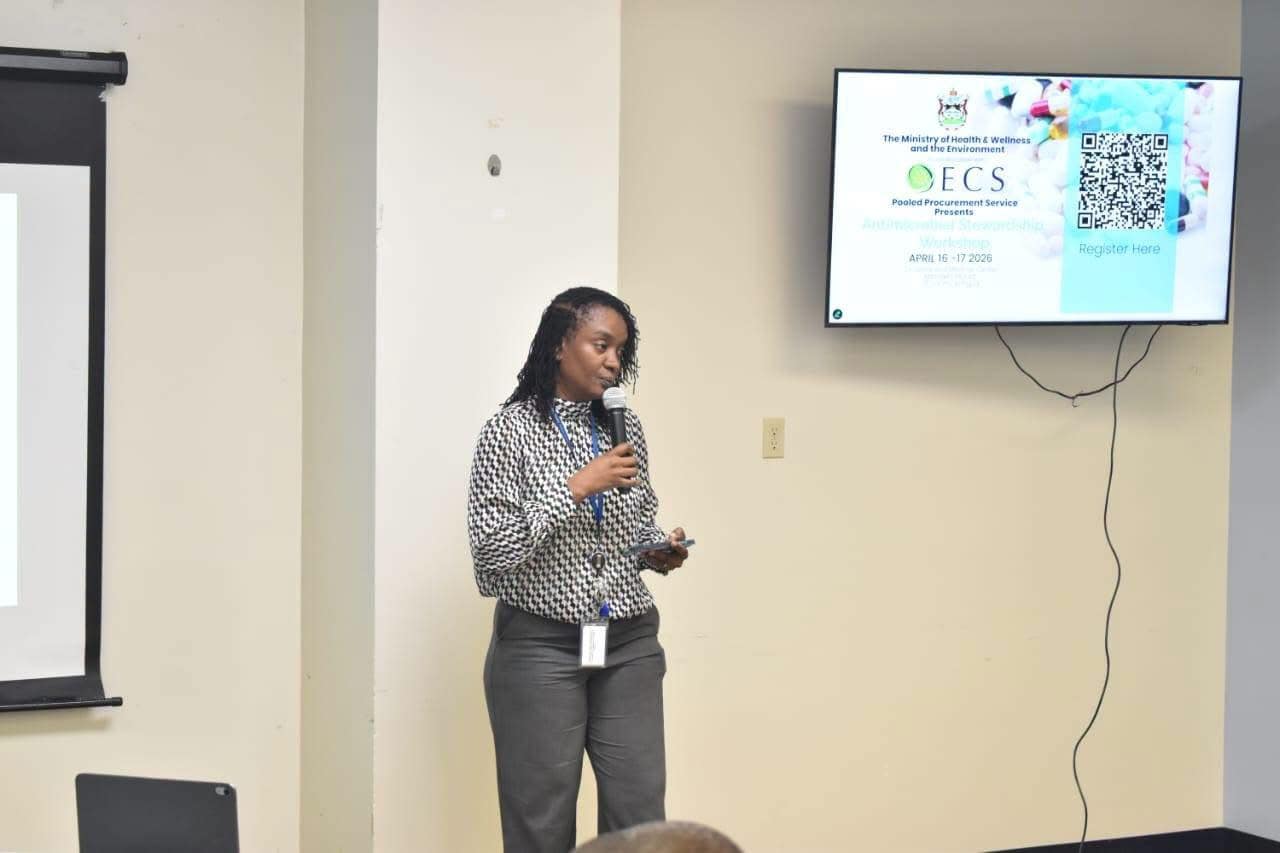



The Ministry of Health, Wellness, the Environment and Civil Service Affairs hosted a two-day Antimicrobial Stewardship Workshop from April 16–17, 2026 at the Sir Lester Bird Medical Centre (SLBMC), aimed at strengthening the responsible use of antimicrobial medicines across the healthcare system.

The workshop brought together a wide range of healthcare professionals, including doctors, pharmacists, nurses, laboratory personnel, veterinarians, and public health officials, in a coordinated effort to address the growing challenge of antimicrobial resistance.
The sessions were facilitated by Abraham S.T. Weekes, Senior Technical Specialist at the Organization of Eastern Caribbean States Pharmaceutical Pooled Procurement Service (OECS-PPS). Mr. Weekes is a highly experienced pharmacist with over two decades of expertise in hospital pharmacy practice, pharmaceutical systems, and antimicrobial stewardship across the region.
Delivering remarks at the opening ceremony, Permanent Secretary Stacey Gregg-Paige underscored the urgency of the issue, noting that antimicrobial resistance “directly affects how care is delivered, the outcomes we achieve, and the sustainability of our health system.” She further emphasized that the matter represents a critical dimension of health security, with implications extending beyond individual patient care to national and regional resilience.

Mrs. Gregg-Paige described the workshop as both timely and essential, highlighting the importance of collaboration among healthcare professionals. She noted that such engagement provided an opportunity for reflection, discussion, and practical action to strengthen antimicrobial use within the local context.
She also stressed the importance of a One Health approach, recognising the interconnectedness of human, animal, and environmental health, and pointed to the need for strengthened surveillance systems to better understand patterns of use, detect emerging resistance, and support informed decision-making.

The workshop focused on practical, case-driven approaches to improving antimicrobial use in both clinical and community settings. Key sessions covered the importance of antimicrobial resistance, the role and functions of antimicrobial stewardship committees, and strategies for enabling the rational use of medicines within the healthcare system.
Participants also engaged in working sessions designed to develop context-specific solutions, strengthen governance and surveillance systems, and enhance collaboration among stakeholders. A continuing education session further supported pharmacists and doctors in advancing best practices in antibiotic use.

The Permanent Secretary encouraged participants to engage fully and to focus on actionable outcomes, noting that “the true value of this engagement will be determined by what follows… in the decisions made, the consistency of approach, and the outcomes achieved.”
Antimicrobial resistance remains a significant threat to public health globally and within the region. The Ministry emphasised that strengthening antimicrobial stewardship is essential to ensuring effective treatment outcomes, safeguarding patient safety, and preserving the efficacy of existing medicines.
The Ministry of Health extended its appreciation to the OECS-PPS and all participating stakeholders for their collaboration in advancing this critical initiative.
Advertise with the mоѕt vіѕіtеd nеwѕ ѕіtе іn Antigua!
We offer fully customizable and flexible digital marketing packages.
Contact us at [email protected]

Related News

PM Browne Says $100M Road Bond Is Undrawn as He Rejects UPP Call for Corruption Investigation
PM Browne Says ‘Follow the Leader’ Health Walk a Major Success, Urges Continued Focus ...

UPP Launches Campaign with Prayer-Focused ‘Ignite’ Event