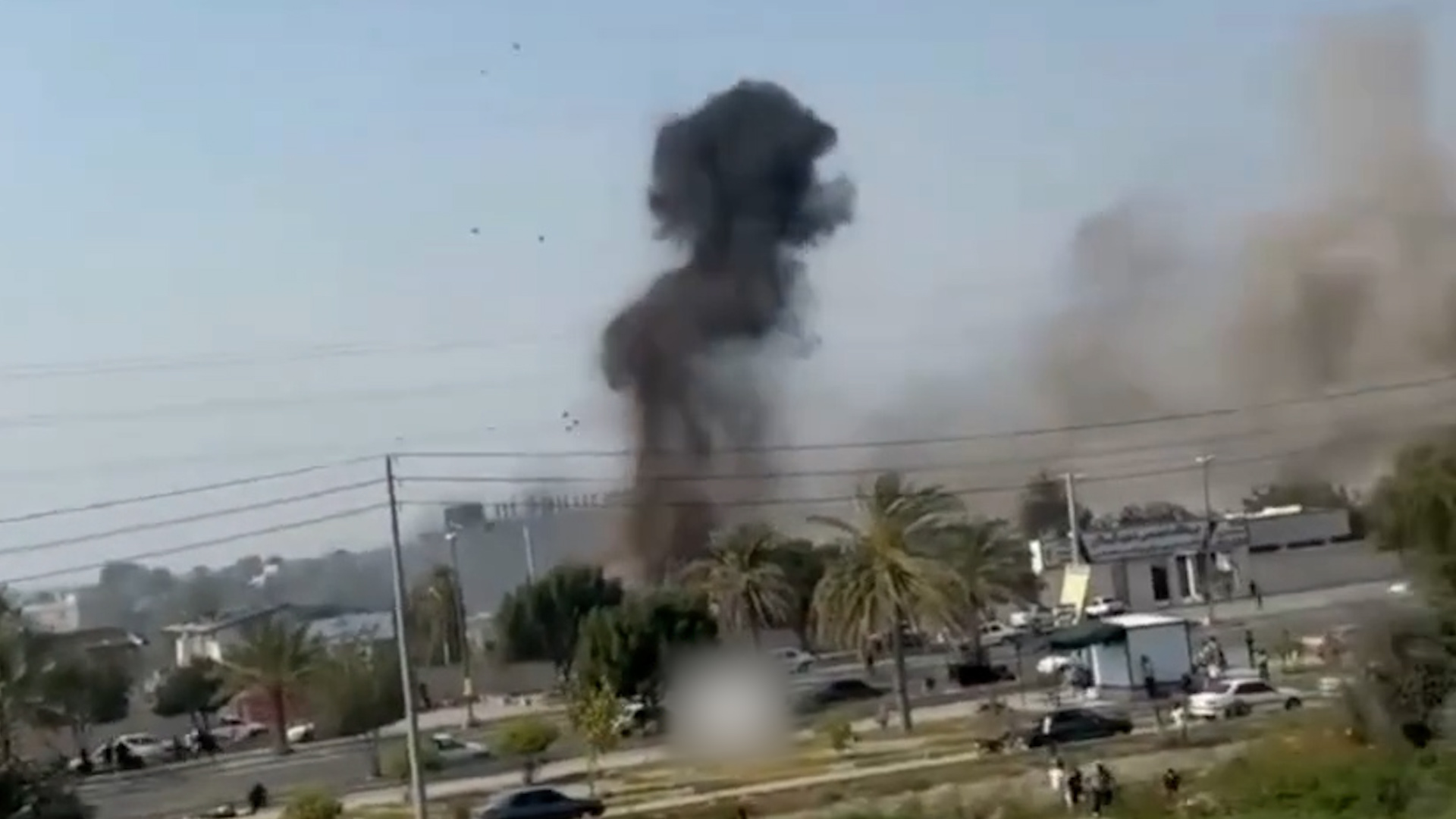
Iran fires missiles, drones across Gulf, region remains in war crosshairs
 18 March 2026
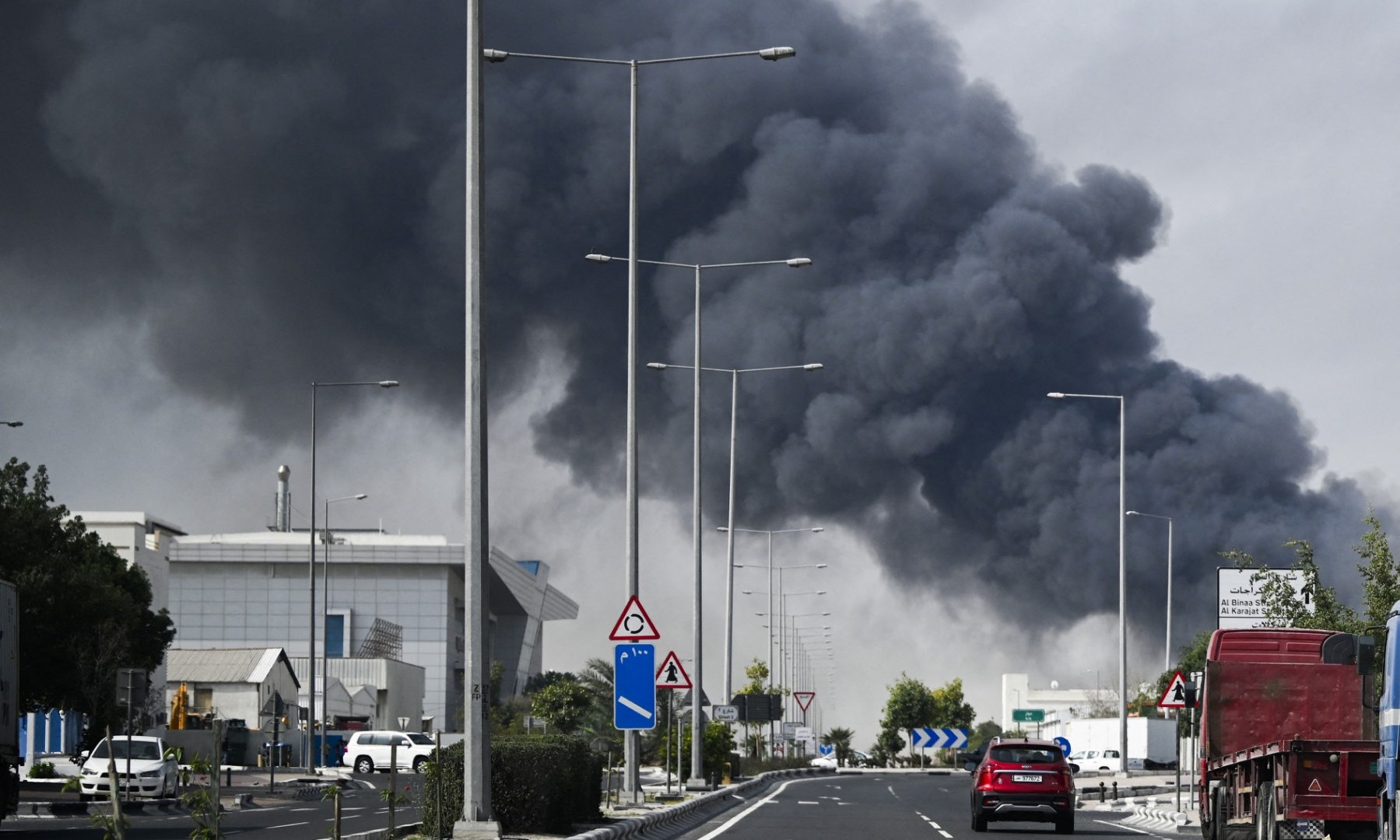

Iran has fired missiles and drones at several Gulf Arab nations, which have sought to intercept them, in a now-daily fallout from the United States-Israel war launched on Iran nearly three weeks ago that has engulfed the Middle East with deaths, destruction, assassinations, and an energy crisis spreading far beyond the region.
Early Tuesday, Qatar’s Ministry of Defence said its armed forces intercepted a missile attack against the country.
- list 1 of 4Killing of Larijani will not destabilise Iranian political system: Minister
- list 2 of 4Gulf economies suffer brunt of Iran war as recession risk looms
- list 3 of 4Drone sparks fire at UAE oil site as Gulf takes more hits amid Iran war
- list 4 of 4Trump says US does not ‘need’ Strait of Hormuz help, despite appeal
end of list
The Kuwait National Guard said it shot down an unmanned aircraft at dawn. The statement came hours after the Kuwaiti army said it was intercepting hostile missile and drone attacks.
The UAE, Saudi Arabia and Bahrain have also reported intercepting missiles and drones in recent hours.
Saudi Arabia’s Ministry of Defense reported the interception and destruction of a drone in the Eastern Region.
Earlier Tuesday, the UAE Ministry of Defence said the country’s air defences were “currently responding to incoming missile and drone threats from Iran”. The announcement came four hours after another reported attack from Iran.
Al Jazeera’s Zein Basravi, reporting from Dubai, said, “The UAE has been the hardest hit by Iran’s retaliation. For instance, there have been 3000 different projectiles – missiles and drones – fired at GCC countries by Iran in terms of its retaliation. More than half, well over half, have targeted places in the UAE. Overnight was no different … Multiple explosions heard throughout the city.
“That glow of defensive weapons and interceptions in the night skies, something that has become all too familiar, not just in Dubai, but in cities across the GCC. Once again seen over the skies here.
Advertisement
“Dubai’s media office confirming that they were the result of air defence interception operations,” he added.
There have been several deaths in the Gulf nations, where an economic effect is also being acutely felt since the war began.
The economies of the Gulf are suffering some of the worst damage.
Iran has launched continuous attacks on Gulf states since the onset of the conflict on February 28, arguing that it is attacking military bases used by the US for the war. Gulf nations have rejected Tehran’s claims, insisting the attacks on them are unjustified.
The Iranian strikes have upended energy production and inflicted major disruption to tourism and travel, putting the region at risk of some of the most severe economic harm since the 1990-1991 Gulf War.
After nearly three weeks of war, the economic effect on the region has already been substantial.
Middle Eastern oil producers’ daily output declined from 21 million barrels to 14 million barrels after a little more than a week of conflict as they deal with the closure of the Strait of Hormuz, according to Rystad Energy.
Related News
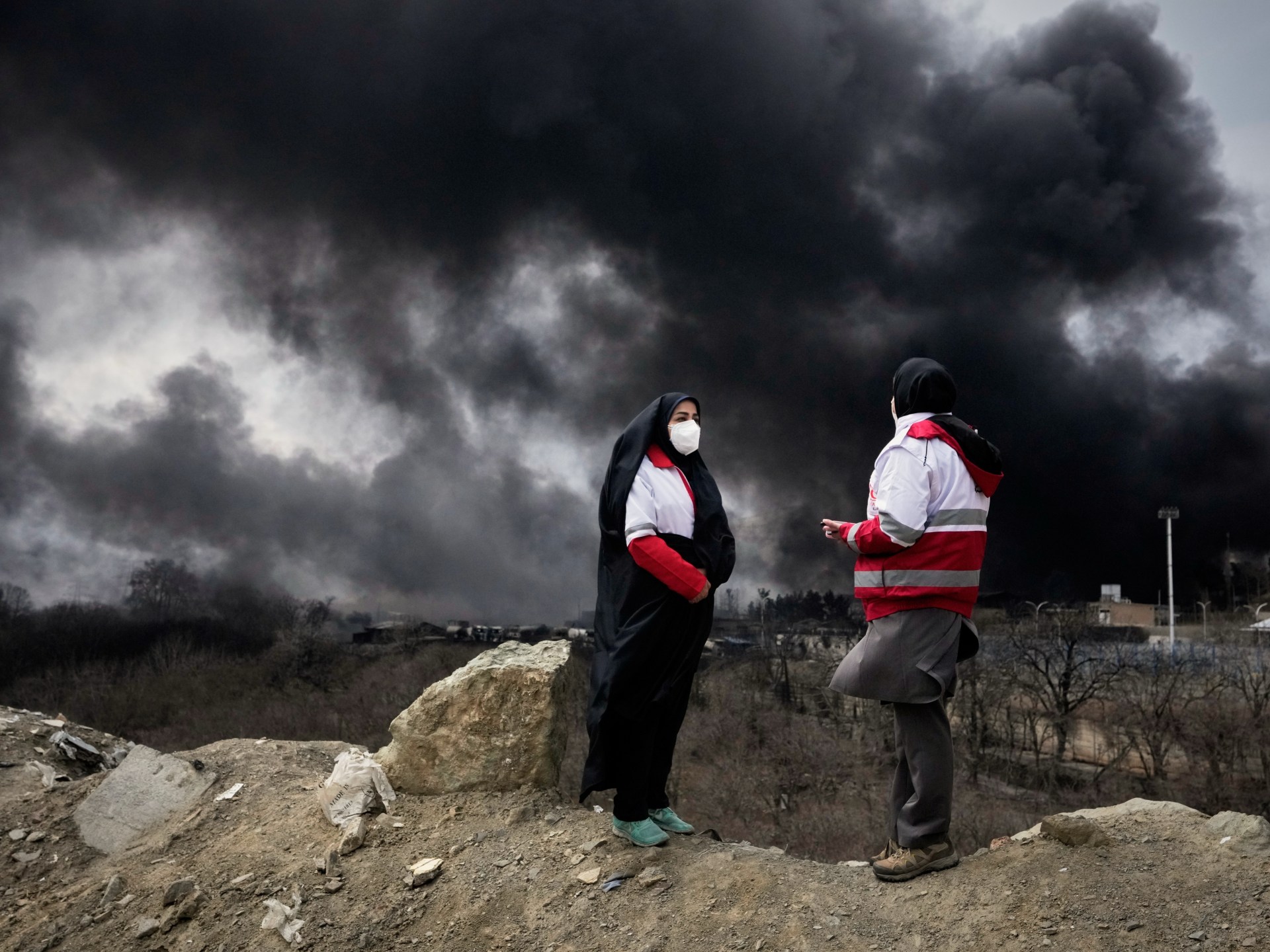
Aftermath in Iran of US and Israeli air strikes
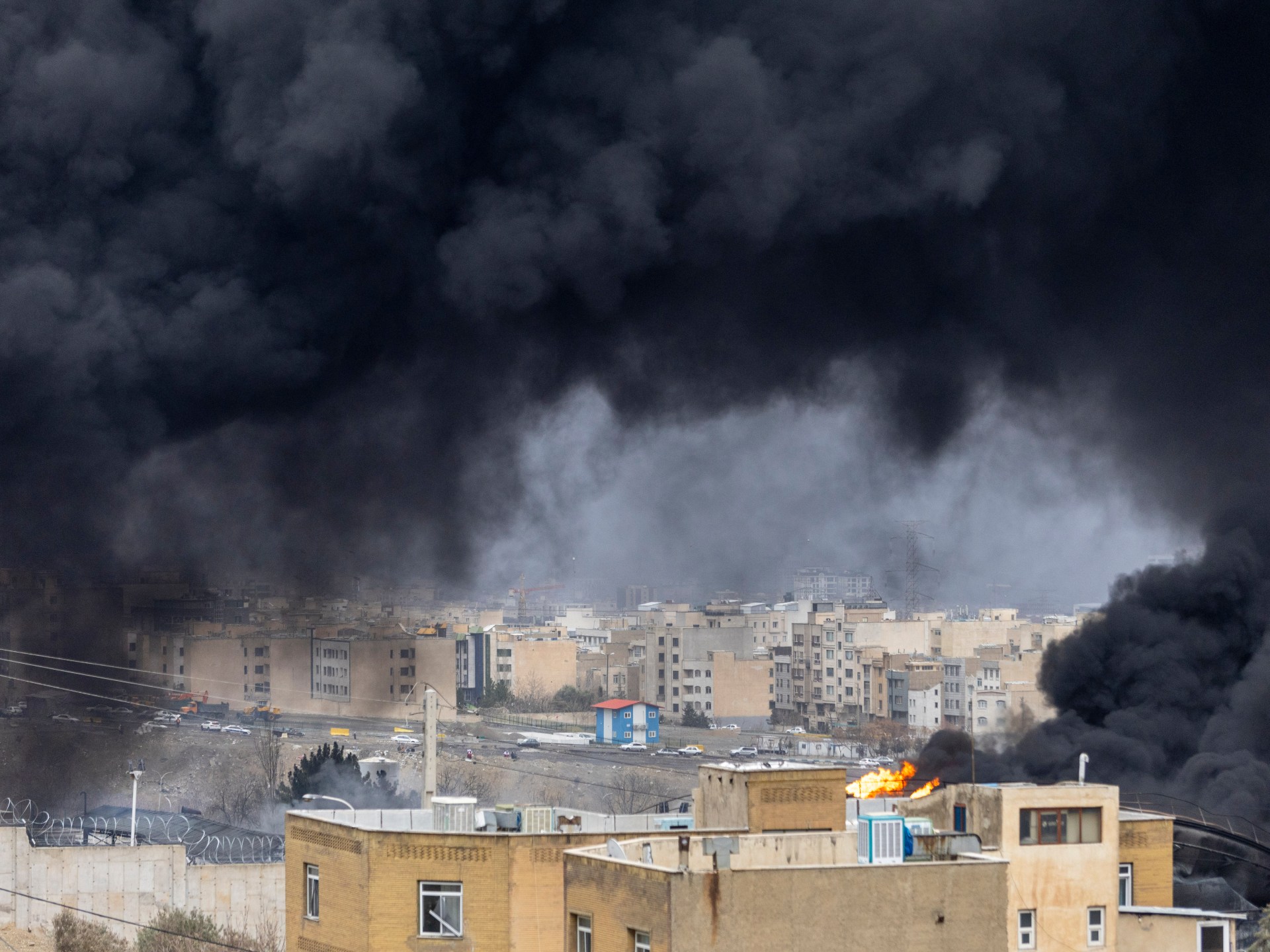
Iran vows to make Trump pay for ‘grave miscalculation’ if US escalates war
Israel kills more than 100 Lebanese as it commands Beirut residents to flee