How Xi-Trump summit failed to yield Iran war breakthrough
 15 May 2026
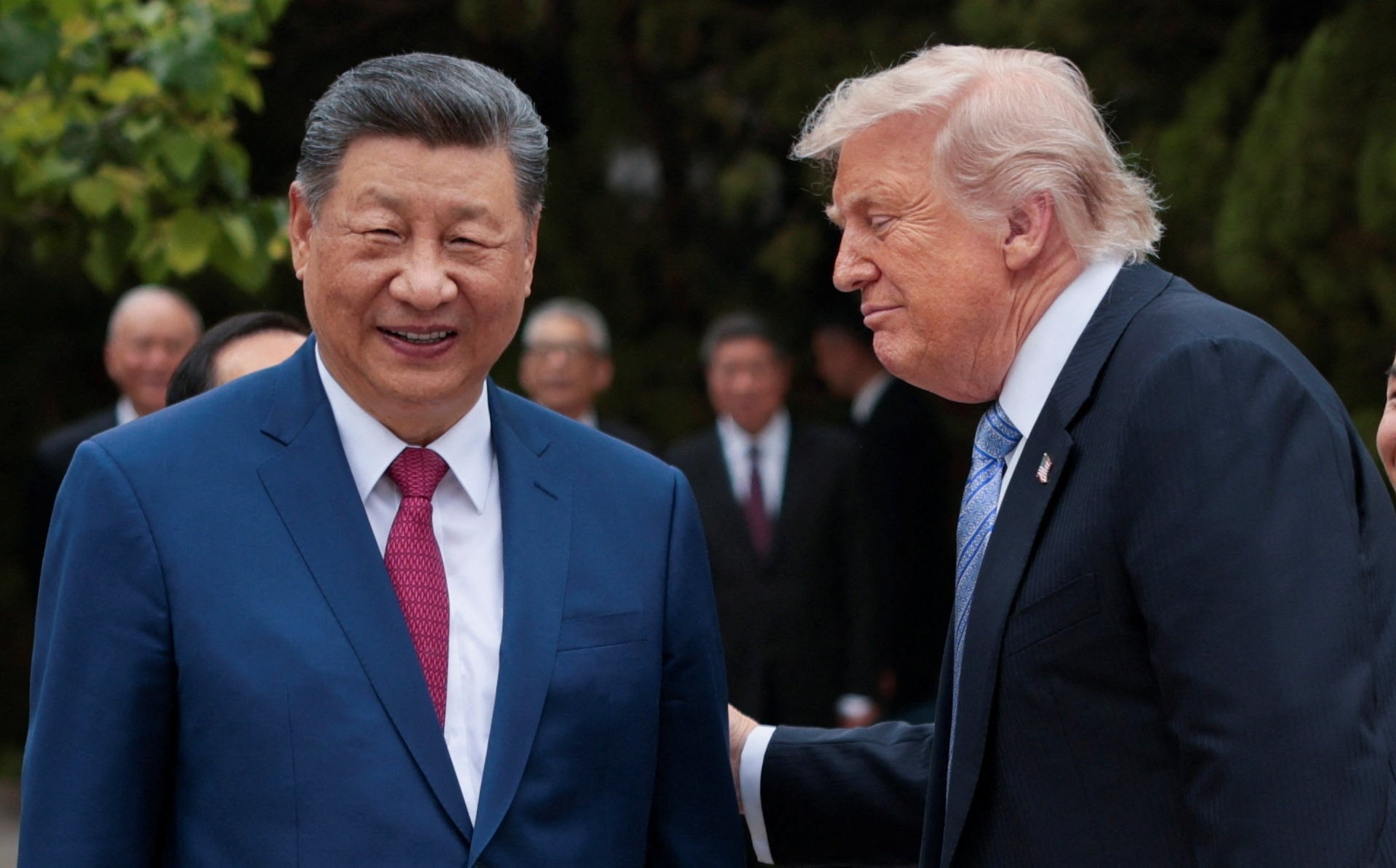

For weeks leading up to United States President Donald Trump’s visit to Beijing, his administration has been pressing China to lean on Iran amid negotiations aimed at reaching a peace deal between Washington and Tehran.
Yet as Trump departed from Beijing on Friday afternoon on board Air Force One after a little more than 40 hours in the Chinese capital and a series of meetings with President Xi Jinping, there was little evidence that the world’s two most powerful nations had forged any agreement on how to end the war on Iran.
Meanwhile, the war itself is now in its 77th day.
Here is what both sides said on the war during the Trump-Xi summit, how they differed, and where that leaves efforts to end the conflict in the Middle East.
The war on Iran began on February 28 when the US and Israel launched strikes on Iran amid talks between Washington and Tehran over Iran’s nuclear programme. Iran hit back the same day with missile and drone attacks across the region, including targets in Israel as well as US military assets in Bahrain, Kuwait, Saudi Arabia, Qatar and the United Arab Emirates.
The Trump administration has insisted that the war was justified, and aimed at preventing Iran from securing a nuclear weapon — even though Tehran has repeatedly publicly said that it has no intention of building one.
But China, which has previously also condemned the war, doubled down on its opposition to the conflict, in a statement issued while Trump was in Beijing.
Advertisement
“China’s position on the Iran situation is very clear. The conflict has inflicted severe losses on the people in Iran and other regional countries,” said the Chinese Ministry of Foreign Affairs in a statement posted on its X account.
More than 3,000 Iranians have been killed over the course of the war, according to government figures.
“To find an early way to resolve the situation is in the interest of not only the US and Iran, but also regional countries and the rest of the world,” the Chinese statement said.
The statement added that China welcomes ongoing ceasefire efforts — which Pakistan is mediating — and believes that dialogue is the way forward. “It is important to reach a comprehensive and lasting ceasefire as soon as possible,” the statement added.
It pointed to a four‑point plan for Middle East peace and stability that Xi had earlier pitched, calling for peaceful coexistence, politically negotiated settlements, shared security and development‑driven cooperation. It added that China will continue to act in line with this plan.
The White House said in a statement, posted to its X account on Thursday: “The two sides agreed that the Strait of Hormuz must remain open to support the free flow of energy.”
Since early March, Iran has restricted shipping through the strait, a narrow waterway linking Gulf oil producers to the open ocean and through which 20 percent of the world’s oil and liquefied natural gas (LNG) supplies were shipped before the war. Iran has allowed passage by vessels from select countries, but they are required to negotiate transit with the Islamic Revolutionary Guard Corps (IRGC).
In its previous proposals to end the war, Iran has proposed charging fees or tolls for vessels seeking to pass through the state. Washington has repeatedly rejected the prospect. In April, the US announced a naval blockade on ships entering or leaving Iranian ports, further adding to the disruption of global oil and gas supplies.
The White House statement added: “President Xi also made clear China’s opposition to the militarisation of the Strait and any effort to charge a toll for its use, and he expressed interest in purchasing more American oil to reduce China’s dependence on the Strait in the future.”
The Chinese Foreign Ministry acknowledged, in its statement, that “the conflict has put a heavy strain on global economic growth, supply chains, international trade order and the stability of global energy supply, which hurts the common interests of the international community”.
Advertisement
But the Chinese statement makes no reference to Iranian tolls or the militarisation of the strait.
The Trump-Xi meeting came amid a global energy crisis triggered by the closure of the Strait of Hormuz. China is one of the countries which rely heavily on Gulf oil shipped through the strait, and it is a major buyer of Iranian oil.
“Both countries agreed that Iran can never have a nuclear weapon,” the White House said in its statement.
The Chinese statement does not explicitly mention that Iran should never have a nuclear weapon. Instead, it says: “It is important to steady the momentum in easing the situation, keep to the direction of political settlement, engage in dialogue and consultation, and reach a settlement on the Iranian nuclear issue and other issues that accommodates the concerns of all parties.”
Iran has never officially declared an intention to seek nuclear weapons, and China had previously worked with the US, European nations and Russia in securing the Barack Obama-era nuclear deal with Iran, aimed at capping Tehran’s nuclear programme. Iran is believed to have about 440kg (970lb) of uranium enriched to 60 percent. A 90 percent threshold of enriched uranium is needed to produce a nuclear weapon.
The statements issued by both sides indicate that, in essence, neither side has budged from their original positions on Iran. China has made it clear that it will stick to Xi’s four-point plan, while the US has reiterated its opposition to Iran’s nuclear programme.
That’s not what the US wanted, public statements by its leaders suggest.
After pushing China for weeks to take on a more active role in convincing Iran to open the Strait of Hormuz, Trump administration officials had — in the immediate lead-up to the summit — said they didn’t need Beijing’s help.
Speaking to reporters on Tuesday, Trump said, “I don’t think we need any help with Iran” and said that the US will win the war “one way or the other”. Also on Tuesday, US Defense Secretary Pete Hegseth testified in Capitol Hill hearings over the Iran war and its rising costs on Tuesday. During his testimony, he said that China has “a lot of leverage” over Iran. However, he acknowledged that, “I think the most influence is in President Trump’s hands.”
But both before and during the summit, other senior officials in the Trump administration have been more direct in their requests of China.
“The attacks from Iran have closed the strait. We are reopening it. So I would urge the Chinese to join us in supporting this international operation,” US Treasury Secretary Scott Bessent said last week.
And on Thursday, while in China, US Secretary of State Marco Rubio said Washington would nudge Beijing to do more — while insisting that the US did not need Chinese help.
“It’s in their interest to resolve this,” Rubio said, referring to China and its dependence on the Strait of Hormuz as a passage for energy imports. “We hope to convince them to play a more active role in getting Iran to walk away from what they’re doing now and trying to do now in the Persian Gulf.”
Advertisement
Related News
Duststorms and lightning kill at least 96 people in northern India
US said to be withdrawing 5,000 troops from Germany over Iran war spat
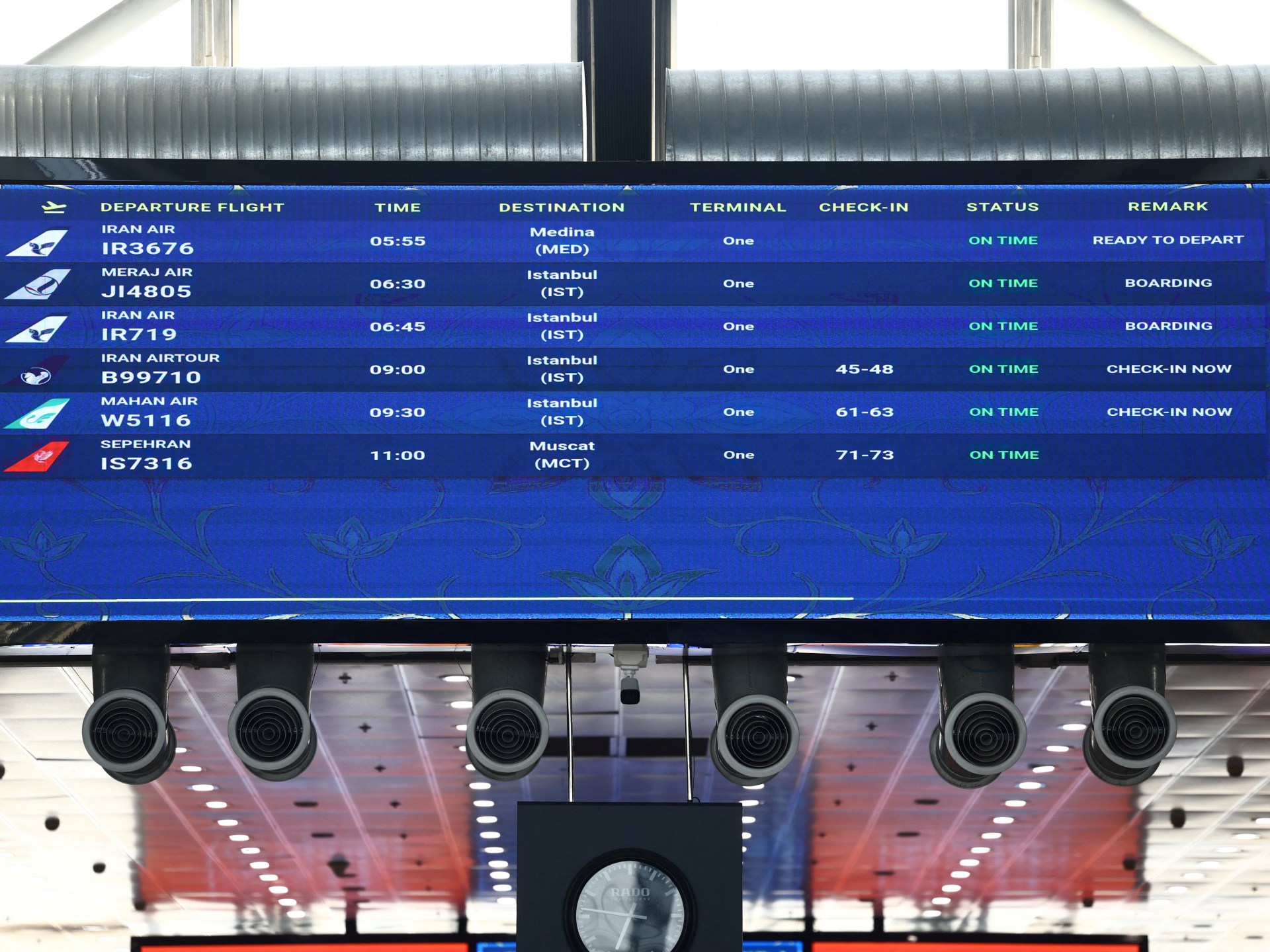
Commercial flights from Tehran’s main airport resume amid cautious normalcy