
High surf advisory for the British Virgin Islands, Anguilla, Antigua and Barbuda
 24 February 2026
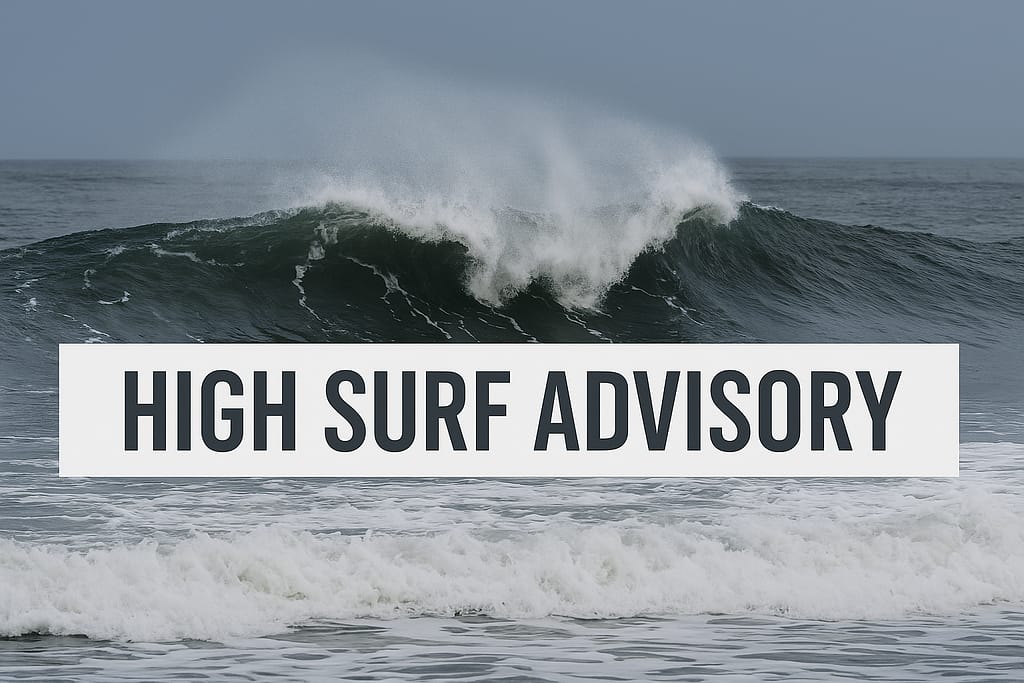



…High surf advisory for the British Virgin Islands, Anguilla, Antigua and Barbuda…

Locations to be affected: Reefs and exposed northern and northwestern-facing coastlines with relatively shallow, gently to moderately sloping, nearshore areas.
Timing: From Wednesday pre-dawn until Saturday pre-dawn for the British Virgin Islands
From Wednesday pre-dawn until Saturday midnight for Anguilla
From Wednesday pre-dawn until Saturday pre-dawn for Barbuda
From Wednesday night until Friday evening for Antigua

Synopsis: Moderate long-period swells are reaching the area and causing hazardous conditions along mainly northern and northwestern-facing coastlines.

The threat level to the life, livelihood, property and infrastructure of those using the affected coastlines is moderate with the potential for significant impacts.
These swells could cause life-threatening surfs and rip currents on affected coastlines. A high surf advisory means that dangerous surfs of 2 to 3 metres or 6 to 10 feet will affect some coastlines in the advisory area, producing hazardous conditions.

Seas (significant wave heights): 1.8 to 3.1 metres (6 to 10 feet), occasionally or locally reaching near 3.7 metres (12 feet). Swell period: 10 to 14 seconds. Swells: North- northwest at 1.5 to 2.1 metres (5 to 7 feet) and occasionally higher.
Surfs (breaking swells): Over 1.8 metres (over 6 feet). These conditions are conducive to dangerous rip currents. Please note that surfs could be as much as twice the height of swells, depending on the bathymetry of the nearshore areas.

Coastal flooding: High tides combined with onshore wind and swell actions could result in localised coastal flooding and beach erosion.
Potential Impacts: Loss of life, strong currents that can carry even the strongest swimmers
Precautionary: Beachgoers, especially to the mainly affected coastlines, should be extremely cautious; bathe only where lifeguards are present or on the sheltered, less affected beaches, mainly to the south. Extreme caution is also required by those using the affected non-beach or rocky coastlines.
Rip currents are powerful channels of water flowing quickly away from shore, which occur most often at low spots or breaks in the sandbar and near structures such as groins, jetties and piers.
If caught in a rip current, relax and float. Don’t swim against the current. If able, swim in a direction following the shoreline. If unable to escape, face the shore and call or wave for help
Advertise with the mоѕt vіѕіtеd nеwѕ ѕіtе іn Antigua!
We offer fully customizable and flexible digital marketing packages.
Contact us at [email protected]

Related News

Festivals Minister Hails Khan Cordice as Exodus Claims Back-to-Back Panorama Titles in Tri...
Major Water Infrastructure Overhaul Planned for St. John’s, Light and Internet Getting A...

Caricom Chairman Dr Terrence Drew explains his frequent travels