
Greene: Climate Justice Now Antigua and Barbuda’s Top Foreign Policy Priority
 27 January 2026
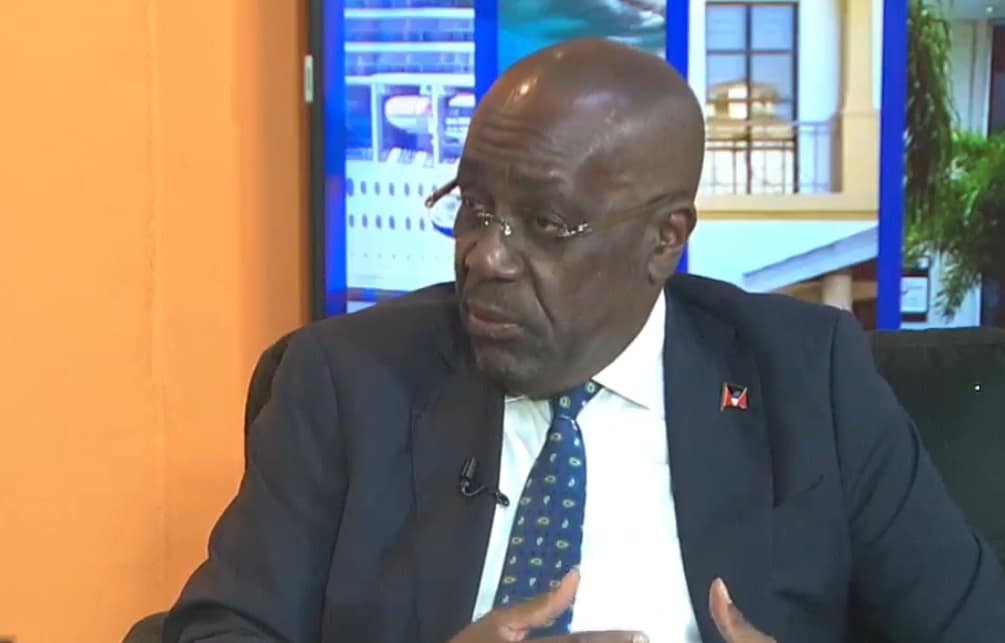

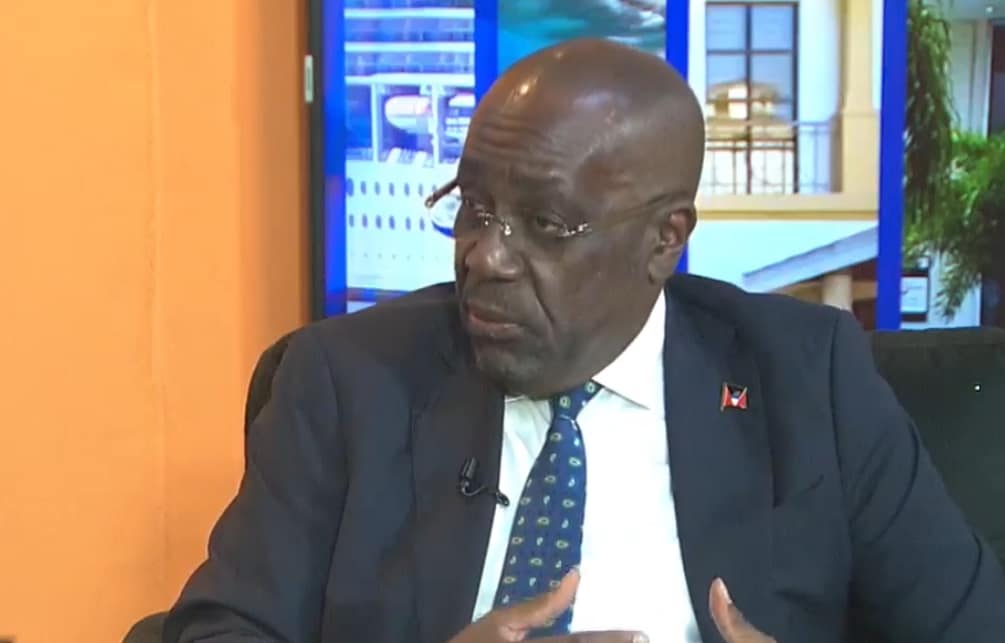



Climate justice has become the central pillar of Antigua and Barbuda’s foreign policy, with survival now guiding the country’s diplomatic engagement, Foreign Affairs Minister E.P. Chet Greene said during a televised interview Monday night.

Speaking on Government in Motion, Greene said Antigua and Barbuda has deliberately redefined its foreign policy priorities to reflect the existential threat posed by climate change, moving beyond ceremonial diplomacy to a strategy rooted in national survival.
“Climate justice strikes at the heart of our very existence,” Greene said. “If we can’t exist, we can’t do anything else.”

He said rising global emissions—produced largely by major industrialized nations—are having immediate and damaging effects on small island states that contribute minimally to the problem. Greene pointed to coastal erosion, intensifying storms and environmental degradation as realities already being felt across Antigua and Barbuda and the wider Caribbean.

According to the minister, Antigua and Barbuda is pressing the international community to translate commitments made at global climate forums into concrete action, particularly on financing for loss and damage. He said repeated pledges by large emitting countries have often failed to materialize, leaving vulnerable states to shoulder rebuilding costs on their own.
“We see a lot of talk at the level of the COP and other international fora, but very little delivery in terms of pledges and promises,” Greene said. “We cannot afford to stop making the case. This is about equality on a shared planet.”

Greene also linked climate justice to the broader reform of the global financial system, arguing that Antigua and Barbuda’s classification as a high-income country has restricted access to concessional financing, despite its vulnerability to climate shocks.
He said the government is advocating for the adoption of a Multidimensional Vulnerability Index, which would measure a country’s exposure to climate and economic shocks alongside traditional income indicators.

“GDP does not capture vulnerability,” Greene said, noting that repeated hurricane damage and rebuilding cycles have left small states borrowing at commercial rates, slowing long-term development.
The minister said climate justice now sits above all other foreign policy concerns, including trade and geopolitical relations, because without environmental security, national progress cannot be sustained.
“This is not theoretical,” Greene said. “It is here, it is now, and it affects our ability to protect our people and our future.”
Advertise with the mоѕt vіѕіtеd nеwѕ ѕіtе іn Antigua!
We offer fully customizable and flexible digital marketing packages.
Contact us at [email protected]

Related News

ABLP Opens St. Philip’s North Branch Centre in Willikies

U.S. Embassy Bridgetown Condemns Cuban Medical Program as Exploitative

Urgent Appeal Issued for O-Negative Blood Donations