Five women killed every hour globally by partner, relative last year: UN
 24 November 2026
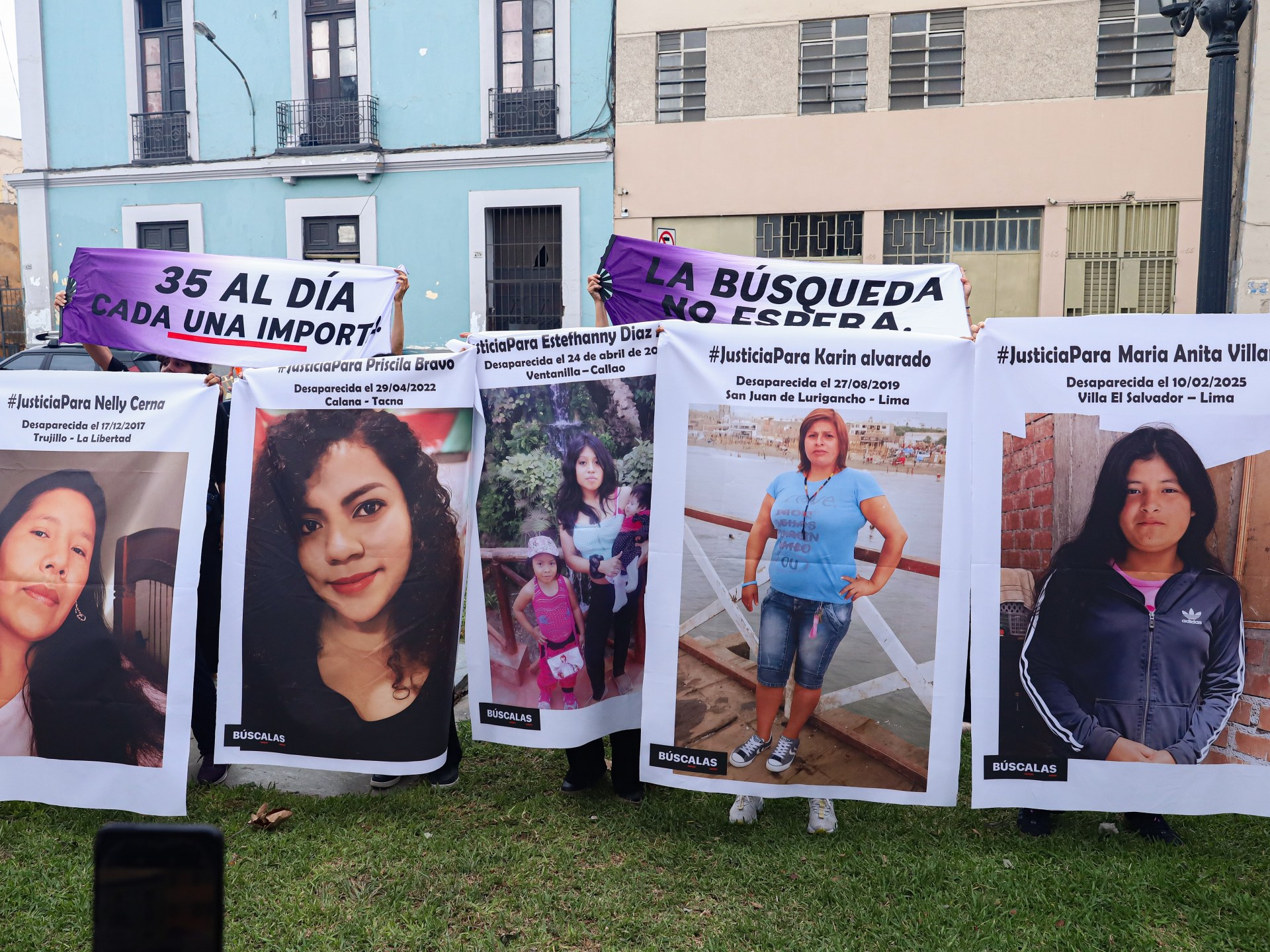

Home remains the most dangerous place for a woman or girl, ‘a pattern that has barely shifted in years’, UN Women says.
About 47,000 women and girls were killed intentionally by an intimate partner or family member last year, according to new data from the United Nations Office on Drugs and Crime (UNODC) and UN Women.
The 2026 Femicide Brief, published on Tuesday, marked the International Day for the Elimination of Violence against Women.
- list 1 of 4Pakistan urged to declare femicide emergency amid surge in killings
- list 2 of 4Fear and anger in South Africa as bodies of nine women found: What we know
- list 3 of 4South African police discover body of 11th woman near Johannesburg
- list 4 of 4South African president orders action on femicide after killings
end of list
The report found that home remains the most dangerous place for a woman or girl, “a pattern that has barely shifted in years”, UN Women said in a statement.
About 60 percent of last year’s 78,000 femicides were committed by an intimate partner or family member. That amounts to five women being killed every hour, or 129 per day, on average.
While the 47,000 figure is lower than the 2024 estimate of 50,000 victims, this change is largely due to improvements and not indicative of an actual decrease, the UN statement said.
The femicides took place across the globe, with no region safe from such violence.
“Africa remains the continent with the highest rate of victims of intimate partner/family member femicide (2.9 victims per 100,000 female population), followed by the Americas (1.4 victims), Oceania (1.1 victims), Asia (0.6 victims), and Europe (0.5 victims),” UN Women said.
“For far too long, we have seen alarming statistics,” Executive Director of UNODC Monica Juma said in the statement. “Frightening attitudes, social norms, and the failure of institutional safeguards create an environment in which killing a wife, daughter, mother, or sister becomes ‘tolerable’.”
Advertisement
Juma called for action across all levels of society, including strategies targeted at changing societal behaviour and harmful attitudes, and investing in specialised programmes and interventions to “deal with perpetrators of domestic violence, protect women, and secure their human rights and dignity”.
Femicide is rarely an isolated act, but rather the final one in a long pattern of violence, threats, and abuse, said UN Women. Yet, most women and girls never seek help or are left without protection, while “perpetrators escape justice their entire lives”.
“We must ensure women can report violence safely, access protection, and receive support before it is too late,” said UN Women Executive Director Sima Bahous. “When warning signs go unreported, cases are not properly investigated, women and girls are not protected and perpetrators are not brought to justice, the consequences can be fatal.”
The UN has found that while homicide rates globally have declined, femicide rates have done so at a slower pace.
In fact, between 2010 and last year, homicide rates declined nearly twice as fast as femicide rates in the Americas, and about 1.5 times as fast in Europe.
Related News
EU and Britain to agree steps towards relations reset
Nine die in ‘cataclysmic’ Florida business jet crash

How US oil firms profit $130bn from Iran war as household bills surge