
Ex-rapper Balendra Shah sweeps to power in Nepal landslide election victory
 12 March 2026
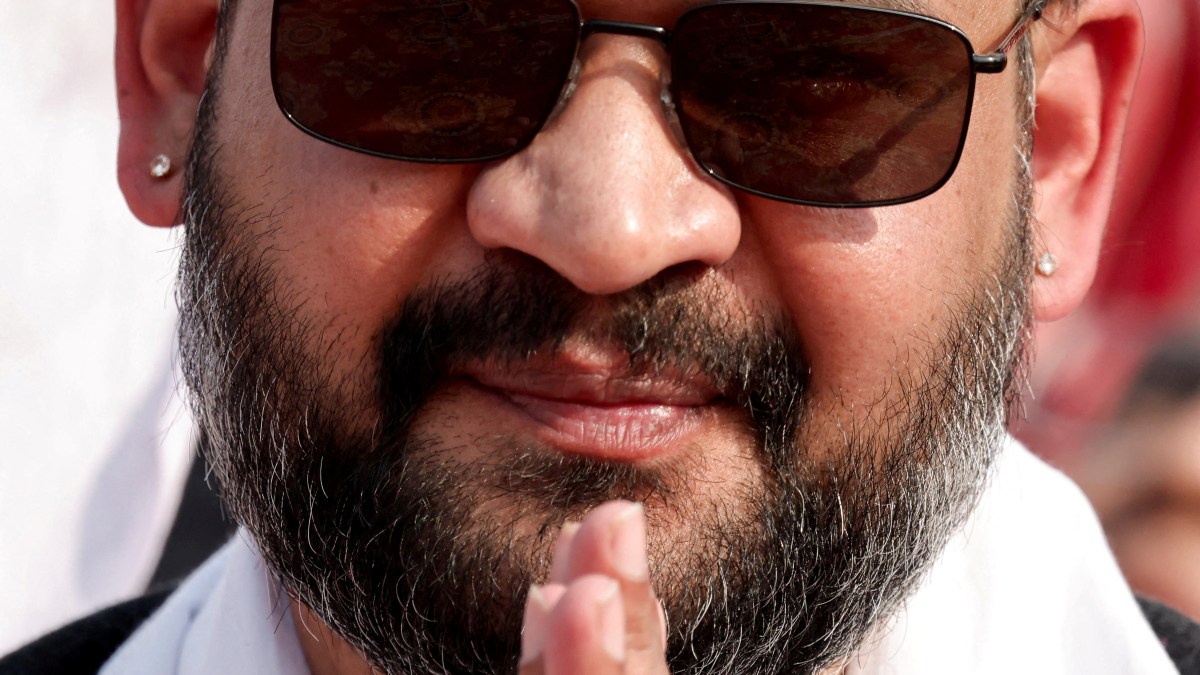

A political party led by a rapper-turned-politician has won a sweeping parliamentary majority in Nepal, official results show, capping one of the most dramatic elections in the country’s recent history.
The Rastriya Swatantra Party of Balendra Shah, a 35-year-old former civil engineer and hip-hop artist known simply as “Balen”, secured 182 seats in the 275-member lower house of parliament, the Election Commission said on Thursday, with 125 won directly and a further 57 through proportional representation.
- list 1 of 2Nepalese vote in general election months after Gen Z uprising
- list 2 of 2Rapper-turned-politician Balen Shah’s RSP heads for poll landslide in Nepal
end of list
The Nepali Congress party finished in second place, with 38 seats. The Marxist party of veteran four-time Prime Minister Khadga Prasad Sharma Oli, whose government was ousted in a youth-led uprising last year, won just 25 seats.
Shah himself defeated the 74-year-old Oli in his own constituency.
Oli, who had dominated Nepali politics for years, congratulated his rival on X, wishing him a “smooth and successful” term.
The September 2025 protests that reshaped the country’s political landscape were initially set off by a government ban on social media, but rapidly swelled into a mass movement against corruption and economic stagnation, leaving at least 77 people dead.
Shah, whose music had long targeted those same grievances, emerged as a figurehead of the unrest, his song Nepal Haseko, or Nepal Smiling, accumulating more than 10 million YouTube views during the turmoil.
His path to likely prime minister, from engineer to rapper to Kathmandu’s first independent mayor in 2022, reflects a generational shift in a country where more than 40 percent of the nearly 30 million population is under 35, yet whose established party leadership has long remained in its 70s.
Shah said his victory was a signal of refusal to take “the easy way out” and a reckoning with the “problems and betrayals that have affected the country.”
Advertisement
The RSP, founded the same year as his mayoral win, ran a highly organised campaign backed by diaspora funding, particularly from Nepali communities in the United States.
Nepalese journalist Pranaya Rana described Shah to Al Jazeera as embodying “the outsider spirit that many young Nepalis are looking for to shake up the status quo.”
India’s Prime Minister Narendra Modi called the vote a “proud moment” in Nepal’s democratic journey, pledging close cooperation with the incoming government.
Under Nepal’s constitutional process, parties must now submit names to fill proportionally allocated seats before parliament is formally summoned by the president. A new prime minister, who will need the support of at least half of all members, is not expected to be confirmed for several days.
Related News
Iran’s authorities warn against protests as Israel threatens Basij forces

Ukraine to help down Iran’s drones: How Russia’s war rewrote the playbook

UK home secretary bans al-Quds march in London after Met Police request