Eighteen suspects extradited to US over Haitian president’s 2021 killing
 20 September 2026
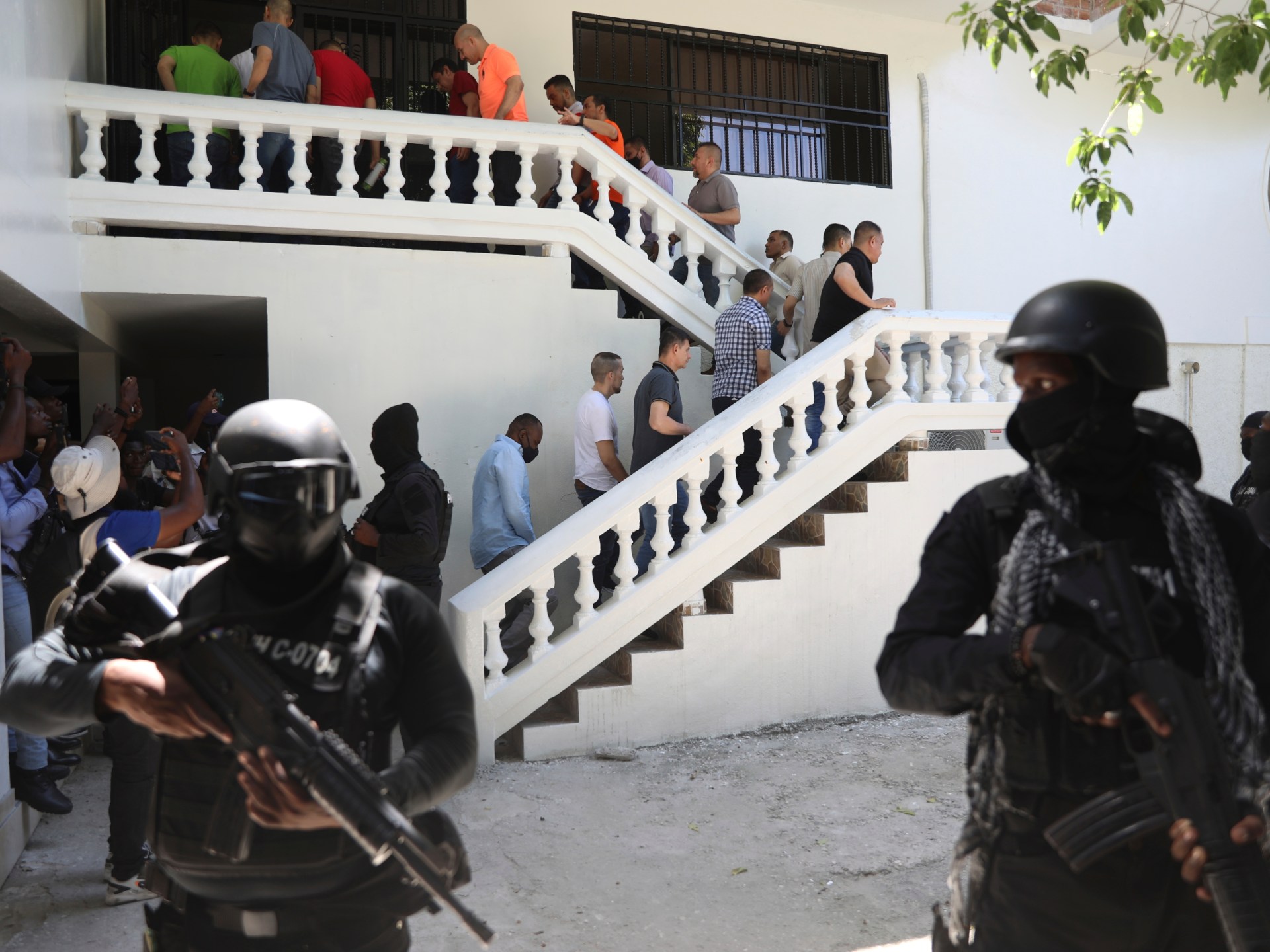

Eighteen suspects facing federal charges for the 2021 assassination of Haitian President Jovenel Moise have been flown to the United States.
A military flight on Sunday transported the suspects from the Haitian capital, Port-au-Prince, to the US state of Florida, where the defendants are set to stand trial for their alleged involvement in the transnational plot to kill the former leader.
The major development comes after federal prosecutors in the US Attorney’s Office for the Southern District of Florida successfully secured convictions in May against what they called “gang leaders” and “co-conspirators” implicated in the scheme to kill Moise.
The high-profile investigation is being directed by US Attorney Jason A Reding Quinones, an appointee of US President Donald Trump.
“Today marks the next major phase in our pursuit of accountability for the assassination of President Jovenel Moise,” Quinones wrote on social media. “We will follow the evidence wherever it leads, to those who financed it, facilitated it, supported it or committed crimes to make it possible. Five years later, we are still bringing defendants before American courts, and we are not finished.”
Quinones did not immediately identify the suspects being extradited, but those who remain in Haiti awaiting trial include more than a dozen Colombian soldiers and a former Haitian government official.
Quinones said that the FBI and others “remain steadfast in ensuring that all individuals who allegedly sought profit from the assassination of a head of state are held fully accountable”, with FBI Special Agent in Charge Brett Skiles confirming that multiple arrests in the US and abroad were made on Sunday.
Moise, 53, had been shot dead overnight at his private residence in the Pelerin 5 neighbourhood, in the hills above Port-au-Prince in July 2021, while his wife was critically injured. His killing caused a profound political vacuum that left the Caribbean nation devoid of any elected national leader. Capitalising on this institutional collapse, armed gangs have rapidly expanded their influence, ultimately consolidating control over an estimated 90 percent of Port-au-Prince.
Advertisement
At least 8,100 gang killings were documented in 2025, with insecurity displacing about 1.5 million people, according to the United Nations.
Legal jurisdiction was established by US federal courts in Florida, the closest US state to Haiti, because the overarching plot to assassinate Moise had been primarily engineered, financed, and staged out of the southern part of the state, according to federal prosecutors.
A fair trial inside Haiti had also grown increasingly impossible owing to the ongoing security collapse and entrenched graft stemming from intense gang violence, political chaos and overlapping humanitarian crises that have severely paralysed and hollowed out the judicial system.
In Haiti, prominent human rights activist and executive director of the National Human Rights Defense Network Pierre Esperance said that the transfer of the 18 suspects to the US was a “disgrace for the Haitian justice system”, and called for an overhaul of the judicial system to allow such complicated cases to be tried inside Haiti in the future.
In May, a jury in Florida convicted four men in the killing, and at least five others have pleaded guilty and are serving life sentences.
No national elections have been held in Haiti since Moise’s assassination.
Related News
Pope Leo heads to France amid assisted dying, abuse debates
Yemeni forces target Houthis and a Saudi base as US rules out direct role
Rubio: No direct link between US bombers removal and UK base incident