Colombia peace tribunal charges ex-FARC members with anti-Indigenous crimes
 13 October 2026
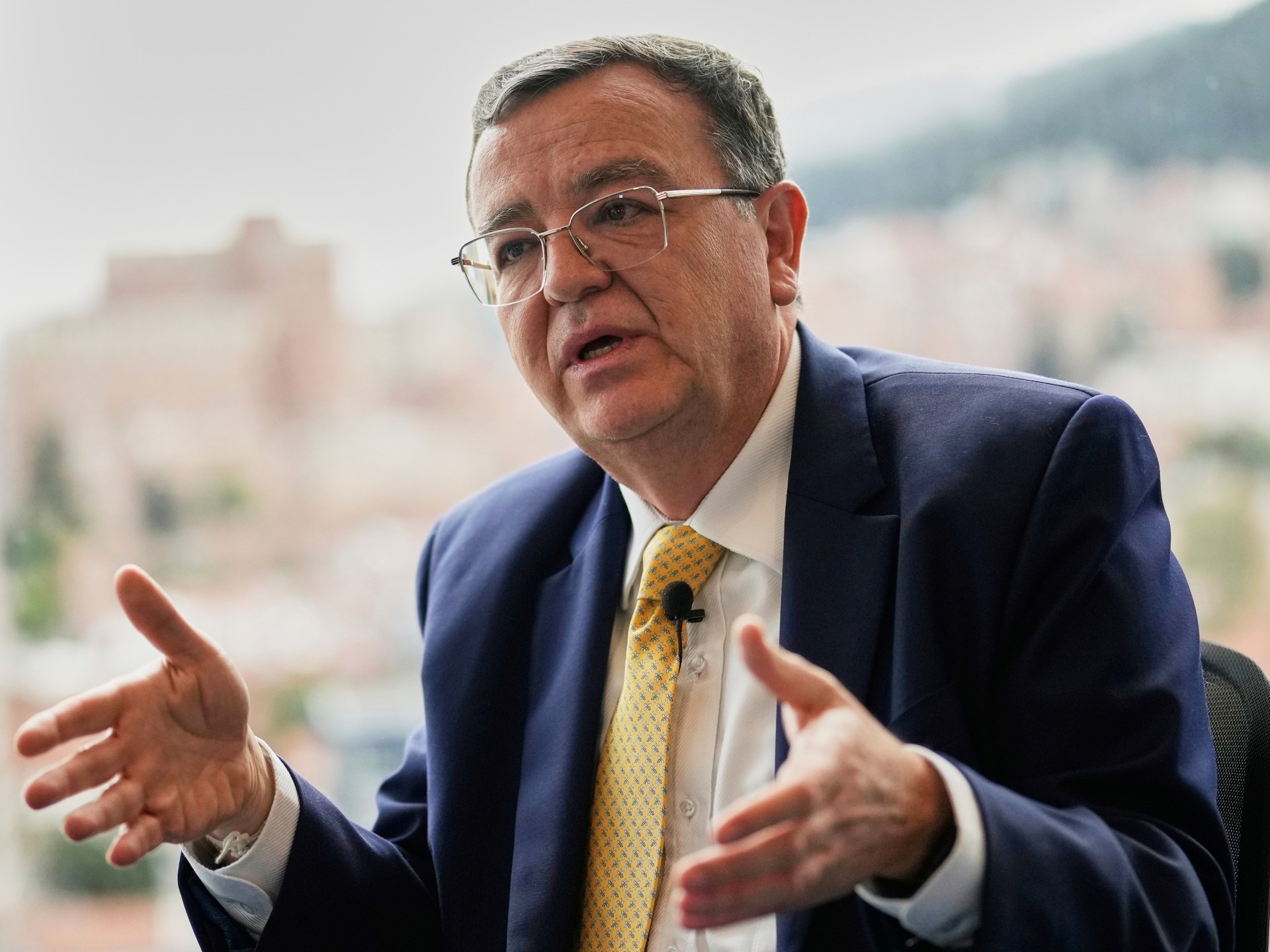

Colombia’s transitional justice system, established to address crimes committed during the country’s decades-long civil conflict, has indicted several former members of the Revolutionary Armed Forces of Colombia (FARC), formerly the country’s largest rebel group.
A group of 10 ex-rebels were charged on Tuesday with alleged war crimes and crimes against humanity between 1996 and 2016.
- list 1 of 3Colombia extradites leader of armed group to US in shift towards Washington
- list 2 of 3Three minors killed in Colombia armed group crackdown
- list 3 of 3Car bomb attack rattles Colombia after inauguration of hardline president
end of list
The Special Jurisdiction for Peace (JEP), the transitional justice tribunal, said that the accused had carried out crimes of torture, murder and forced displacement against five Indigenous groups in southeast Colombia.
“Today we are delivering justice to the most forgotten peoples of a segregated Colombia,” JEP magistrate Catalina Diaz said.
She explained that FARC commanders had ordered subordinates to plant landmines on Indigenous territory and ruin ecosystems the tribes relied on for survival.
“These people have had their basic right to exist compromised,” Diaz added.
The indictment is the latest example of Colombia’s efforts to reckon with the abuses and violence of a civil conflict that lasted for more than half a century, resulting in severe rights abuses.
Since the 1960s, left-wing rebels, government security forces, criminal networks and government-aligned right-wing paramilitaries have clashed over efforts to control territory and shape the country’s power structure.
Indigenous communities and activists continue to face violent attacks in Colombia today. Continued fighting has also led to an ever-growing death toll.
Advertisement
A 2022 report from Colombia’s Truth Commission found that 450,664 people were killed between 1985 and 2018 as a result of the conflict. An additional 121,768 people were forcibly disappeared.
Indigenous activists and community leaders hailed JEP’s decision on Tuesday as an acknowledgement that their communities were targeted.
“For the first time, the Colombian state recognises that [armed groups] did not just kill individuals,” said Yhon Jairo Figueroa, a leader of the Koreguaje tribe. “But they attempted to kill the knowledge, the language, the territory.”
Three of those accused are also former members of the last secretariat of the FARC, which reached a peace deal with the government in 2016 that included disarmament.
Critics of the deal and its implementation say that many of those responsible for abuses have escaped accountability. Some FARC fighters who refused to accept the agreement have since formed splinter groups that continue to fight in the conflict.
The 2016 deal ultimately granted the former rebels 10 seats in Colombia’s Congress to address the FARC’s political concerns.
One of the suspects indicted Tuesday was Julian Gallo, who served eight years as a senator under that deal.
The JEP, for its part, can impose only non-prison penalties. Last year, for instance, it sentenced seven ex-FARC members accused of kidnapping to eight years of reparations, including landmine clearing and helping to find missing persons.
Separately, JEP also sentenced former military members to reparation work for their involvement in the killing and disappearances of civilians, who were then tallied as rebels in government records. Those systemic misrepresentations became known as the “false positives” scandal.
But critics warn that threats to JEP’s existence loom under Colombia’s newly inaugurated far-right President Abelardo de la Espriella.
Allies of de la Espriella have proposed a nearly 17 percent cut to JEP’s funding for fiscal year 2027. Such budget reductions are set to be weighed by Colombia’s Congress this month.
Before taking office in August, de la Espriella served as a defence lawyer, in some cases representing right-wing paramilitaries. He has criticised the JEP, accusing it of issuing lenient sentences.
Related News
Nationalist, conservative parties enjoy a boost in Bosnia and Herzegovina
Christa Pike was nearly taken off life support before waking, lawyers say
Who is Robert Kraft, pro-Israel billionaire who cancelled Macklemore?