
Antigua and Barbuda joins Barbados and Bahamas among top Caribbean passports
 13 January 2026
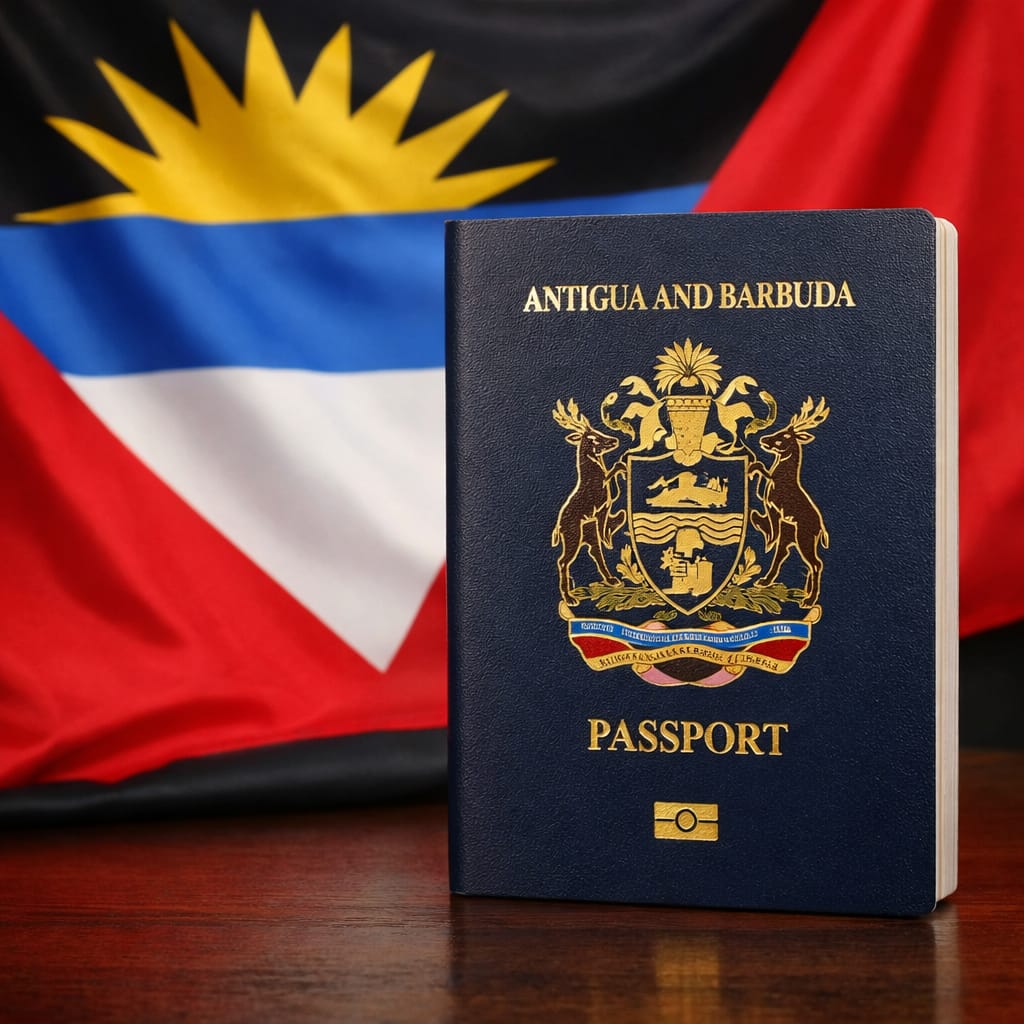

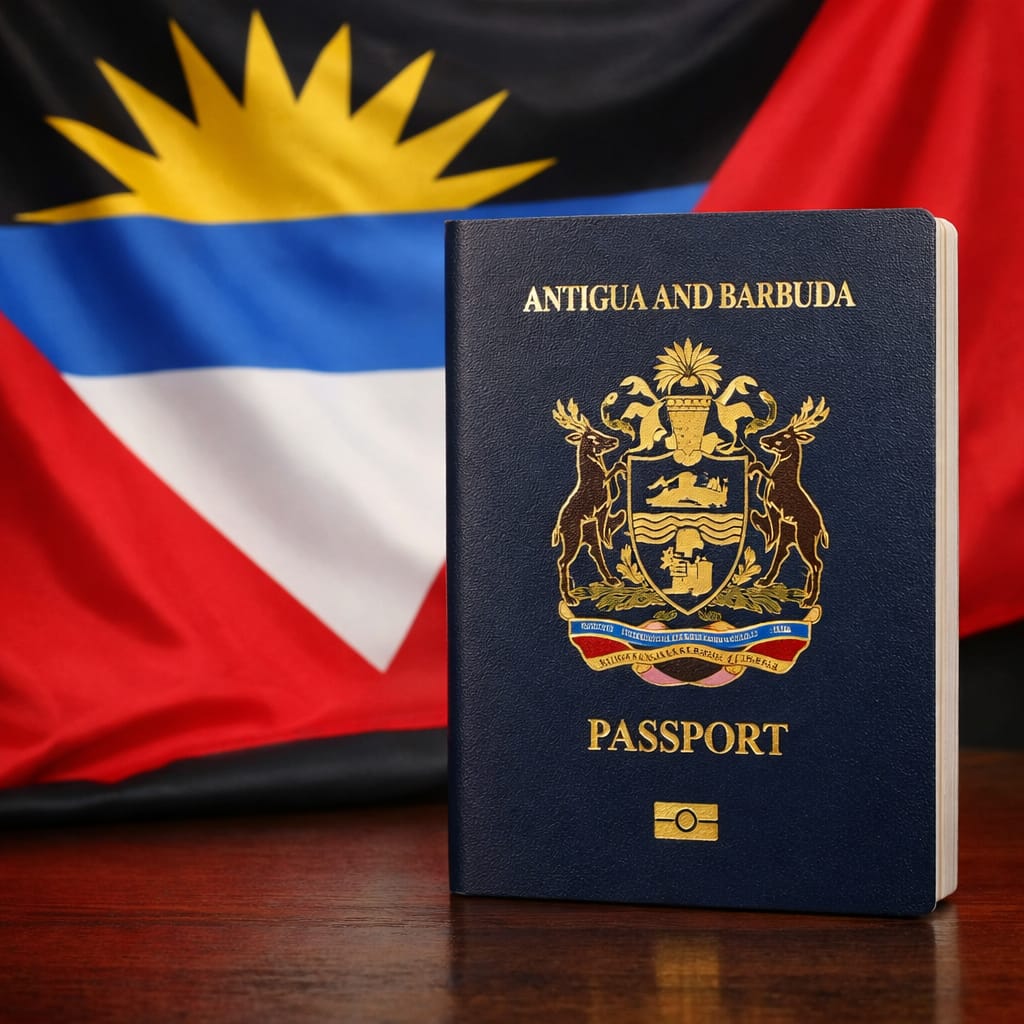



Antigua and Barbuda placed fourth among Caribbean nations on the 2026 Henley Passport Index, which ranks global passports by the number of destinations their holders can access without a prior visa.

The index, compiled using exclusive data from the International Air Transport Association, highlights significant differences in travel freedom across the region, with both OECS and non-OECS countries represented among the top performers.
- Barbados
The strongest passport in the Caribbean, leading the region in visa-free and visa-on-arrival access. - The Bahamas
Ranked second regionally, closely following Barbados in global mobility. - Saint Kitts and Nevis (OECS)
The highest-ranked OECS member state on the index. - Antigua and Barbuda (OECS)
Positioned among the region’s leaders, ahead of several larger Caribbean states. - Saint Vincent and the Grenadines (OECS)
Continues to perform strongly in global travel access. - Saint Lucia (OECS)
Maintains solid mid-tier Caribbean mobility. - Grenada (OECS)
Ranked just below Saint Lucia, reflecting similar visa-free access levels. - Dominica (OECS)
Places eighth regionally, ahead of several non-OECS countries. - Trinidad and Tobago
Falls outside the OECS but remains within the Caribbean top 10. - Jamaica
Rounds out the top 10, with fewer visa-free destinations than Eastern Caribbean peers.
Countries such as Guyana, Suriname, the Dominican Republic, Cuba, and Haiti ranked below the Caribbean top 10, with Haiti remaining the region’s most restricted passport in terms of global mobility.
The 2026 Henley Passport Index marks two decades since the ranking was introduced and underscores widening disparities in global travel access. While some Caribbean states continue to benefit from extensive visa-waiver agreements, others remain constrained by limited diplomatic reach and reciprocal access.

The rankings reinforce the OECS’ comparatively strong showing, with six of its member states appearing in the Caribbean’s top 10 — a notable concentration for a sub-regional bloc of small island states.
Caribbean passports continued to show a wide range of global travel freedom in the newly released 2026 Henley Passport Index, with Barbados and The Bahamas topping the region in visa-free access and several Organisation of Eastern Caribbean States (OECS) states ranking strongly among their peers.

The annual index, which ranks the world’s passports by the number of destinations their holders can enter without a prior visa using exclusive Timatic data from the International Air Transport Association, shows a clear hierarchy among Caribbean nations based on global mobility.
In 2026, Barbados maintained its position as the Caribbean’s most powerful passport. Barbadian citizens enjoy visa-free or visa-on-arrival access to more destinations than holders of any other regional passport, placing them among the top-tier globally. The Bahamas followed closely, holding the second-strongest Caribbean ranking.

Among OECS members, Saint Kitts and Nevis and Saint Vincent and the Grenadines ranked next in strength, forming a mid-to-upper tier of Caribbean mobility. Antigua and Barbuda also placed strongly, followed by Saint Lucia, Grenada, and Dominica, which occupy middle positions relative to other Caribbean passports.
Smaller jurisdictions such as Montserrat, a British Overseas Territory, appeared toward the lower end of the OECS grouping in terms of visa-free access, reflecting its distinct international travel status.
Several Caribbean countries outside the OECS ranked below these leaders in global mobility. Jamaica, Guyana, Suriname, the Dominican Republic, Cuba, and Haiti all registered fewer visa-free destinations on the 2026 index, with Haiti’s passport among the most restricted in the region.
The Henley Passport Index highlights differences in global mobility that mirror broader geopolitical and economic divides. While Caribbean nations vary widely in the strength of their passports, those with greater access tend to benefit from broader diplomatic networks and reciprocal visa arrangements. Conversely, nations with more limited access face barriers that affect ease of travel for business, education, and tourism.
The latest rankings underscore the continuing importance of passport power as a measure of international mobility, a factor that increasingly shapes personal and economic opportunity in a world where visa policies remain uneven.
Advertise with the mоѕt vіѕіtеd nеwѕ ѕіtе іn Antigua!
We offer fully customizable and flexible digital marketing packages.
Contact us at [email protected]

Related News

Lovell Cites Roads, Closed Clinic as Key Concerns in All Saints West New Year’s Message

Prime Minister Gaston Browne says he was forced to address allegations that reached the Wh...

OPINION: Caribbean Faces Rising Unemployment and Economic Uncertainty Amid Calls for Reform