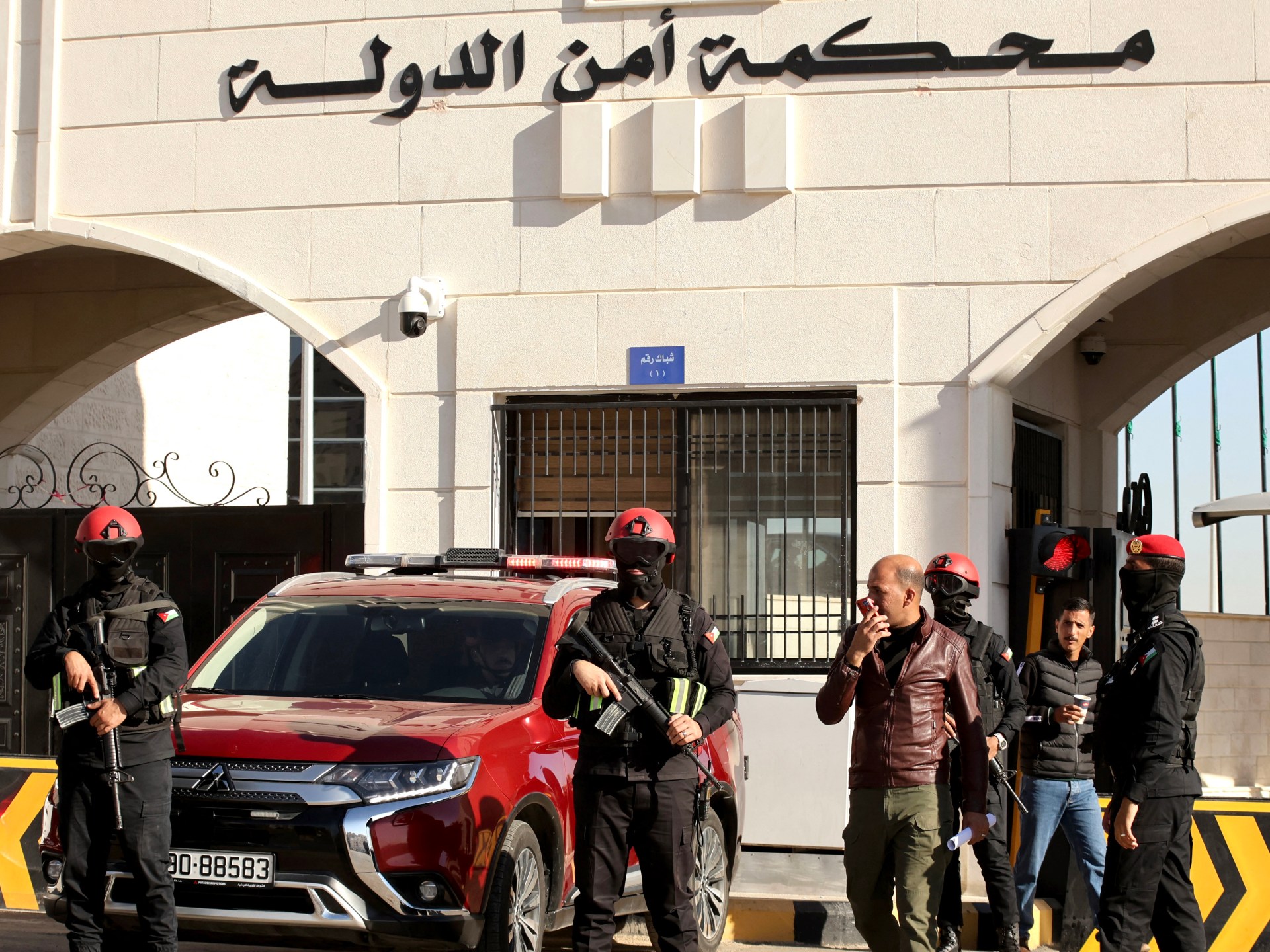
Gaza meningitis cases surge as collapsing infrastructure fuels health fears
 26 November 2026
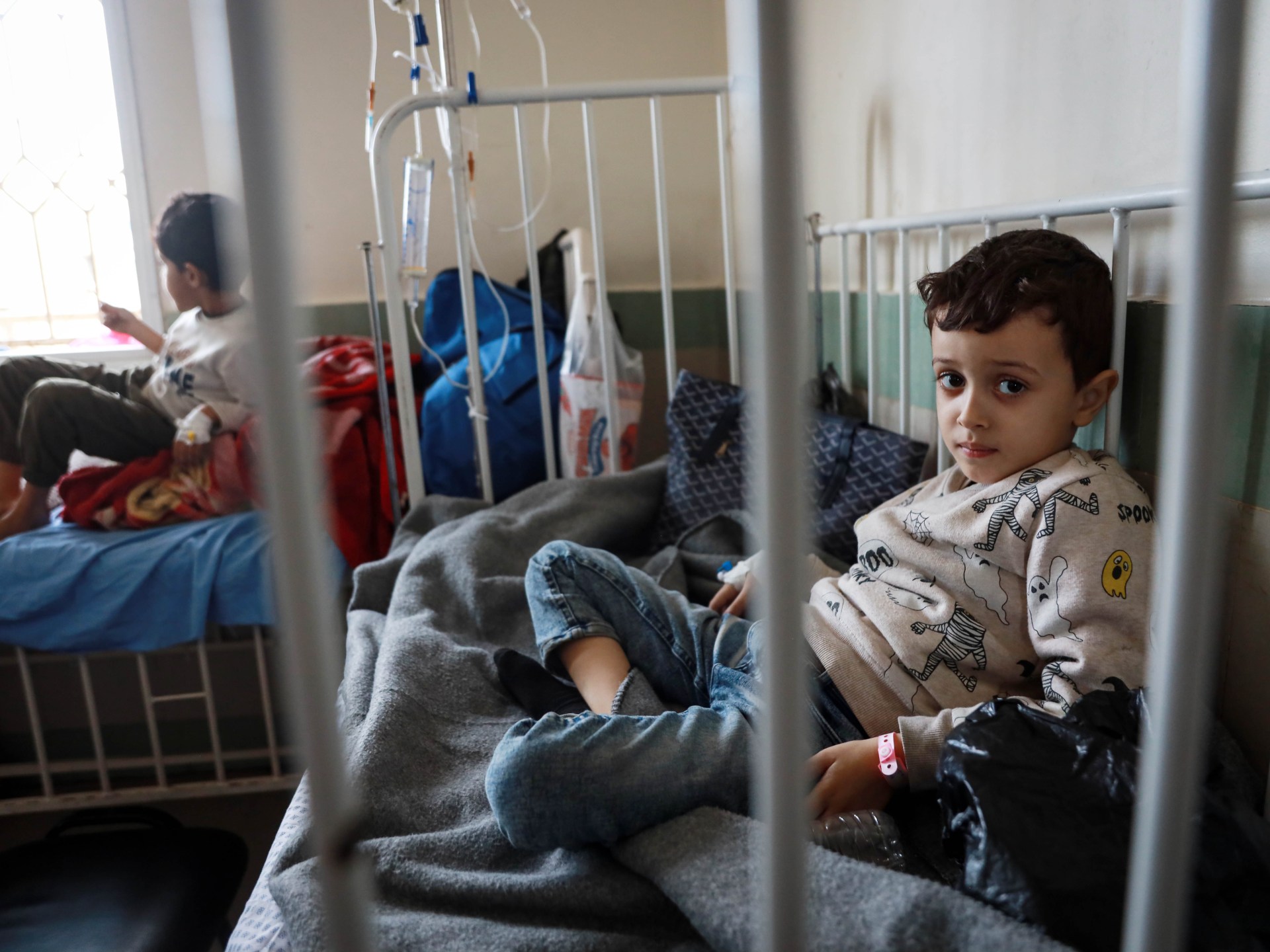

Gaza City, Gaza Strip – For the third time in less than a month, five-year-old Omar Abu Fayed has been admitted to the isolation ward at Gaza City’s Rantisi Children’s Hospital after developing symptoms of meningitis.
Each time, his mother, Zakia Abu Fayed, thought he was recovering. But days after being discharged, his fever and pain returned.
Recommended Stories
list of 3 items
- list 1 of 3Winter rains threaten 1,000 Gaza shelter sites, councils warn
- list 2 of 3Could renewed strikes on Hodeidah port worsen Yemen’s humanitarian crisis?
- list 3 of 3‘Second home’: Why Israel is celebrating Jensen Huang’s return to Nvidia
end of list
“He doesn’t even spend a full week at home before we have to bring him back,” the 24-year-old Zakia told Al Jazeera.
Omar’s illness began with a high fever, severe headache and abdominal pain. He stopped eating, and his temperature rose above 40 degrees Celsius (104F). After five days of treatment at home with fever medication and antibiotics, his condition had not improved, so Zakia took him to hospital, where doctors diagnosed meningitis.
He was admitted for five days and discharged after responding to treatment. But about a week later, the fever returned, and he spent another 10 days in hospital.
The symptoms returned days after his second discharge, and doctors changed his treatment for a third time.
“I hope he responds this time,” she said.
The repeated admissions have left her worried not only about Omar but also about her two younger children, aged three and one. She said the hospital was crowded with children suffering from meningitis, including newborn babies.
Zakia, originally from Jabalia in northern Gaza, believes Omar may have contracted the infection at kindergarten, although its source has not been established. The family has been displaced because of Israel’s genocidal war on Gaza, and is renting a house.

Rising cases and deaths
Zakia’s concerns come as Gaza’s Ministry of Health warns of a sharp increase in meningitis cases. On November 24, the ministry declared an epidemic alert, reporting 272 cases in October – up sharply from the usual monthly average of 30 to 50.
Advertisement
The ministry said 108 of October’s cases were bacterial meningitis, compared with the usual 10 to 20 a month. A further 100 bacterial cases were recorded during the first weeks of November.
It also reported 15 deaths from the disease since the beginning of 2026, including five between August and October.
Meningitis is an inflammation of the membranes surrounding the brain and spinal cord. It can be caused by viruses or bacteria. Bacterial meningitis is particularly dangerous because it can progress rapidly and cause death or lasting complications, including hearing loss and neurological damage.
The World Health Organization (WHO) has warned that limited laboratory capacity is making it difficult to distinguish between viral and bacterial infections. The UN has also reported shortages of laboratory supplies and essential medicines, with about 42 percent of essential medicines at zero-stock levels in October.
These shortages are adding to the pressure on Gaza’s already weakened health system, as overcrowding and poor sanitation leave displaced families struggling to protect themselves from infection.

Hospitals under pressure
At Rantisi Children’s Hospital, paediatrician Sharif Matar said the current wave began about a month ago and was continuing, although daily admissions had fallen.
“At one stage, we were receiving more than 10 cases a day. Now we are talking about three to four cases daily. There has been a decline, but the wave has not ended,” Matar told Al Jazeera.
Meningitis cases occur seasonally in Gaza, he said, but this year’s increase has placed additional pressure on hospitals. Rantisi is one of the few remaining hospitals providing paediatric services in Gaza, he added, receiving children from across the territory.
Matar linked the spread of infections to overcrowding in displacement camps and tents, where families have limited access to water and facilities for personal hygiene.
“People are living in tents, with severe overcrowding and without sufficient means of maintaining personal hygiene,” he said.
Matar said Rantisi had not recorded any deaths directly attributed to meningitis during the current wave, to his knowledge. However, some children had developed serious complications, including hearing loss and hydrocephalus, which can require surgery to relieve pressure caused by fluid building up in the brain.
He acknowledged that some medicines were occasionally unavailable, but said the hospital had so far been able to obtain the treatments required for its meningitis patients through the Ministry of Health’s medical warehouses.
Advertisement
“We have not reached a point where we can say that a particular essential medicine is completely unavailable,” he said.

Fear for other children
For another mother at Rantisi, the illness has struck her six-month-old twins one after the other. Aya Salem, 29, said she had spent nearly 15 days going between hospital wards as her son Yaman and daughter Yumna became ill.
Yaman first developed a high fever about two weeks ago. After initially being kept under observation and discharged, he was brought back two days later with fever, diarrhoea and a skin rash. Doctors diagnosed meningitis, and he remained in hospital for 10 days.
As he was discharged, his twin sister’s condition worsened. Yumna was admitted with a fever that reached between 39C and 39.7C (102.2F-103.5F), accompanied by severe diarrhoea and vomiting, and was also diagnosed with meningitis. She was unable to breastfeed or take formula.
Doctors treated her with intravenous fluids, medication and zinc supplements. Her fever finally subsided the night before the interview, her mother said, but she remained unwell and had lost considerable weight.
“The doctor told me that she was among the most difficult cases. I was shocked,” Aya said.
She said she had taken precautions to protect the twins, rarely leaving their accommodation for six months except for essential errands, avoiding distribution points and not allowing visitors. But she still did not know how they had become infected.
“We live among displaced people. Every day, you do not know who your neighbour is or who might come into the area. I am extremely careful, but I do not know what happened,” she said.
She described the difficulty of maintaining hygiene in the place where the family is staying, saying there was no reliable access to clean water or adequate sanitary conditions.
Her fear is compounded by the loss of her daughters, Ayloul and Amal, who were also twins and were killed, aged three, during the war in an Israeli air strike in Gaza City on December 19, 2023.
Now, as she watches Yaman and Yumna being treated in hospital, she is pleading for action to improve the conditions in which families are living.
“Enough of what is happening to our children in Gaza. Please intervene and help improve the shattered living conditions people are facing,” she said.
Related News
Eleven killed in burst of violence during Mexican cartel leader’s capture

Al Jazeera marks 30th anniversary with network overhaul

Philippine court orders arrest of jailed, US-wanted celebrity preacher