Kenya’s 2029 World Athletics bid: A win for Africa under scrutiny
 30 October 2026
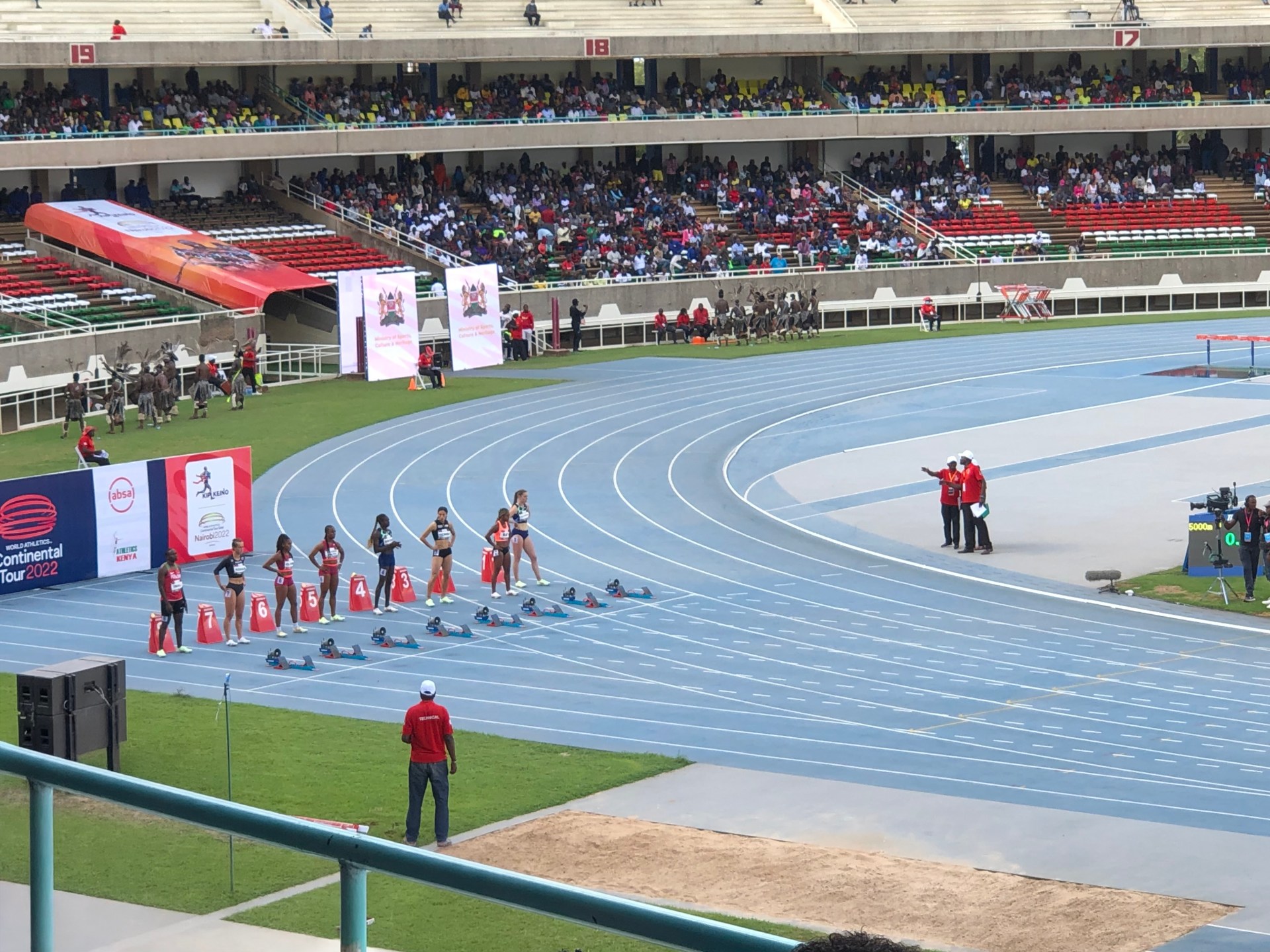

Nairobi, Kenya – For more than four decades, the World Athletics Championships have been held across continents but never in Africa.
That changes in 2029, when Nairobi becomes the first African city to host the track and field championships, bringing the sport’s flagship global competition to a continent whose athletes have helped shape its history.
The World Athletics Championships were established in 1983 in Helsinki, Finland, after decades in which athletics’ biggest global competitions were largely tied to the Olympic Games. The inaugural championships brought together 1,333 athletes from 153 countries, laying the foundation for one of the most important events on the international sporting calendar.
Africa’s relationship with athletics stretches much further back. Ethiopia’s Abebe Bikila became the first African to win Olympic marathon gold in 1960, followed by generations of track and field athletes including Uganda’s John Akii-Bua, Morocco’s Said Aouita and a succession of Kenyan champions.
Kenya’s own story is particularly significant. Kipchoge Keino’s 1,500-metre triumph at the 1968 Mexico City Olympics helped establish Kenya as a global distance-running powerhouse. Generations that followed – from Paul Tergat and David Rudisha to Eliud Kipchoge, Vivian Cheruiyot, Hellen Obiri and Faith Kipyegon – have turned Kenyan athletics into a global sporting identity.
Kenya is the second most successful nation in World Athletics Championships history.
For Keino, the two-time Olympic champion and former world record holder whose achievements helped establish Kenya’s reputation in distance running, Nairobi’s selection represents the culmination of decades of progress.
Advertisement
“When we started running, we were young Kenyans with a dream to represent our country and show the world that African athletes could compete at the highest level. Seeing Kenya prepare to host the World Athletics Championships in 2029 is a deeply special moment,” Keino told Al Jazeera.
“It is a testament to how far our country has come from sending athletes abroad to compete, to welcoming the world to our own home.”
Keino said hosting the championships would also give Kenya an opportunity to showcase its talent, culture and hospitality while investing in the future of athletics.
How did Kenya win the bid?
Kenya’s campaign to host the 2029 championships lasted three years and culminated in victory at the World Athletics Council meeting in Budapest on September 15 .
Competing bids came from London, Rome and Munich, all cities with established records of hosting major international athletics events.
Nairobi’s bid highlighted the ongoing renovation of Kasarani stadium ahead of the 2027 Africa Cup of Nations, as well as Kenya’s experience hosting the 2017 World U18 Championships and the 2021 World U20 junior Championships. Kenya also drew lessons from its unsuccessful bid for the 2025 championships, which was awarded to Tokyo.
World Athletics President Sebastian Coe said the council had received four strong bids and described Nairobi’s proposal as “compelling and emotional”.
“Nairobi and Munich ultimately presented two compelling propositions. They offer very different but equally exciting opportunities for our sport, and I am delighted that we can now begin working with both cities to stage two world-class championships,” Coe said.
Athletics Kenya declined to comment on the decision.
Doping questions return
The celebrations were quickly accompanied by questions over whether Kenya can host an event of this scale while dealing with persistent scrutiny over doping in athletics.
Since the international sport governing body World Athletics established the Athletics Integrity Unit in 2017, 318 Kenyan athletes have been sanctioned for anti-doping rule violations, according to figures reported following the announcement. Of those, 136 were still serving bans.
Kenya is not among the countries with the highest overall number of anti-doping violations globally, but its prominence in distance running means high-profile cases often attract considerable international attention.
Kenya’s anti-doping system has also faced scrutiny. In 2025, the World Anti-Doping Agency found Kenya’s anti-doping agency non-compliant with the global anti-doping code, putting additional scrutiny on the country’s system. Kenya was removed from the agency’s compliance watchlist in 2026 after corrective measures.
Advertisement
Recent cases, including the bans of marathon world-record holder Ruth Chepngetich and former half-marathon world-record holder Kibiwott Kandie, have kept the issue in the spotlight.

For Nairobi, the challenge will be to demonstrate that its anti-doping systems are strong enough to protect the credibility of the 2029 championships.
Kenyan Member of Parliament Dan Wanyama, who chairs the committee on sports and culture, said the country has the experience and infrastructure to host the event.
“We have already held several athletics championships which were very successful. It is a thing of pride for us to defeat major global cities London, Munich and Rome,” Wanyama told Al Jazeera.
“As the chair of the sports committee in Parliament, I can assure you we have the right infrastructure in place because the championship will be held at Moi International Sports Stadium (known locally as Kasarani). The contractor is already on site and preparations have started in earnest.”
Kenyan athletics fan Winston Omondi said some of the criticism of Kenya was unfairly focused on the country.
“If it was about doping, then there are so many developed countries that should not even be participating in athletics, including London itself,” Omondi told Al Jazeera.
More than one stadium
Doping is not the only test facing Kenya.
As the country prepares to host the 2027 Africa Cup of Nations with sporting infrastructure being upgraded at Kasarani and Nyayo stadiums, the World Athletics Championships will require more than a competition venue.
Nairobi will have to ensure adequate training and warm-up facilities while improving transport links, accommodation and athlete services. The city will also need reliable systems for security, accreditation, broadcasting, medical care and the movement of thousands of athletes, officials, journalists and spectators.
Beyond the stadiums, Nairobi’s wider infrastructure will come under scrutiny, particularly its traffic congestion and public transport network.
The success of the championships will therefore depend on more than upgrading Kasarani. Kenya will have to demonstrate that Nairobi can deliver a seamless experience for a global sporting event while maintaining the standards expected of one of athletics’ biggest competitions.
For a country whose athletes have spent decades representing Africa on the world stage, hosting the championships is a historic opportunity. It is also a test of whether a continent that has produced generations of world-class athletes can host the sport’s biggest global events on its own ground.
But winning the bid was only the first race.
As Omondi put it: “We have come so far as people, as a country and as a continent for us to be judged in this way.”
Related News
Mali’s military and armed groups committing abuses against civilians: HRW

Florida issues arrest warrant for Cuban leader Raul Castro

Netanyahu demands probe into sources for award-winning Gaza film NAZA