Libya’s parliament removes Speaker Saleh after 12 years as discontent grows
 07 October 2026
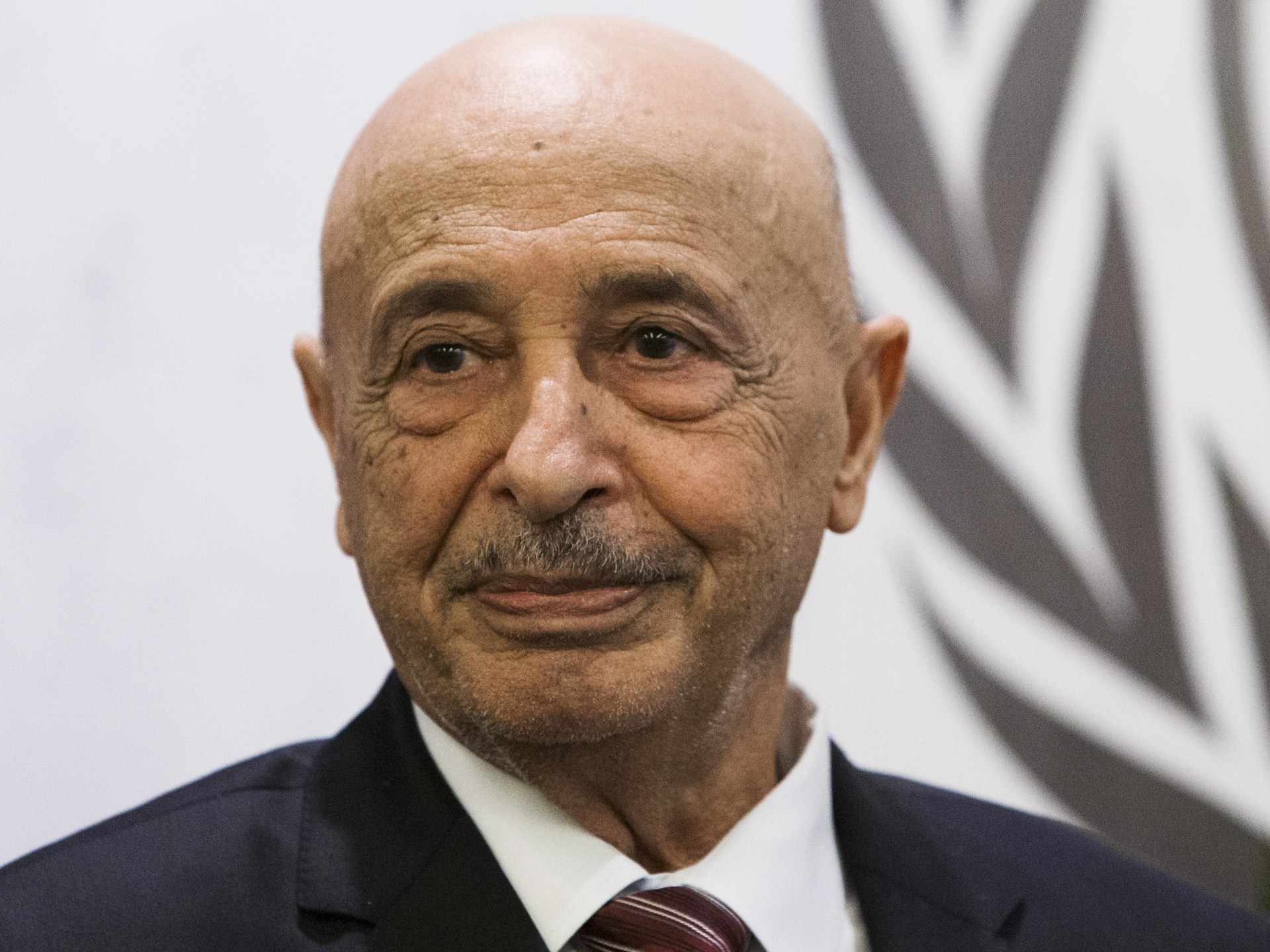

Libya’s eastern-based House of Representatives has elected a new speaker, ending Aguila Saleh’s 12-year tenure amid growing discontent among lawmakers over his leadership.
Legislators in the 170-member House voted on Tuesday to replace Saleh with Al-Salhin Abdelnabi al-Obeidi, the parliament’s spokesperson announced on X.
- list 1 of 3Can international diplomacy find a way forward in Libya?
- list 2 of 3Rival Libya factions sign deal to hold national elections within two years
- list 3 of 3For Libya, the Hormuz crisis can be a trap or an opportunity
end of list
The vote came a day after 98 members of the House approved a new system limiting the speaker and deputy speakers to a single 12-month term.
The change ended an arrangement that had been in place since the chamber’s first leadership was elected in 2014.
“There was significant discontent among MPs with the previous leadership over numerous errors,” lawmaker Jebree Oheida told the Reuters news agency. “We tried to engage with the leadership to address these issues, but to no avail. Among these errors were decisions made without consulting MPs.”
The vote was overseen by Second Deputy Speaker Misbah Douma, according to the Libya Observer.
Saleh has previously rejected the proceedings, saying the initial vote to limit the speaker’s term was “not official and had no legal effect”, according to the outlet. He had also announced that he had cancelled the session he had called for Tuesday.
The developments come as Libya remains divided politically and militarily between the United Nations-recognised government in Tripoli led by Prime Minister Abdul Hamid Dbeibah, and a rival administration in the east backed by renegade military commander Khalifa Haftar.
Haftar’s camp relies in particular on the parliament, which sits in the eastern city of Benghazi under their control.
Advertisement
Saleh has long been considered a staunch ally of the Haftar clan, but analysts said he appeared to be weakened as Haftar’s sons, in particular Saddam Haftar, consolidated their positions.
“Agila Saleh appears to be the latest casualty of Saddam Haftar’s drive to centralise decision-making in eastern Libya and bulldoze his way into a political role,” said Emadeddin Badi, an analyst at the London-based Chatham House.
Al-Obeidi, who comes from the same tribe as Saleh, represents the eastern city of Tobruk and has chaired parliament’s Libyan-Turkish friendship committee.
The House on Tuesday also elected Tarek al-Ashtar and Mesbah Douma as first and second deputy speakers, respectively.
Their election follows the signing of a landmark agreement by representatives of Libya’s rival political camps in Tripoli in August that could see presidential and legislative elections held within two years.
Mediated by the United Nations Support Mission in Libya (UNSMIL), the “4+4 committee” agreement attempts to resolve recurring legal and institutional disputes that have crippled the nation since the overthrow of Colonel Muammar Gaddafi in 2011.
The United States is pursuing a separate reunification plan for the oil and gas-rich North African country, led by Massad Boulos, President Donald Trump’s senior adviser for Arab and African affairs.
Related News
Republican midterm convention live: Trump headlines day 2 of Dallas rally

‘A historic day’: Spain moves closer to citizenship for Western Saharans
Brazil election: Lula and Flavio Bolsonaro tied in latest polls