Yemen fighting displaces 71,000 children, worsens malnutrition: UNICEF
 25 September 2026
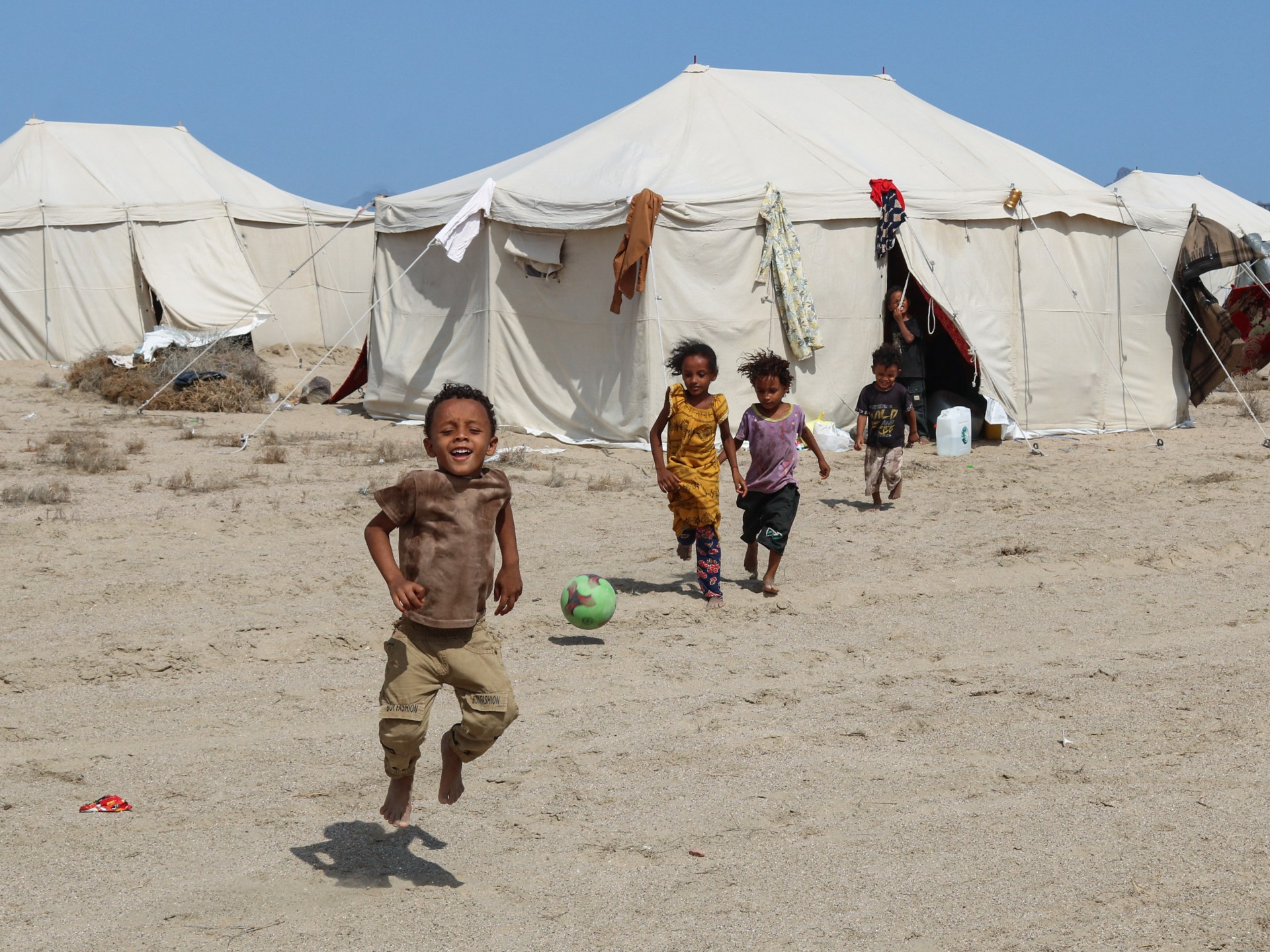

Fighting in Yemen is disrupting access to healthcare and treatment centres, causing a rise in acute malnutrition among children, the United Nations children’s agency has said.
Yemen’s UNICEF country representative, Akhil Iyer, told reporters at the Palais des Nations in Geneva on Friday that hunger and malnutrition are afflicting an ever-increasing number of children in Yemen, as violence escalates in the country.
- list 1 of 4Yemeni forces say they repel Houthi attacks in Taiz as fighting rages
- list 2 of 4Rubio warns of Iraq ‘Balkanisation’: Is that a real threat?
- list 3 of 4Saudi-led coalition says shot down 6 ballistic missiles launched by Houthis
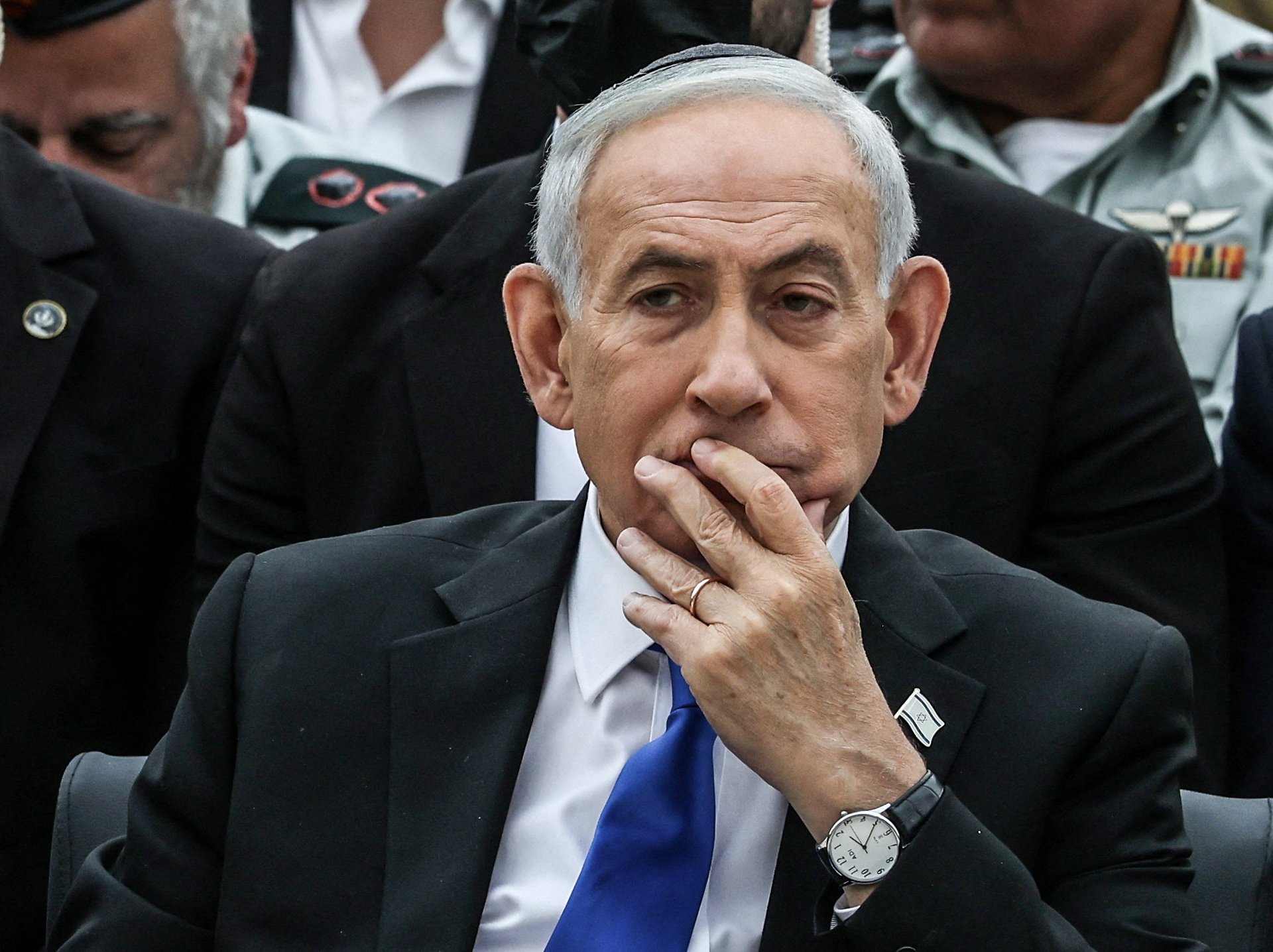
- list 4 of 4Benjamin Netanyahu attacks Israel’s enemies and allies in UN speech
end of list
Iyer said that 71,000 children are among the nearly 130,000 people displaced in Yemen over the past three weeks, most of whom were uprooted from or within the southwestern governorate of Taiz.
“Conflict drives hunger, and hunger makes children more vulnerable to conflict,” Iyer told reporters via videolink from Aden.
He added that UNICEF is “very concerned about a very visible increase in acute malnutrition among children”.
UNICEF mobile teams screened nearly 2,900 children in accessible areas in recent weeks. More than a quarter were acutely malnourished, Iyer said, with 200 of those considered “severe” – the worst category.
In addition to the increasing cases of child malnutrition in areas it can access, UNICEF said this was only a snapshot of the situation unfolding across the country, where 2.2 million children under five are projected to be acutely malnourished this year, and more than half a million projected to be suffering from severe acute malnutrition.
Iyer also said UNICEF had verified that at least 15 children were killed and 14 injured in the conflict since early September, while three were still reported missing.
Advertisement
“Beyond being uprooted from their homes, too many children have already paid the heaviest price in this conflict,” he said. “Behind every one of those children is a parent living through the unimaginable – grief, fear, or the agony of not knowing.”
Yemen’s civil war between the Saudi-backed Yemeni government forces and Iran-backed Houthis has intensified this year after it had largely been frozen in a 2022 truce.
In recent weeks, the Houthis have made dramatic territorial gains against Yemen’s internationally recognised government forces. They seized the strategic port city of Mocha and then almost the entire Red Sea coast, including several islands.
That has given the group greater control over the Bab al-Mandeb strait, the critically important maritime passage that Saudi Arabia was using to ship oil out after the US-Iran war effectively shut down the Strait of Hormuz.
This week, the Houthis also made advances towards Yemen’s highlands, even as battles with Saudi-backed government forces have escalated.
A humanitarian crisis has unfolded as the Houthis swept south along the Red Sea coast, displacing tens of thousands of people, as many fled to Africa across the Red Sea.
The escalation has also disrupted education in Yemen, with 243 schools closing or suspending classes over the past three weeks, affecting nearly 140,000 students.
“We cannot keep asking children to survive what they should have never been exposed to in the first place,” Iyer said, urging parties to protect children, civilians and civilian infrastructure, uphold international humanitarian law and facilitate safe and unimpeded humanitarian access.
Related News

‘Hope’ rises in Berlin immigrant communities as Left wins amid AfD gains
‘Overdue first step’: UK reacts to gov’t ban on Israeli settlement trade
Houthis accuse Saudi Arabia of launching 26 strikes in 24 hours