UNICEF says one child killed per day in Gaza since ‘ceasefire’
 06 August 2026
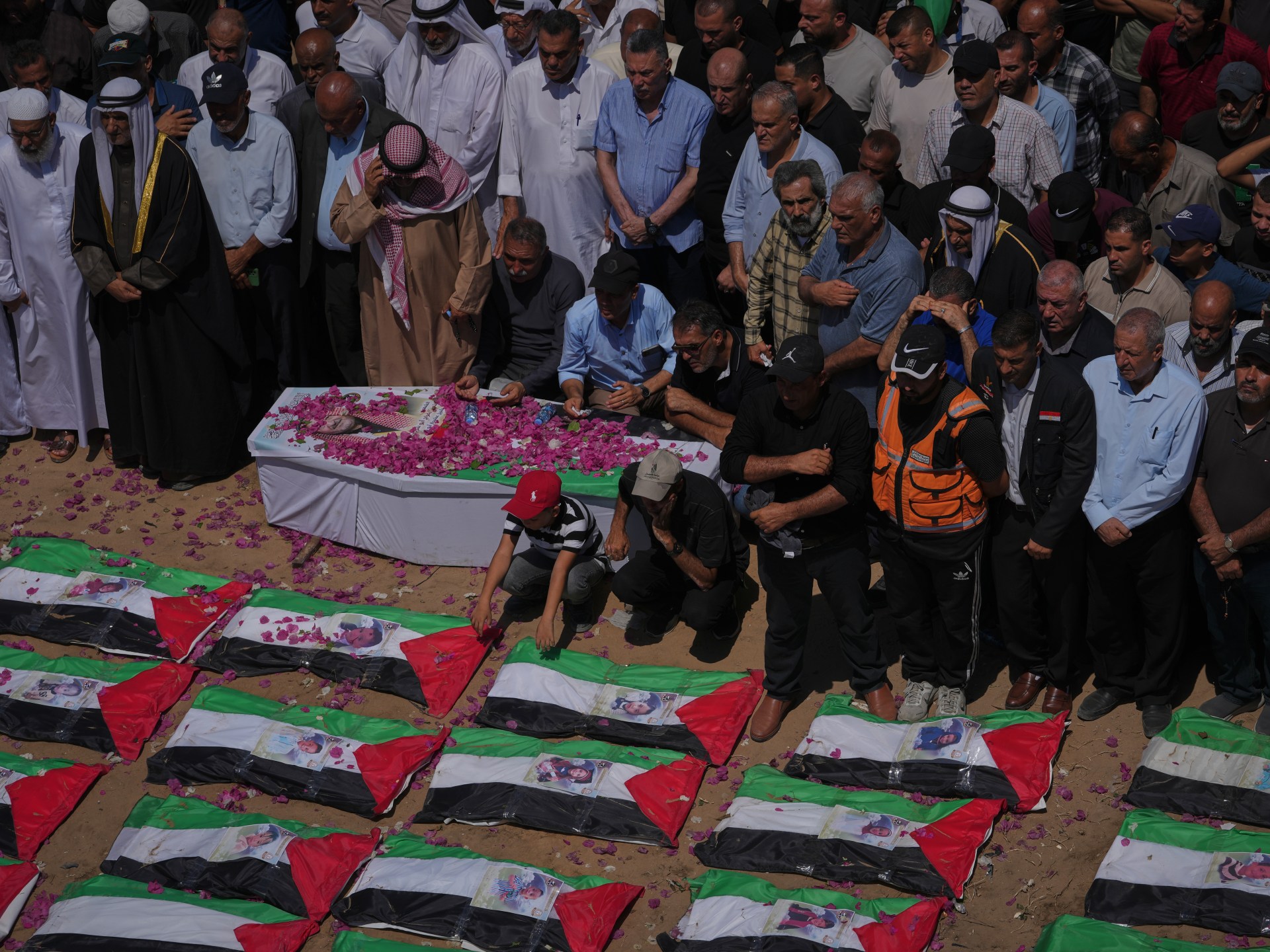

At least 300 children have been killed in Gaza in the roughly 300 days since a so-called “ceasefire” was announced on October 10, 2025 – an average of one child a day, the United Nations children’s agency says.
Hundreds more have been wounded, many severely, UNICEF said in a statement on Thursday as it pressed parties to a proposed US-led peace plan to translate pledges into action.
- list 1 of 3‘Tell us’: Gaza family trapped between hope and pain over missing brothers
- list 2 of 3‘I wanted to hug whatever remained’: Gaza families’ 3-year wait for funeral
- list 3 of 3Return of goods to markets in Gaza doesn’t mean people can afford them
end of list
“A ceasefire that leaves an average of one child dead each and every day is failing children,” said Edouard Beigbeder, UNICEF regional director for the Middle East and North Africa. “Children in Gaza are still waiting for the end to the violence they were promised.”
Families are now confined to about a third of the enclave, sheltering among destroyed buildings, rubble and uncleared waste, the agency said.
Children continue to face acute malnutrition, disease, unsafe water and damaged sanitation, while a shortage of incubators has left some premature newborns sharing machines.
Since October 2023, Israel’s genocidal war on Gaza has killed more than 73,300 Palestinians, according to health authorities in the territory.
UNICEF says more than 58,000 children have lost one or both parents, while more than a million children require protection and psychosocial support. The agency has previously estimated that some 17,000 children were unaccompanied or separated from their families, one of the largest child protection crises anywhere. Many families are living through repeated displacement, loss of income and limited access to healthcare, education and protection.
Advertisement
In one strike in western Gaza City on August 2, residents recovered the remains of an unborn baby from the rubble after the attack killed a pregnant woman, her husband and their five-year-old son, Al Jazeera reported.
Beyond the physical dangers, aid workers describe a generation stripped of childhood. With a third summer of war under way, many children spend their days fetching water, queueing for food and gathering firewood rather than playing, while summer camps, art supplies and even paper and pens remain scarce in displacement camps, UNICEF and aid groups say.
A UNICEF assessment in May found that young children lacked the safe, stimulating environments needed for early development, and that school-aged children faced prolonged learning disruptions with little prospect of recovery without targeted help.
“Play is how children reclaim what war stole from them,” UNICEF’s Palestine communications chief Jonathan Crickx said earlier this year, describing it as essential rather than a luxury.
Beigbeder welcomed recent announcements pointing to steps towards ending hostilities and scaled-up aid. “For children in Gaza, the test is simple. Does the killing stop? Does aid reach them at scale? Do hospitals reopen and water flow?” he said.
UNICEF this week delivered more than 600 pallets of school supplies and soap ahead of a school year expected to begin within two weeks.
Related News
Saudi Arabia defends against drone strikes from ‘Iran-backed’ groups

Trump praises army, rails against communism in US 250th anniversary speech

Satellite images show scale of destruction in Venezuela earthquakes