Iranians struggle to get by amid US war and domestic woes
 21 July 2026
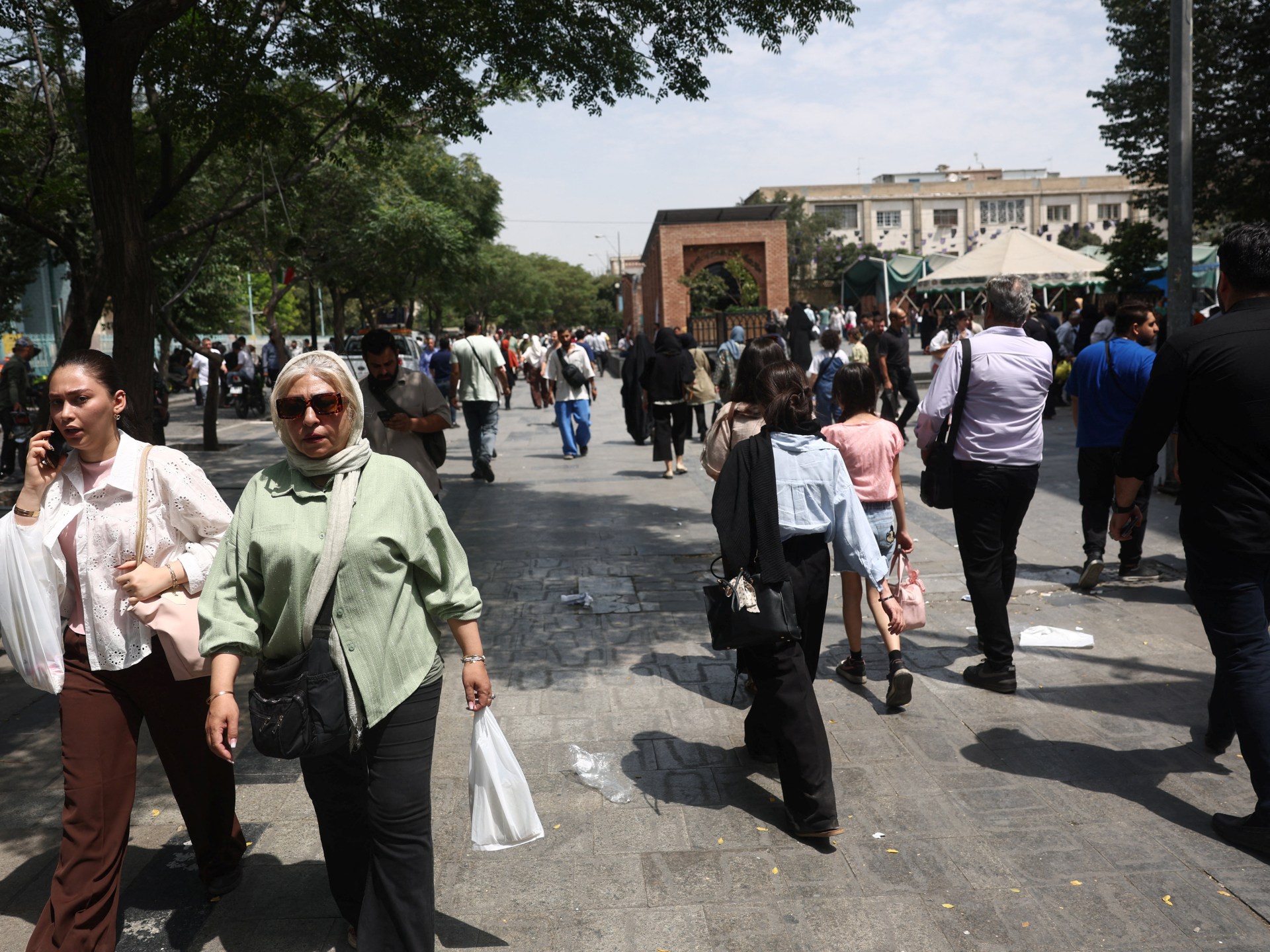

Tehran, Iran – Each trip to the supermarket brings an unpleasant surprise for Leyla, a pensioner who lives in western Tehran.
“You find yourself comparing prices to just a few weeks or months ago,” she said.
Just a tub of ice cream and yoghurt cost her about 10 million rials (just over $5), added Leyla, who on Tuesday received 180 million rials ($94) as her monthly pension.
“And that’s the amount I get after a 40 percent increase from the government this year – but it doesn’t even begin to cover the essentials,” she said.
A mix of decades-old economic structural issues, coupled with limitations imposed by local authorities and the compounding damage inflicted by a war launched by the United States and Israel in February, just months after a 12-day conflict with Israel, continues to make life more difficult for Iranians.
Across the sanctions-hit country, people face a mounting list of challenges as they struggle to get by – from collapsing purchasing power and unaffordable food, rent and medicine to lost jobs, unreliable internet, electricity cuts, banking disruptions and destroyed infrastructure.
Masoud, a young resident of the capital, said his landlord agreed after much negotiation to settle for a rent increase of just less than 50 percent this year.
“It’s steep, but I’d either have to pay more for a similar apartment in the same neighbourhood or move further south in the city – not to mention the costs of moving,” he told Al Jazeera, adding that he expected next year to be much worse.
Advertisement
This is while the government has decreed that landlords in Tehran can legally only increase rent by 27 percent, with the cap for other provinces set at 25 percent. But those figures are often used as the floor, not the ceiling, for prices while unhappy tenants have to trudge through chaotic dispute-resolution councils if they protest.
A similar picture has emerged in other sectors and industries, where support from a cash-strapped government is either nonexistent or extremely limited as conditions get tougher by the day.
For instance, the government offers monthly cash subsidies and electronic coupons for the purchase of food items, but they only equal a few dollars. Local media, citing users, have recently reported that some shops refuse to accept the coupons since they have not been compensated for them by the government.
In the meantime, inflation last month was at nearly 90 percent, with food inflation hitting 134 percent, compared with a year earlier. The figures for next month are expected to be worse. Iran’s national currency hit a new all-time low this week and continued to hover around that on Tuesday at more than 1.9 million rials against the US dollar.
Controlled prices for all types of bread sold in Tehran were nearly doubled by the government in an official decree last month. Local media said petrol prices could soon increase again after a bump last year.
Experts say loan allocations to businesses have proven slow or inadequate, individuals and businesses have received little arrears relief despite ongoing banking disruptions resulting from major cyberattacks last month, and unemployment insurance – which has seen a surge of new applications this year – misses most informal and digital workers.
The country is struggling to recover after facing deadly nationwide protests in January, as well as two wars in less than a year, with the ongoing conflict with the US showing no signs of abating.
Both during the protest killings in January and the current war, the Islamic Republic cut off all access to the global internet, with the second shutdown lasting three months to become the longest-ever recorded in any country. Some access was restored in late May, but Iran’s internet landscape remains one of the slowest and most heavily filtered in the world.
The extensive damage from the war has also worsened Iran’s structural problems, whose economy has also been strained by years of Western sanctions and local mismanagement.
During the two wars, the US and Israel systematically bombed a large number of civilian targets, including ports, airports, bridges and roads, as well as oil and gas facilities, petrochemical manufacturers, steel giants, power stations and water facilities.
Advertisement
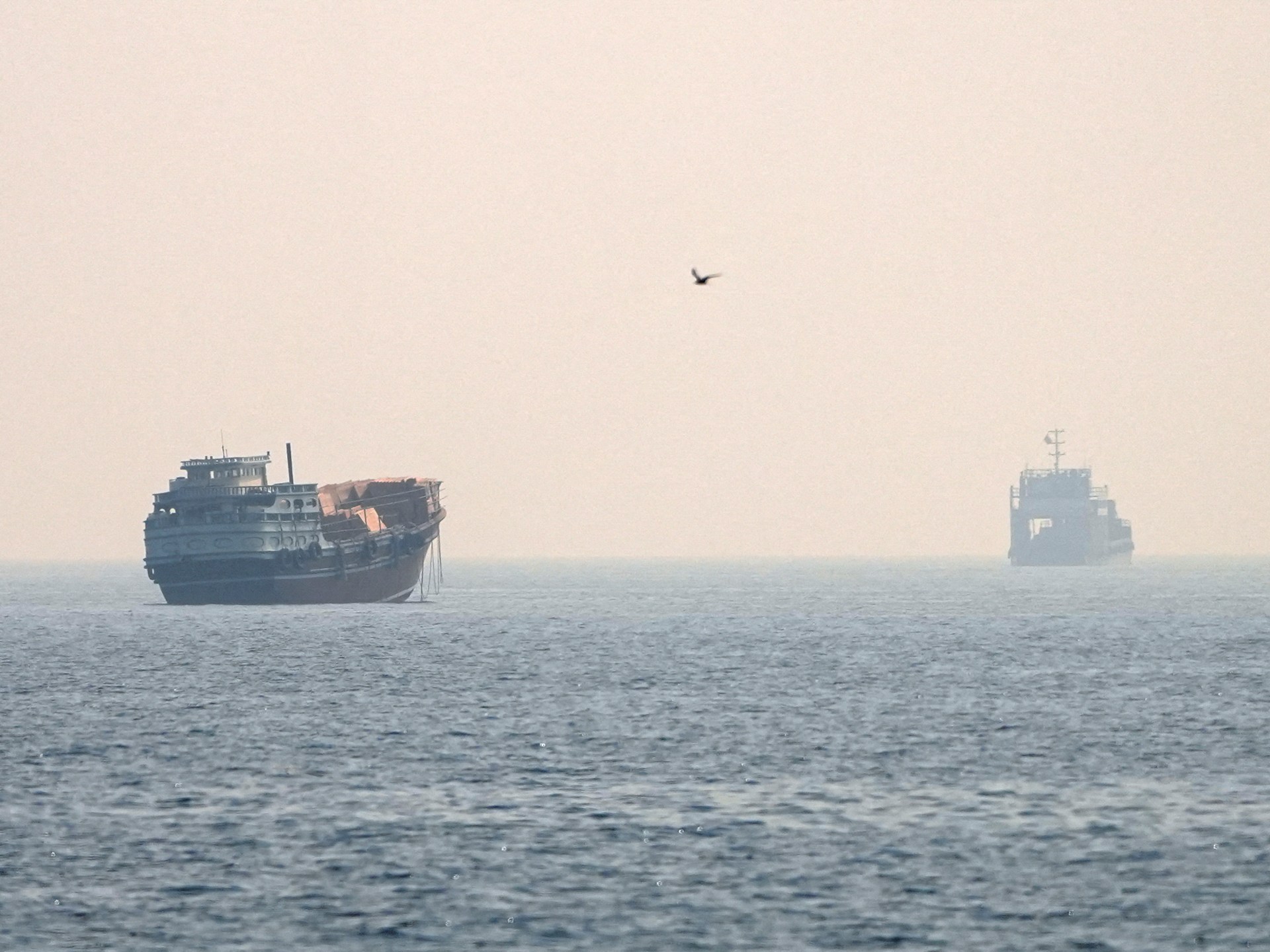
The damage is already estimated to be running in the hundreds of billions of dollars, with heavy attacks and a naval blockade imposed on Iran’s southern ports being far from over.
Iranian authorities have blamed some of the electricity blackouts, which continue to affect people and businesses while summer temperatures surpass 40 degrees Celsius (104 degrees Fahrenheit) in parts of the country, on the bombing. The blackouts have led to water shortages in some provinces, including some of those being bombed by the US to the south, as water pumps stopped working.
Despite the mounting hardships, many Iranians do their best to maintain a semblance of a life, keeping routines, going out and enjoying street music wherever it is not stifled.
But some were left feeling they were facing only more roadblocks after authorities this week temporarily closed down a large number of cafes and shops in central Tehran, where thousands of people had gathered each day to socialise absent other venues.
In the artsy and storied Sanaei and Iranshahr streets, cafe owners were given a range of reasons when they were shut down – from not conforming to “Islamic norms” of mandatory hijab for women to allegedly blocking the pavement. Such closures have happened in waves in the past, too.
“Any trace of vibrancy and being alive are nipped in the bud,” said a young man who witnessed one of the cafes being shut down. “How many more years of youth and life do we have left to wait for this country to become a normal place to live?”
Adel Ferdosipour, Iran’s most renowned football commentator, was left in tears on Monday night after the website and application for his popular Football 360 were erased by authorities for criticising Team Melli and its head coach after a weak performance at the World Cup.
“Why don’t you let people work in this country? How is this possible?” he said, addressing the authorities, in a version of the programme released on social media.
“Your ceiling is so low that you can’t tolerate anything. You have all the media and resources, but you’re so small that you can’t even tolerate a website and an application,” he said in a clip that went viral on Tuesday.
Related News
China rebukes UK over nationalisation of British Steel
What is Nayara, the Indian firm Russia is reportedly importing oil from?

VIDEO: Spain outclass Argentina to win FIFA World Cup