France’s Morocco reset: What French PM Lecornu’s visit signals
 15 July 2026
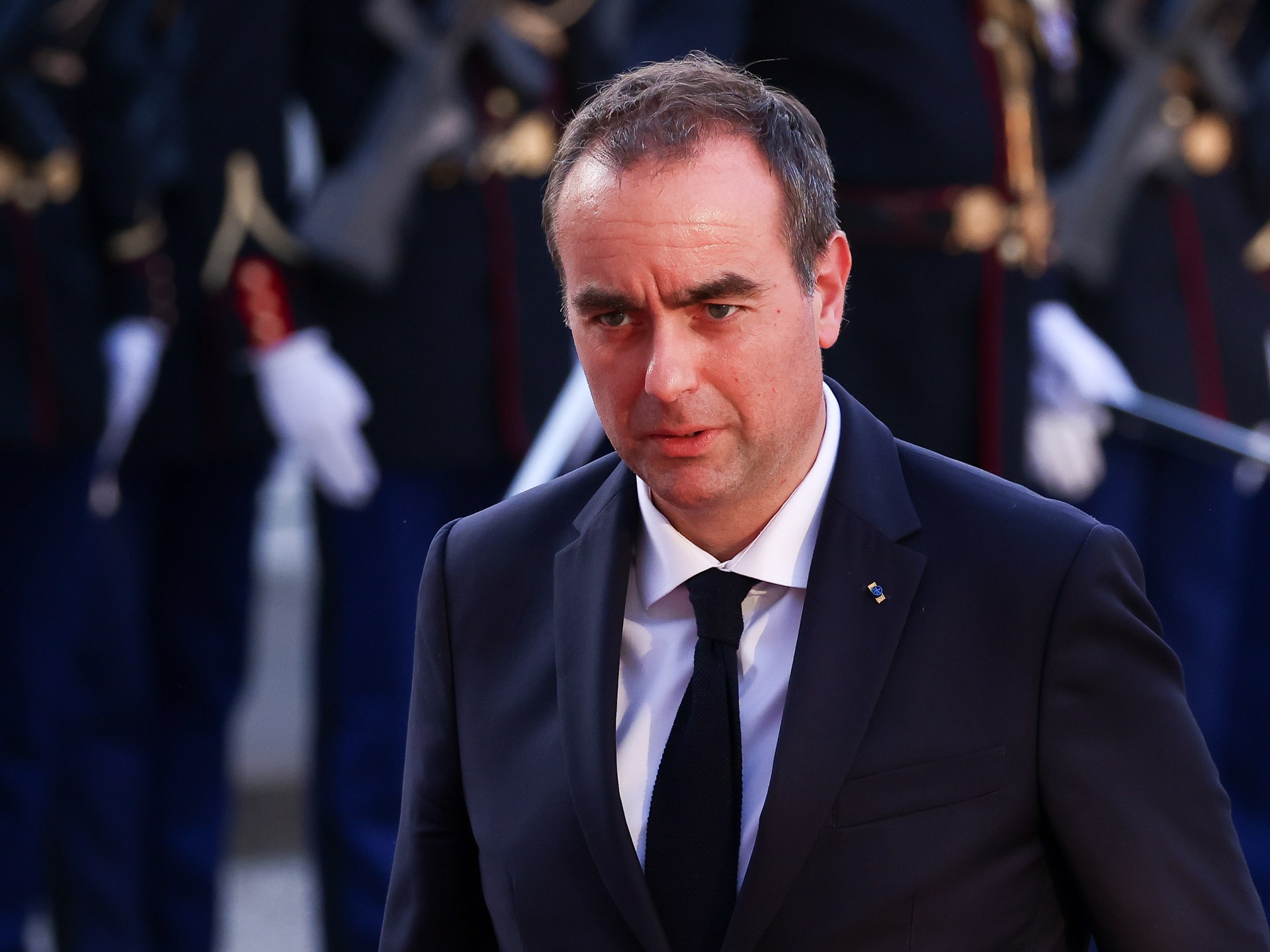

Rabat, Morocco – French Prime Minister Sebastien Lecornu’s first official foreign visit, a two-day trip to Morocco on July 15–16, marks the latest step in Paris’s effort to consolidate its diplomatic reset with Rabat after recognising Moroccan sovereignty over disputed Western Sahara.
Accompanied by about a dozen ministers, Lecornu’s trip underscores France’s effort to rebuild one of its most important partnerships in North Africa as geopolitical competition across the region intensifies.
The high-level meetings, covering defence, security, economic cooperation and investment, come after one of the most difficult periods in modern Franco-Moroccan relations. Between 2021 and 2023, disputes over visa restrictions, judicial cooperation, intelligence sharing and France’s prolonged ambiguity over Western Sahara strained what had long been one of Paris’s closest partnerships in the Arab world.
That changed in 2024, when President Emmanuel Macron recognised Moroccan sovereignty over Western Sahara, the disputed territory claimed by Morocco and the Algeria-backed Polisario Front, ending years of French ambiguity and paving the way for a broader rapprochement between the two countries.
Ouissal Marsaoui, a researcher in international relations, told Al Jazeera the two-day mission should be seen as the first major step in translating that political decision into practical cooperation rather than a standalone diplomatic engagement.
She said the trip reflects a broader recalibration of French policy as Paris looks for dependable regional partners while its political and economic influence across North Africa and the Sahel comes under growing pressure.
Advertisement
“It is natural in international relations for states to reposition themselves when their traditional partnerships weaken and new centres of influence emerge.”
Why Morocco matters
Over the past decade, Rabat has emerged as a key bridge between Europe and Africa through expanding trade links, major infrastructure projects, renewable energy investment and a more assertive diplomatic presence across West Africa and the Sahel. The expansion of the Tanger Med port complex into one of the Mediterranean’s busiest shipping hubs, alongside investments in industrial zones and transport corridors, has reinforced Morocco’s position as a gateway for European companies seeking access to African markets. Political stability and steadily expanding defence capabilities have further strengthened its appeal.
For Paris, rebuilding relations is no longer simply about repairing a historic partnership. As China, Turkiye, the Gulf states and the United States deepen their political and economic presence across Africa, France is increasingly looking to Morocco as a stable partner through which to engage both the Mediterranean and the continent.
Ahlam Qafas, professor of economics at ENCG Kenitra, told Al Jazeera that Morocco’s emergence as one of the Mediterranean’s leading logistics hubs has added another dimension to the relationship. Expanded ports, transport corridors and industrial zones have made the country an increasingly attractive entry point for European companies wanting to do business in Africa.
For France, closer economic cooperation offers an opportunity to recover commercial ground lost elsewhere on the continent. For Morocco, it provides access not only to investment but also to technology in sectors expected to shape future growth, including artificial intelligence, big data and advanced manufacturing.
Qafas said those opportunities extend beyond attracting foreign capital.
“The real value of this partnership lies in Morocco’s ability to move up the value chain by strengthening cooperation in strategic sectors such as artificial intelligence, big data and advanced industrial technologies, helping to build a more competitive and resilient economy for the future.”
Strategic convergence
The reset is already evident in the areas both governments have chosen to prioritise, from defence and intelligence cooperation to investment, transport, energy and advanced technology.
For France, closer ties with Morocco help reinforce its position in North Africa at a time when relations with Algeria remain strained and its influence across the Sahel has diminished following a series of military-led governments and diplomatic setbacks. Security cooperation also remains central, particularly on intelligence sharing, counterterrorism, defence industrial cooperation and migration.
![The high-level visit underscores Morocco's growing strategic importance as France seeks to rebuild its influence across North Africa [Alain Jocard/Pool/Reuters]](https://www.aljazeera.com/wp-content/uploads/2026/07/2015-09-20T120000Z_835316017_LR2EB9K1KZE7F_RTRMADP_3_MOROCCO-FRANCE-1-1784118306.jpg?w=770&resize=770%2C513&quality=80)
For Morocco, renewed French engagement could accelerate investment in sectors central to its long-term economic ambitions, including transport infrastructure, renewable energy, advanced manufacturing, defence industries and digital technologies.
Advertisement
Marsaoui said expanding cooperation on defence and security following France’s recognition of Moroccan sovereignty over Western Sahara also gives institutional weight to Paris’s policy shift.
“Opening defence and military files linked to the Sahara anchors France’s recognition within state institutions, transforming what could have been perceived as President Macron’s personal political choice into a durable strategic orientation.”
Nouh El Harmouzi, founder of the Arab Center for Scientific Research and Humane Studies, said Lecornu’s trip is significant less for any agreements it may produce than for what it signals about the trajectory of Franco-Moroccan relations.
He said the rapprochement points to a broader realignment in which political trust is increasingly being translated into long-term cooperation across defence, trade and regional security.
Whether the diplomatic reset develops into a lasting strategic partnership will depend on how both governments translate political alignment into sustained cooperation across defence, investment and regional security.
As El Harmouzi told Al Jazeera: “This is no longer a relationship driven primarily by historical affinities or episodic political convergence. It reflects a gradual shift towards a partnership based on strategic interdependence, where both countries increasingly perceive each other as essential actors in addressing long-term regional challenges.”
Related News
Deadly heatwave grips Italy and Balkans as wildfire fears grow
Record El Niño threatens to unleash floods across East Africa and Asia
Iran lawmakers present Hormuz management bill as US war heats up