Strait of Hormuz: What has happened since the US-Iran MoU on June 17?
 09 July 2026
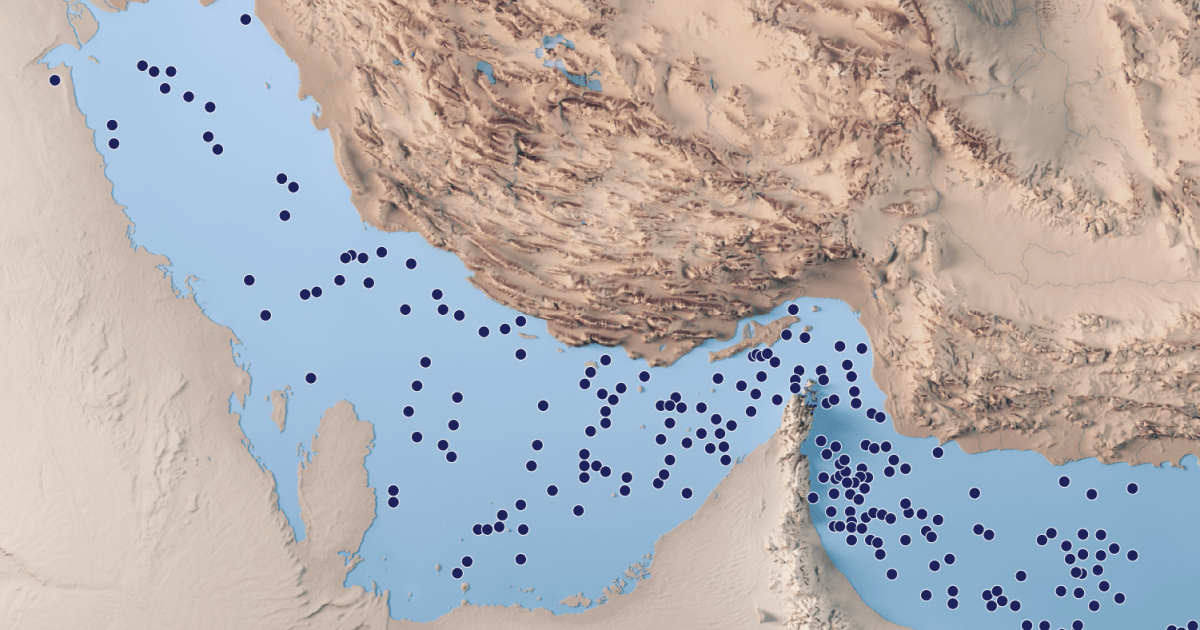

More than three weeks after the United States and Iran signed a memorandum of understanding (MoU) to end their war and restore shipping through the Strait of Hormuz, the future of passage through the vital waterway is once again under a cloud.
Three ships were attacked in the strait in recent days, after Iran accused them of attempting to pass without seeking its approval. The US hit back with escalating strikes on Iranian soil — first targeting coastal cities, and then, on Thursday morning, hitting the capital Tehran, too. Iran has in turn fired missiles and drones at multiple Gulf nations, even as the funeral ceremonies of Iran’s late Ayatollah Ali Khamenei have continued.
US President Donald Trump has said that he thinks the truce is “over”, sparking fears of the resumption of a full-fledged war with Iran. Tehran, meanwhile, has threatened to shut down the Strait of Hormuz again.
All of this has implications for a global economy that has for decades depended on the Strait of Hormuz, that suffered in recent months as the US-Israel alliance waged war on Iran, and that is now again on tenterhooks.
The Strait of Hormuz
The Strait of Hormuz is one of the world’s most strategically important maritime chokepoints. The narrow waterway, at its narrowest point about 33km (21 miles) wide, connects the oil- and gas-rich Gulf to the rest of the world.
Before the war, roughly 20 million barrels of oil and petroleum products passed through the strait each day – about one-fifth of global oil consumption – making any disruption to shipping a major concern for global energy markets and trade.

How many ships have been attacked in the strait since the ceasefire on June 17?
At least five commercial vessels have been attacked in and around the Strait of Hormuz since the US-Iran ceasefire.
Advertisement
June 25: The Singapore-flagged container ship Ever Lovely was struck by a projectile about 14km (7.5 nautical miles) southeast of Oman’s port of Dahit. No one was injured, and the vessel continued its voyage.
June 27: The Panama-flagged tanker Kiku was hit by what US Central Command (CENTCOM) described as a one-way attack drone while carrying more than 2 million barrels of crude oil. No crew members were injured, and no oil leaked.
The US blamed Iran and struck cities along its southern coast on June 26 and June 27. Iran retaliated with strikes on US bases in Bahrain and Kuwait, before both sides agreed to hold talks.
July 6–7: Three more vessels were attacked in separate incidents:
- The Qatari liquefied natural gas (LNG) tanker Al Rekayyat was struck by a projectile off the Omani coast, causing an engine-room fire. The crew was safely evacuated, but the ship suffered significant damage.
- The Saudi-flagged supertanker Wedyan, carrying crude oil, was damaged in a separate strike while transiting the Strait of Hormuz. No casualties were reported.
- A third ship, the Liberian-flagged M/T Cyprus Prosperity, was also attacked.
Before the war, about 100 ships passed through the Strait of Hormuz each day, roughly half of them oil tankers carrying a combined 20 million barrels of crude.
Iran effectively closed the strait after the US-Israeli bombing campaign began on February 28, while the US imposed a naval blockade on Iranian ports several weeks later.
The waterway reopened after the preliminary US-Iran agreement announced on June 17. However, ship traffic remained well below normal. According to PortWatch data, only 513 ships transited the strait in the first 18 days after it reopened between June 18 and July 5, averaging 28 ships a day, far below the pre-war average.
With the US and Iran now attacking each other’s territory or bases again, passage through the strait could once again come to a standstill.

Since the MoU was signed, many ships have switched on their public AIS tracking transponders, but others have not — which makes it difficult to estimate the complete volume of shipments through the strait.
How many seafarers remain?
About 6,000 seafarers remain stranded in the Gulf, according to the International Maritime Organization. Many are aboard ships unable to safely transit the Strait of Hormuz after months of conflict and repeated attacks on commercial vessels disrupted maritime traffic.
Advertisement
What is the route dispute?
Many vessels leaving the Gulf are avoiding pre-war shipping channels because of concerns over naval mines. Instead, they are sailing out of the Gulf via two corridors: one through Iranian waters and another through Omani waters under US oversight. The central section of the strait — where the seabed is believed to be most mined — remains largely unused.
However, Iran’s Islamic Revolutionary Guard Corps (IRGC) says vessels must use routes designated by Tehran, rejecting the newly announced shipping corridor through Omani waters. The IRGC warned that ships failing to comply with Iran’s instructions could face attacks.

Iran says it intends to introduce transit fees once the 60-day transition period ends. At the same time, the US and many shipping companies maintain that Hormuz is an international waterway where transit should remain free.
Trump has said that any fees would be “unacceptable”.

Related News

In pictures: Aftermath of twin earthquakes in Venezuela

UN rights body demands release of Palestinian doctor detained by Israel

Trump announces meeting with Iran in Qatar despite military skirmishes