New Flood Warning Procedures Being Developed for Antigua and Barbuda
 25 June 2026

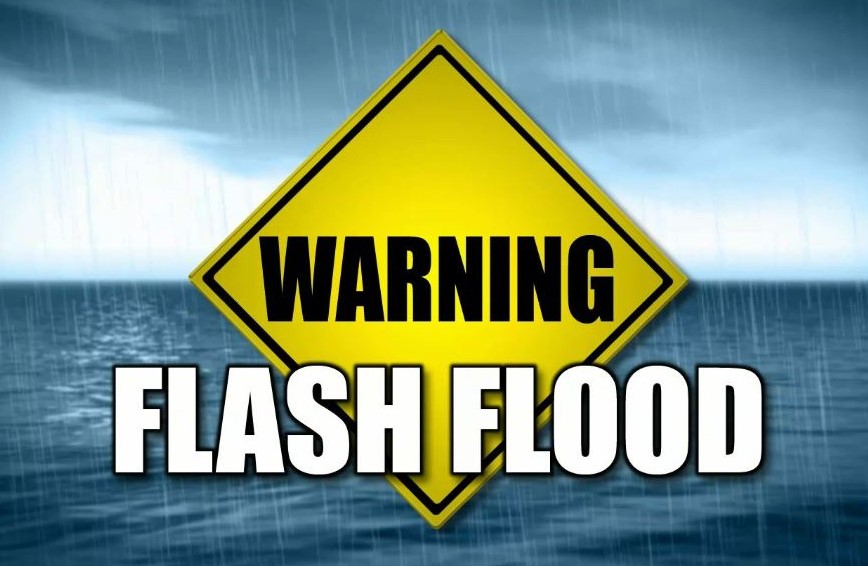


The Antigua and Barbuda Meteorological Service (ABMS), in collaboration with the World Meteorological Organization (WMO), will host a two-day National Institutional Workshop on the Development of Standard Operating Procedures (SOPs) for Flood Forecasting and Warning on June 25–26, 2026, at the National Office of Disaster Services (NODS), American Road, Saint John’s.

The workshop forms part of the Early Warning Systems for Floods (EWS-F) Project, funded by the United States Department of State, and represents a significant milestone in Antigua and Barbuda’s efforts to strengthen climate resilience, disaster risk reduction, and multi-hazard early warning systems.
The initiative has been secured and is being coordinated by the ABMS as part of its ongoing transformation agenda under the ABMS Meteorological Renaissance 2030 and the global Early Warnings for All (EW4ALL) initiative.

The workshop will bring together a broad cross-section of national stakeholders whose mandates intersect with flood risk management, including representatives from:

- Antigua Public Utilities Authority (Water Business Unit)
- Ministry of Agriculture
- Ministry of Works
- Survey Department
- Department of Environment
- Development Control Authority
- St. John’s Development Corporation
- National Office of Disaster Services (NODS)
- Antigua and Barbuda Search and Rescue (ABSAR) Services
- Insurance Sector Representatives
- The University of the West Indies (UWI)
- Antigua and Barbuda Meteorological Service
The participation of these institutions reflects the reality that effective flood early warning systems require a whole-of-government and whole-of-society approach, where forecasting, infrastructure planning, land-use management, water resource management, emergency response, academia, and the private sector work together to protect lives, livelihoods, and national development gains.
During the workshop, participants will collaborate to:

- Review end-to-end flood forecasting and warning workflows
- Clarify institutional roles, responsibilities, and decision-making processes
- Strengthen interagency coordination and communication mechanisms
- Improve warning dissemination and warning-to-action procedures
- Develop draft national Standard Operating Procedures for flood forecasting and warning
- Support the establishment of an integrated and sustainable flood early warning framework
A major focus of the workshop will be preparing Antigua and Barbuda for the implementation of the Urban and Flash Flood Information System (UFFIS), an advanced flood forecasting and decision-support platform being introduced under the EWS-F Project.
Once operational, UFFIS will provide state-of-the-art capabilities for monitoring, forecasting, and warning of urban and flash flood events, enabling authorities to anticipate impacts, improve preparedness, and make more informed decisions before, during, and after flood emergencies.

Importantly, Antigua and Barbuda is poised to become one of only a handful of countries in the Caribbean—and potentially one of the first three in the region—to benefit from this advanced technology. This places the country at the forefront of regional efforts to modernize flood forecasting and strengthen climate resilience through science-based decision support systems.
Director Dale Destin of the ABMS stated:
“Flood warnings must be more than forecasts—they must be actionable guidance that leads to timely decisions and protective action. This workshop represents a critical step toward building a truly integrated, impact-based flood early warning system for Antigua and Barbuda. By bringing together all relevant stakeholders, we are strengthening the institutional partnerships and operational procedures necessary to ensure that warnings reach the right people at the right time and lead to meaningful action.”
He added:
“This initiative is also an important component of the ABMS Meteorological Renaissance and Antigua and Barbuda’s implementation of Early Warnings for All. It demonstrates how strategic investment in meteorological and hydrological services generates benefits far beyond weather forecasting. Every dollar invested in the Meteorological Service strengthens public safety, protects critical infrastructure, supports economic development, enhances climate resilience, and reduces disaster losses. Strong meteorological services are not a cost; they are a national investment in resilience, sustainability, and prosperity.”
The workshop is expected to establish the institutional foundations necessary for the successful implementation and long-term sustainability of flood early warning services in Antigua and Barbuda, while contributing directly to national climate adaptation objectives and disaster risk reduction priorities.
The ABMS extends its sincere appreciation to the National Office of Disaster Services (NODS) for generously providing the venue and supporting this important national initiative.
The outcomes of the workshop will directly inform the development of operational flood forecasting and warning SOPs, helping to ensure that future flood warnings are timely, coordinated, impact-based, and actionable—ultimately strengthening the safety and resilience of communities across Antigua and Barbuda.
The Antigua and Barbuda Meteorological Service (ABMS) is a critical national institution entrusted with the provision of weather, climate, marine, and tsunami services for Antigua and Barbuda. As the national authority for meteorology and the focal point for meteorological early warning systems, the ABMS serves as a cornerstone of national resilience, delivering accurate, timely, and actionable information to government agencies, businesses, communities, and the public, which has real, measurable, significant economic value that has the potential to amount to up to 6% of GDP annually by avoiding disaster losses and improving efficiency — that’s roughly XCD 200–400 million (USD 74–150) in avoided costs every year. Through its forecasts, warnings, climate services, and hazard monitoring programmes, the Service plays a vital role in safeguarding lives, livelihoods, property, and critical infrastructure while supporting disaster risk reduction and climate resilience. Its services underpin key sectors including aviation, maritime transport and the blue economy, tourism, agriculture, water resources, health, energy, and emergency management, contributing significantly to national safety, economic stability, and sustainable development.
Advertise with the mоѕt vіѕіtеd nеwѕ ѕіtе іn Antigua!
We offer fully customizable and flexible digital marketing packages.
Contact us at [email protected]

Related News
Hermitage Bay Antigua Named To Condé Nast Traveler's Inaugural Triple Crown
EMPLOYMENT OPPORTUNITY: Airworthiness Inspector - Avionics
Antigua and Barbuda Among 14 Caribbean Nations in New Saudi Maritime Project