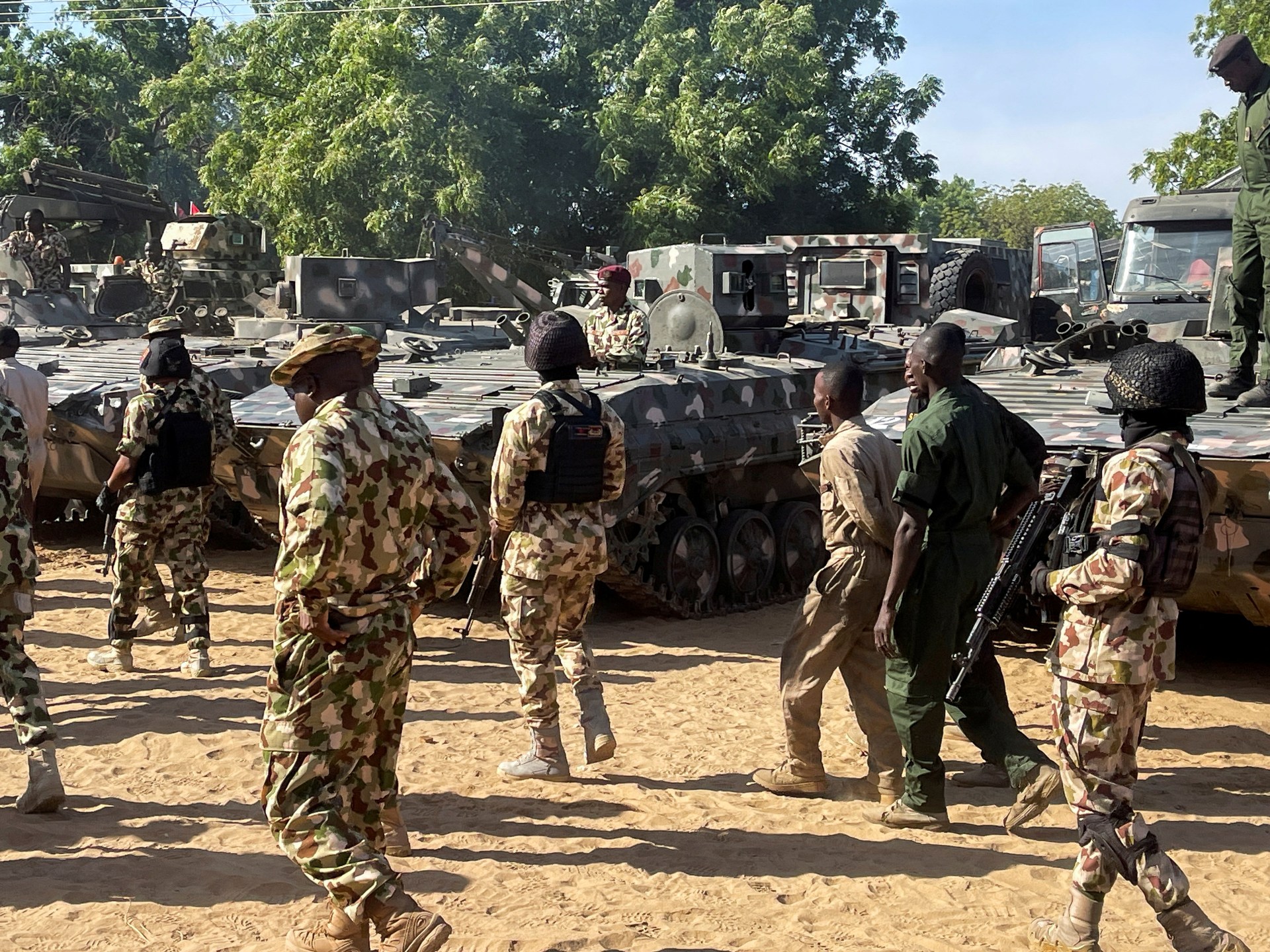
Trump faces slew of ‘bad options’ on Iran as diplomacy falters
 13 May 2026
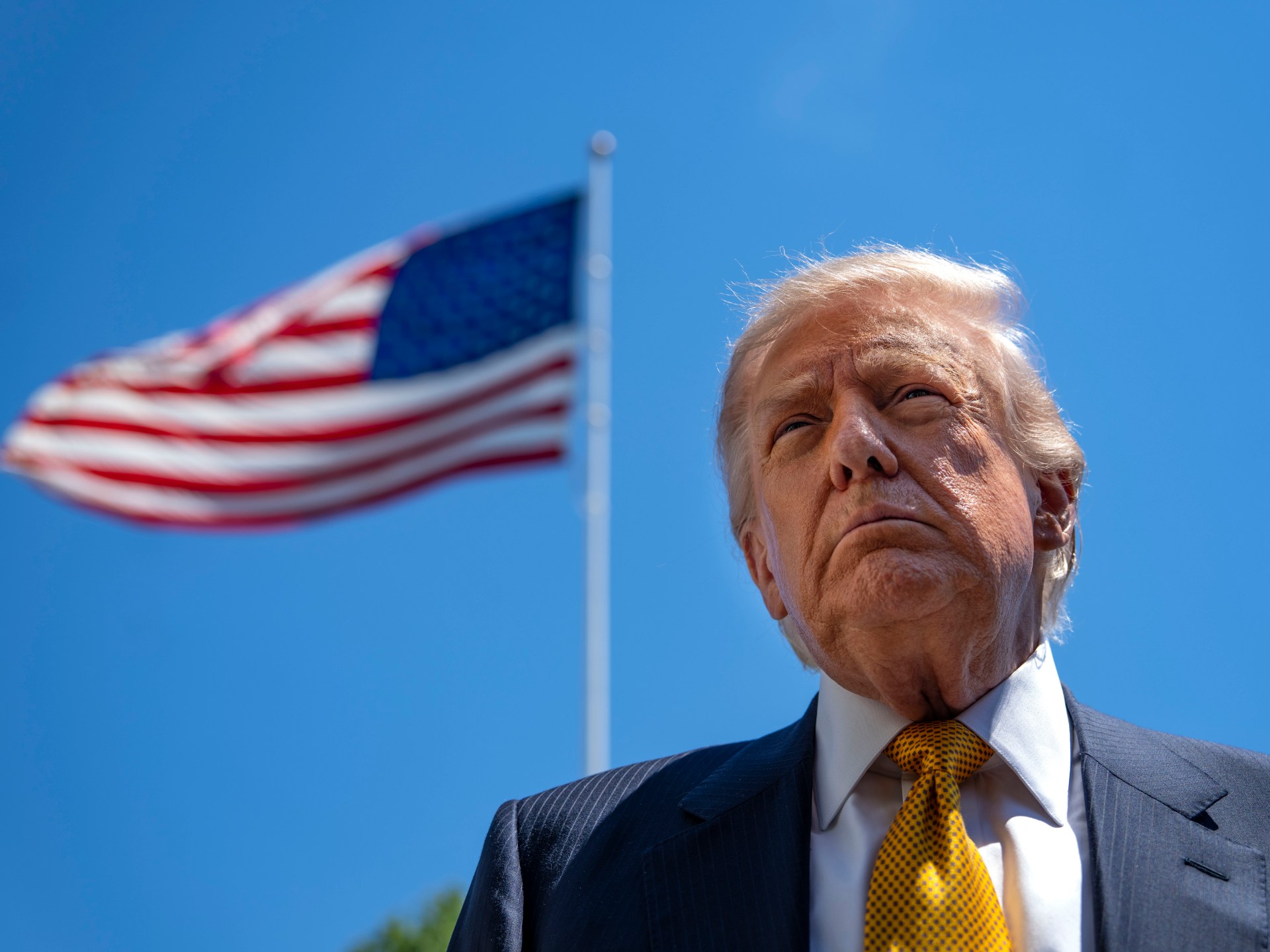

Optimism surrounding another set of peace proposals aimed at shaping a peace deal between Iran and the United States quickly faded this week as the two sides appeared to instead pull further apart, digging in and insisting that the other compromise for negotiations to resume.
US President Donald Trump has said that the already fragile ceasefire with Iran, in place since April 8, is now on “life support”, and members of his administration have increasingly hinted that the US could resume fighting.
- list 1 of 3Kuwait says it foiled infiltration operation by Iran’s IRGC
- list 2 of 3US faces rising costs with Iran war driving energy prices, inflation higher
- list 3 of 3Israel sent Iron Dome anti-missile batteries and personnel to UAE: US envoy
end of list
But analysts say for all of Trump’s bluster on Truth Social, his preferred megaphone, the US president is now trapped between escalation and concession, with the region increasingly stuck in a grey zone of neither peace nor war.
A resumption of hostilities remains possible, but the war is unpopular among Americans and could weigh heavily on Republicans ahead of crucial midterm elections. Yet extricating the US from the conflict and securing a deal may require Trump to concede ground to Tehran – either on its nuclear programme or over Iran’s role in the Strait of Hormuz, the world’s most important oil transit chokepoint through which roughly a fifth of global energy exports passes.
“The White House is left with a set of bad options,” said Allison Minor, a former official at the US State Department and National Security Council, and currently a director at the Atlantic Council’s Project for Middle East Integration.
Tehran wants an end to the war on all fronts, including Lebanon; it wants the first stage of negotiations to focus on ending hostilities before moving to a second step to discuss its nuclear programme and support for proxy groups. It rejects the dismantling of its nuclear programme, and wants sanctions to be lifted and the recognition of its influence over the key waterway. Trump has called its latest proposal — with these demands — “garbage”.
Advertisement
So what options does he have?
On Sunday, the US president hinted that more military moves may be needed, while Israeli Prime Minister Benjamin Netanyahu suggested the war was not over. Iran’s enriched uranium remains in the country — even though it is likely buried under rubble from US and Israeli bombings last June. Iran’s enrichment sites have not been dismantled. And Tehran still retains its proxy networks and ballistic missile arsenal, Netanyahu said in a CBS interview. “There is work to be done,” Trump said.
But while the US and Israel could well resume attacks on Iran, the prospects of a protracted conflict with no end in sight could translate into a major political liability for Trump, said Ian Lesser, a distinguished fellow at the German Marshall Fund of the United States.
“Things don’t evolve the way either side might assume,” he said, noting that the Iranian leadership has already proven to be more resilient and durable — with a higher threshold for physical and economic pain — than the US administration had expected.
To add to that, renewed fighting would affect US abilities to respond to threats elsewhere, including in the Indo-Pacific region, Lesser said, amid mounting concerns over depleted US ammunition stockpiles after five weeks of bombing Iran. A report by the Center for Strategic and International Studies warned that the conflict had already reduced Washington’s readiness for other potential confrontations, particularly with China.
Iran has already shown what would happen should the US and Israel resume bombing it, with Gulf allies bearing the brunt of it. After Trump announced “Project Freedom” – an initiative to force the opening of the narrow waterway to allow stranded vessels to transit – Iran responded with a barrage of missiles and drones targeting the United Arab Emirates. US officials argued that the attacks were not enough to be considered a breach of the fragile ceasefire agreed upon in early April – a signal of the Trump administration’s lack of appetite to pick up fighting again, observers said. Instead, the US president suspended the Hormuz initiative within 24 hours, even though a naval blockade of vessels linked to Iran seeking passage through the strait remains in place.
Pressure is mounting at home, too. The latest Reuters/Ipsos survey published on Tuesday suggests two-thirds of Americans polled do not think that Trump has given a clear rationale for why the US waged this war. And the same percentage is feeling the financial strain from the war as gas, oil and fertiliser prices are rising. Trump’s approval rating of 36 percent remains far lower than what it was — 47 percent — last year, ahead of mid-term elections in November that could determine whether the Republican Party retains control of Congress.
Advertisement
While the US president has often appeared relatively insensitive to popular opinion in Washington, he cares about market fluctuations, energy prices and inflation and “understands that the status quo can’t be protected indefinitely,” said Minor of the Atlantic Council. “He will find creative framing to present some agreement as a victory even if he will have to concede something” to Iran, she added.
Trump, she said, is unlikely to be able to convince Iran to both strike a deal that limits its nuclear programme and give up control over the Strait of Hormuz. “He will be forced to prioritise one over the other and he will prioritise the nuclear deal,” Minor said.
Meanwhile, Iran’s posture on the negotiations has hardened. Iran’s ceasefire proposals and defiant posture reflect a leadership that has emerged from the conflict confident that it holds the upper hand and is unlikely to bow to American pressure, says Dennis Citrinowicz, a senior researcher at the Institute for National Security Studies.
From Tehran’s perspective, the war and the economic pressure campaign have failed to force strategic concessions. On the contrary, Citrinowicz said, Iran appears to view the crisis as an opportunity to expand its leverage and redefine deterrence vis-a-vis Washington. Still, Iran’s confidence masks significant vulnerabilities, including mounting economic strain and damage to parts of its military infrastructure.
“The Iranian response leaves Trump with very few viable options, and all of them range from bad to worse: either accepting terms that are politically impossible in Washington, or escalating further in ways that could trigger a broader regional confrontation without actually changing Tehran’s core positions,” he said on X.
Related News
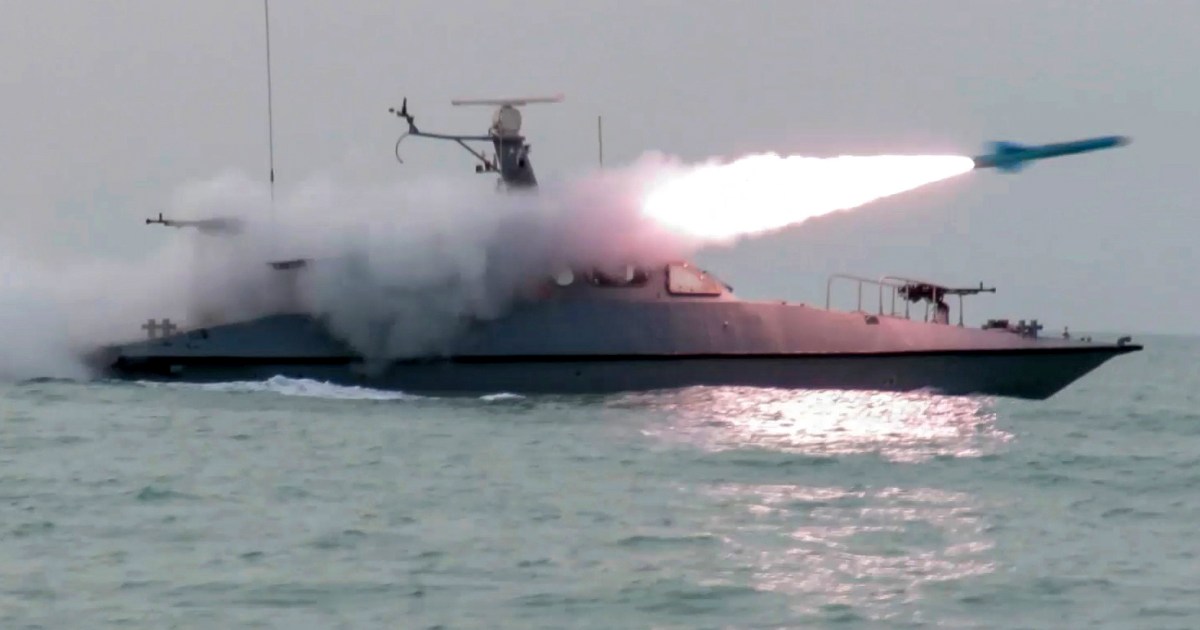
War preparations under way in Iran as Hormuz tensions with US escalate

Trump says Tennessee next to redistrict after US Voting Rights Act ruling
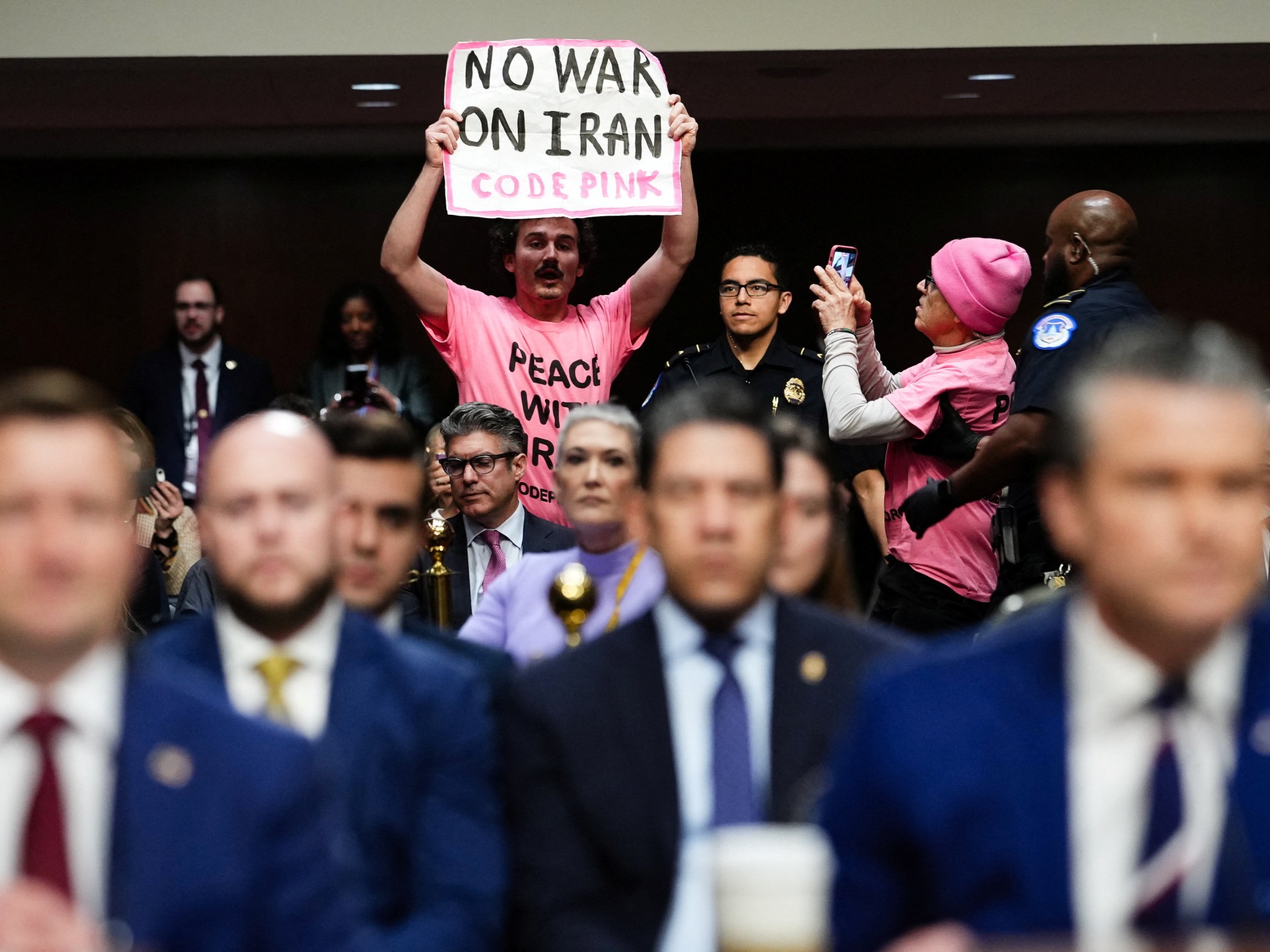
Poll finds 61 percent of Americans believe attacking Iran was a mistake