Ivory Coast dissolves electoral body amid criticism
 07 May 2026
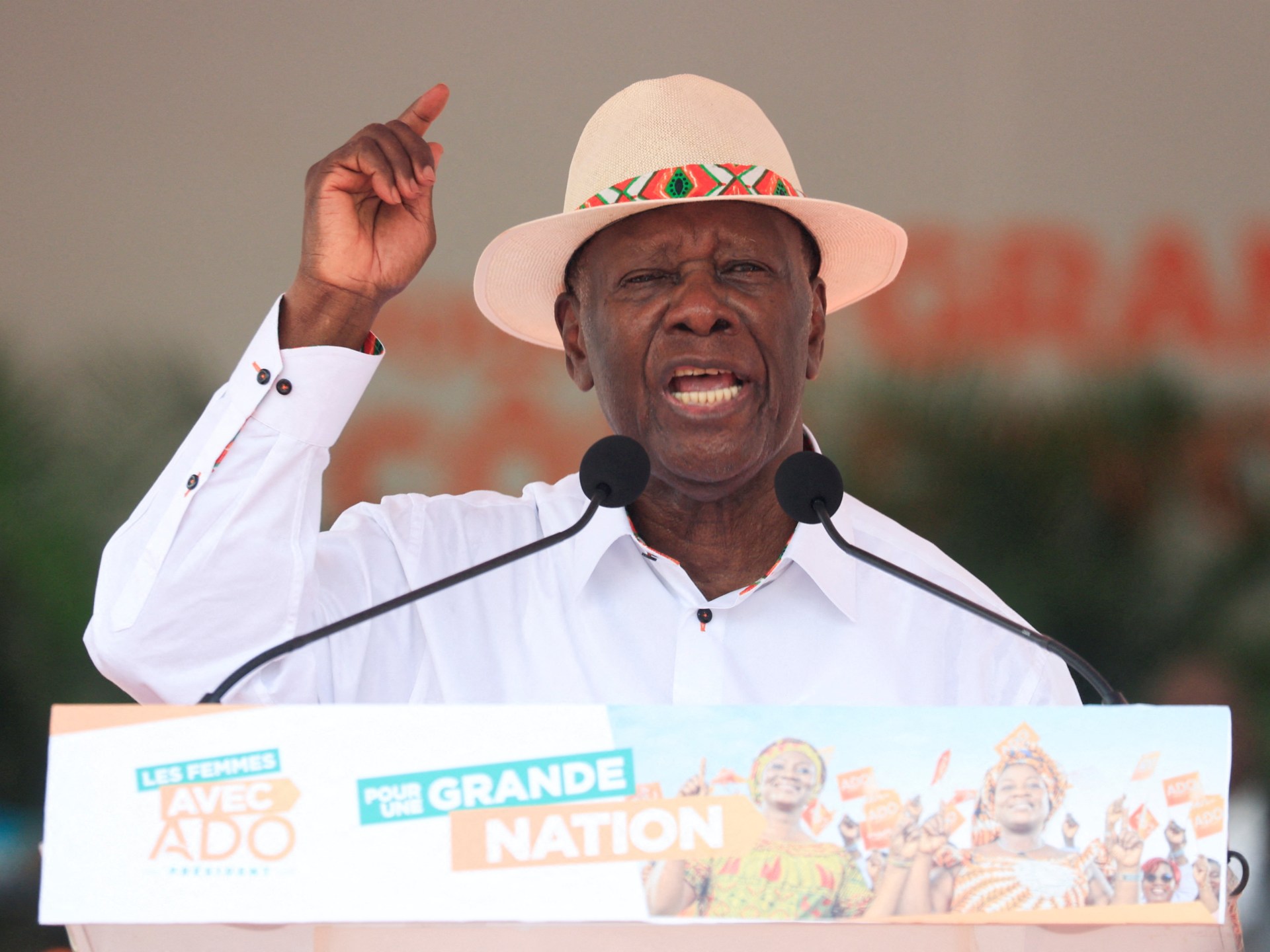

Ivory Coast’s government has dissolved the Independent Electoral Commission (CEI) after sustained opposition criticism over its handling of elections.
“In view of the reservations expressed about this institution as well as the criticism it has faced, the Council of Ministers has decided to dissolve it,” Communications Minister Amadou Coulibaly said at a news conference after a cabinet meeting on Wednesday.
- list 1 of 4US and Ivory Coast sign $480m deal as part of ‘America First’ aid strategy
- list 2 of 4Why are some African countries banning US citizens from entry?
- list 3 of 4Epstein & Africa: Did sex offender push Israel-Ivory Coast security deal?
- list 4 of 4Minerals for aid: Are new US health deals ‘exploiting’ African countries?
end of list
Coulibaly said the move was aimed at paving the way for a new election management system but stopped short of naming a replacement for the CEI.
“I cannot tell you at this stage what this new mechanism will be, which will certainly be discussed and put in place at the government level,” he said.
The aim, he said, is “to ensure in a lasting way the organisation of peaceful elections by creating greater trust and reassuring all Ivorians and the political class”.
Opposition parties have regularly accused the commission of lacking independence, saying its membership was aligned with the ruling coalition.
Authorities denied such allegations.
The CEI, created in 2001, has overseen all of Ivory Coast’s elections since the end of military rule in 2000. Its main role was to ensure the strict application of the electoral code.
However, it has been at the centre of nearly every major electoral dispute, including the 2010 presidential election, whose contested outcome triggered months of deadly violence.
Ivory Coast last held a presidential election in October when President Alassane Ouattara won a fourth term with nearly 90 percent of the vote after several prominent opposition figures were barred from running, prompting criticism from opposition and civil society groups over the inclusiveness of the process.
Advertisement
Related News
Iran offers Hormuz deal without nuclear talks, as it seeks broader buy-in
US sanctions China’s ‘teapot’ refinery for buying Iranian oil

Map of dominance: Why Iran can’t afford to give up Hormuz control