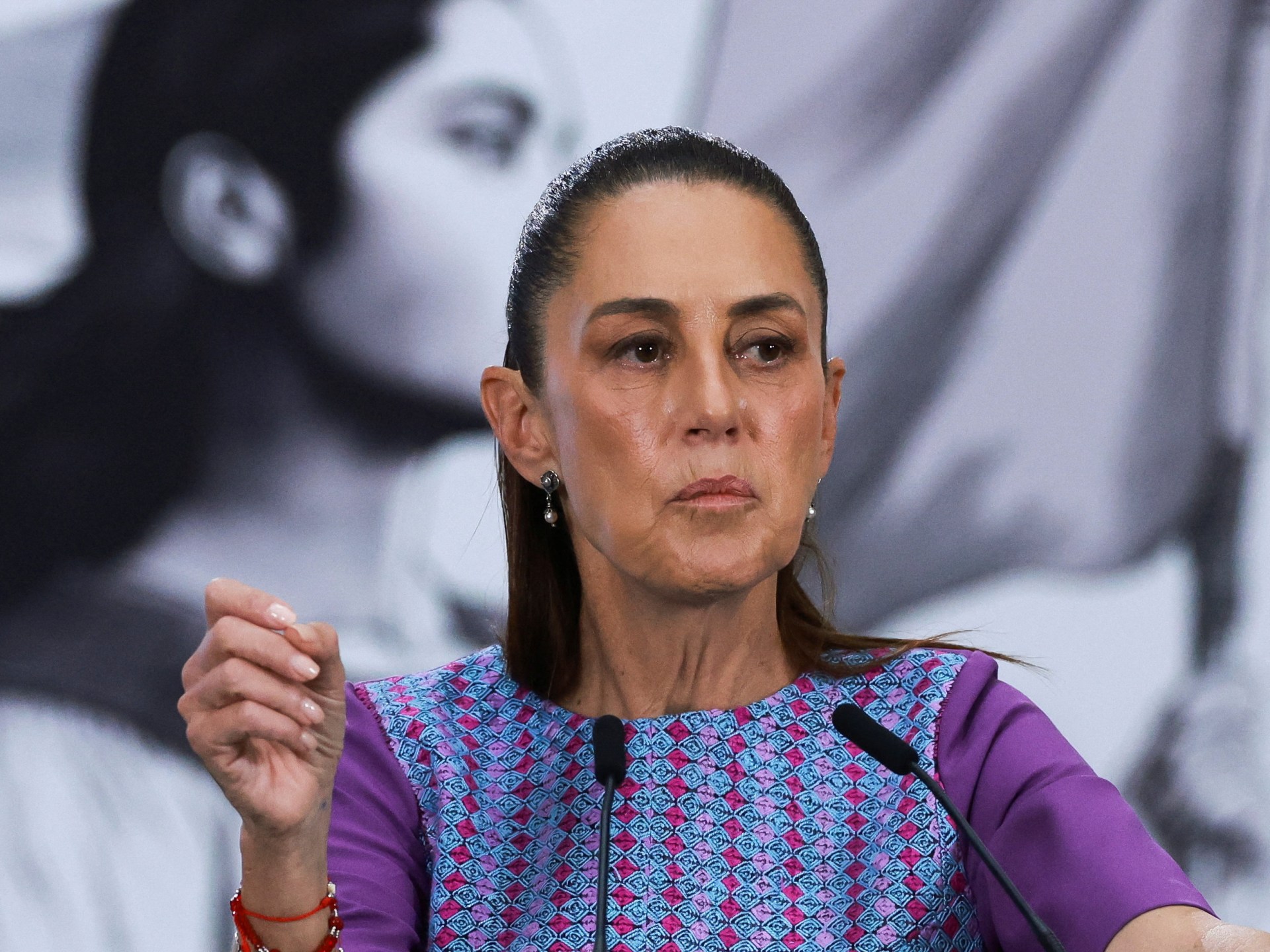
Mali probes soldiers suspected of involvement in military base attacks
 02 May 2026
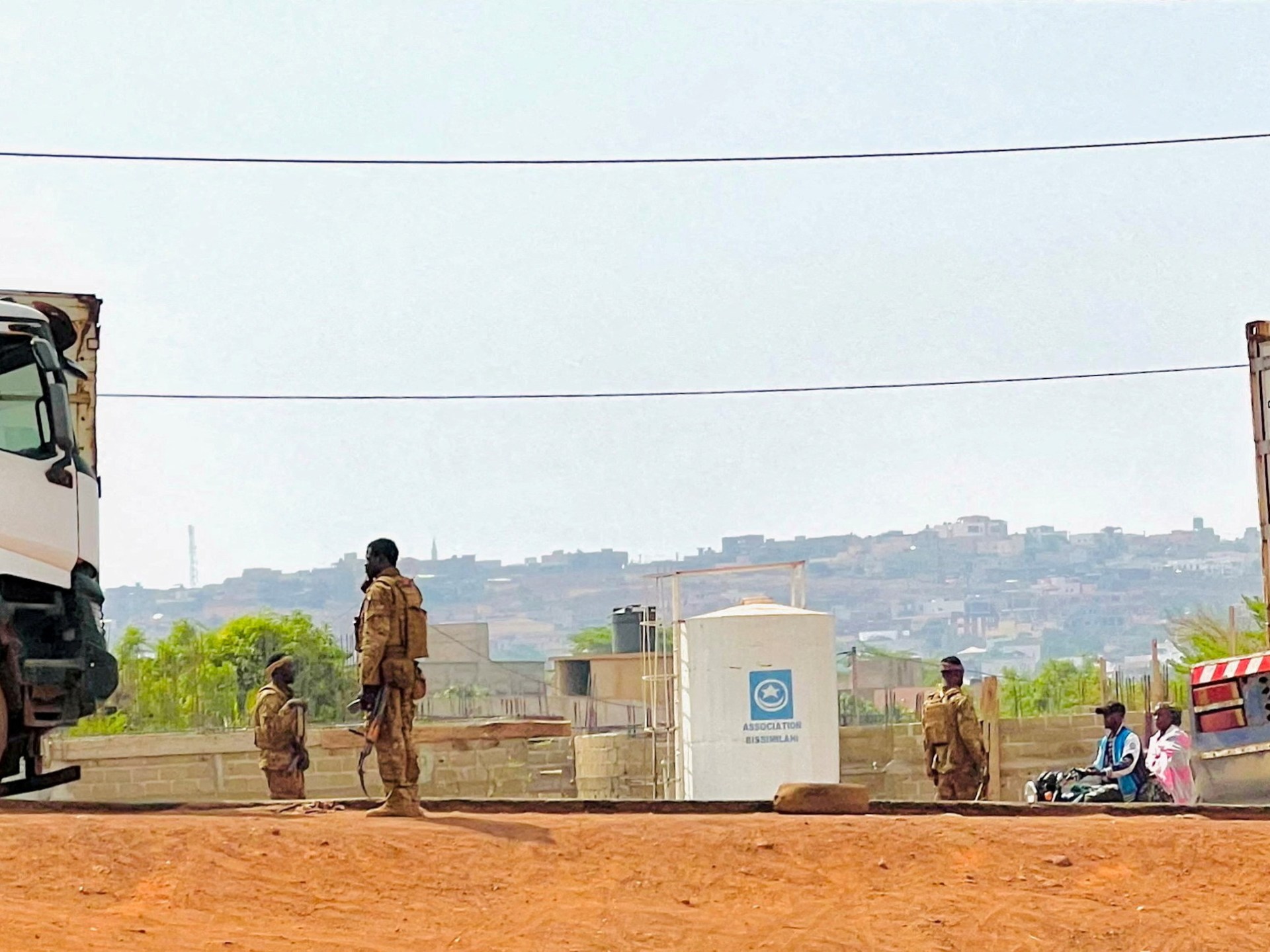

Malian authorities say they are investigating soldiers suspected of involvement in a wave of simultaneous attacks on army bases across the country last week, claimed by an al-Qaeda affiliate and separatists.
A prosecutor at a military tribunal near the capital, Bamako, said in a statement on Friday that five suspects had been identified, including three active-duty soldiers, one retired person and a soldier who was killed in fighting near a Bamako army base.
- list 1 of 4Rebel checkpoints reported around Mali’s capital, northern town seized
- list 2 of 4Mali crisis: Who are the key leaders to know about?
- list 3 of 4‘We saw terrible things’: Mali refugees tell of atrocities amid attacks
- list 4 of 4Mali’s Tuareg rebels say Russian fighters must withdraw from country
end of list
“The first arrests have been successfully carried out, and all other perpetrators, co-perpetrators, and accomplices are actively being sought,” the statement said.
The coordinated assault on the morning of April 25 struck at the heart of the West African country’s military government, which took power after coups in 2020 and 2021.
The defence minister was killed and Russian forces backing the government were forced out of the northern town of Kidal, which al-Qaeda-linked Jama’at Nusrat al-Islam wal-Muslimin (JNIM) and Tuareg separatists of the Liberation Front for Azawad (FLA) now control.
The violence has set off fighting across Mali’s vast desert north, raising the prospect of significant gains by armed groups that have shown an increasing willingness to strike neighbouring countries.
JNIM has called on Malians to rise up against the government and transition to Islamic law. The group has also pledged to besiege Bamako, and on Friday security sources told the Reuters news agency it had set up checkpoints around the city of four million.
Advertisement
Military leader Assimi Goita said in a televised address on Tuesday that the situation was under control and promised to “neutralise” the armed groups behind the attacks.
Ulf Laessing, head of the Sahel programme at the Konrad Adenauer Foundation, a German think tank, said the “big test” will be whether the government can hold on to larger cities in the north, such as Timbuktu and Gao.
“If they also fall, then anything might happen,” Laessing told Al Jazeera.
Related News
Can the EU’s Article 42.7 offer Europe NATO-like collective defence?
China urges reversal of UNIFIL departure from Lebanon as conflict escalates
Sudan refugees returning home face new ‘struggle for survival’: UN