OPINION: Do Workers Feel Safe at Their Place of Work?
 30 April 2026

**Do Workers Feel Safe at Their Place of Work?**


Do you feel safe at your place of work? The workplace is often a site of conflict and discrimination. For many employees, work is an ends to a need. The workplace can be a source of stress and anxiety. The work environment can also be a safe space where the human rights of all workers are upheld. According to the World Health Organization (WHO), nearly 60% of the global population is engaged in work. Therefore, the fundamental right of all workers to a safe and healthy environment is of great importance. A significant portion of our lives is spent in our own workplaces. It should therefore not come as a surprise that both workplace health and safety are now public health concerns. On April 28 of each year the global community observes World Day for Safety and Health at Work. The day is set aside to promote the prevention of occupational accidents and diseases globally. Occupational health encompasses the physical, mental, and social well-being of workers, while preventing workplace-related hazards. Hazards can lead to occupational diseases that erode workers’ ability to participate in the workforce, and result in increased rates of long-term illness. World Health Organization (WHO) and the International Labour Organization (ILO) estimated that work-related diseases and injuries resulted in 1.88 million deaths in 2016. The impact of climate change on occupational health is also a concern. The WHO further states that climate-related hazards, particularly extreme weather events, limit work output and duration, and pose risks to workers’ health and safety.

Prevention of Occupational Accidents and Diseases
World Day for Safety and Health at the Workplace speaks to an awareness-raising campaign intended to focus international attention on the magnitude of the problem and on how promoting and creating a safety and health culture can help reduce the number of work-related deaths and injuries.

Each of us is responsible for stopping deaths and injuries on the job. Governments are responsible for providing the infrastructure, laws and services necessary to ensure that workers remain employable and that enterprises flourish; this includes the development of a national policy and programme and a system of inspection to enforce compliance with occupational safety and health legislation and policy. As employers we are responsible for ensuring that the working environment is safe and healthy

Health and safety also goes beyond physical concerns. The COVID-19 pandemic highlighted the urgent need to address mental health issues in the workplace. A safe and healthy working environment supports mental health, and good mental health of course enables people to work productively. Issues such as depression and anxiety are pervasive in workplaces, impacting productivity and performance. When left untreated, the economic cost is estimated at US$1 trillion annually.
Let’s Ensure A Healthy Psychosocial Working Environment

The psychosocial working environment is defined by how work is designed, organized and managed, and the organizational practices that shape everyday working conditions. Psychosocial factors such as workload and working time, role clarity, autonomy, support, and fair and transparent processes strongly influence how work is experienced and affect workers’ safety, health and performance. It is also important that the workplace facilitate psychosocial support for their employees who are in need of this service. It is not uncommon in global education systems to have some teachers with more teaching sessions than others. Those teachers who are not on friendly terms with administration are known to receive a burdensome timetable. This discriminatory practice leads to burnout and may spiral into psychological issues such as depression, anxiety and stress. When psychosocial factors harm workers, they become hazards which, alongside physical, chemical and biological types, must be addressed and managed to ensure safe and healthy working environments.
Proactive Organization Policies Required

Effective organizational policies, early detection of health issues, health screening, and preventive care contribute to a safety net and increase health awareness for workers. On this World Day for Safety and Health at Work let us prioritize occupational health in order to achieve sustainable growth and inclusive development. The mental well-being of employees must be prioritized. As workers we are responsible to work safely and to protect ourselves and not to endanger others, to know our rights and to participate in the implementation of preventive measures.
In the words of Jerry Smith, safety isn’t expensive, it’s priceless.
Wayne Campbell is an educator and social commentator with an interest in development policies as they affect culture and or gender issues.
@WayneCamo
Advertise with the mоѕt vіѕіtеd nеwѕ ѕіtе іn Antigua!
We offer fully customizable and flexible digital marketing packages.
Contact us at [email protected]

Related News
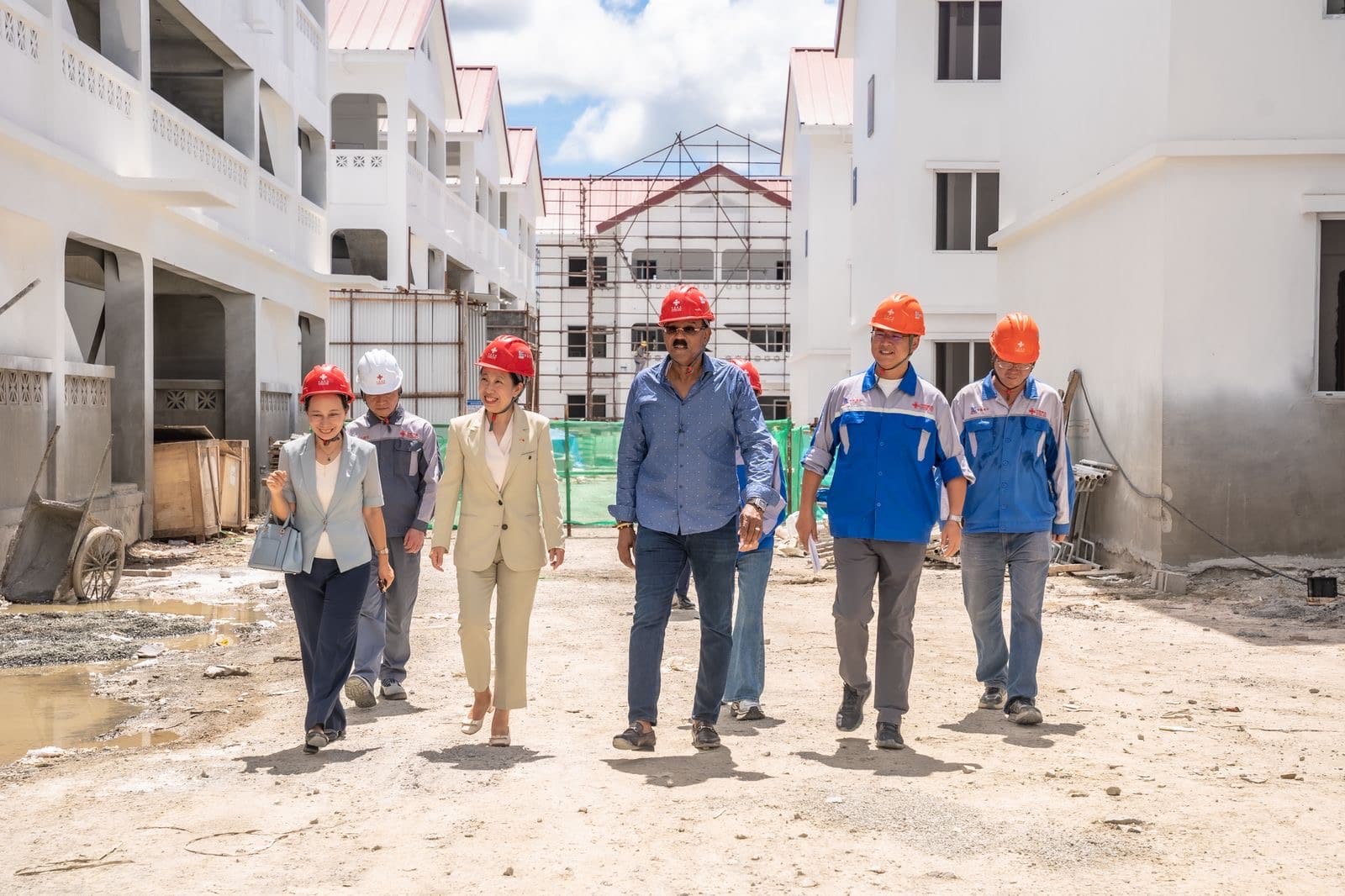
Prime Minister Browne pleased with Booby Alley Development

Jamaican Legendary Reggae –Gospel Artist George Nooks Is Coming to Antigua for “Grace ...
Turner Says Housing Rollout Begins in Pares Village with 13 Homes, 21 More Units in Parham