
Analyst says interest in Epstein files plummeted after war on Iran launched
 04 March 2026
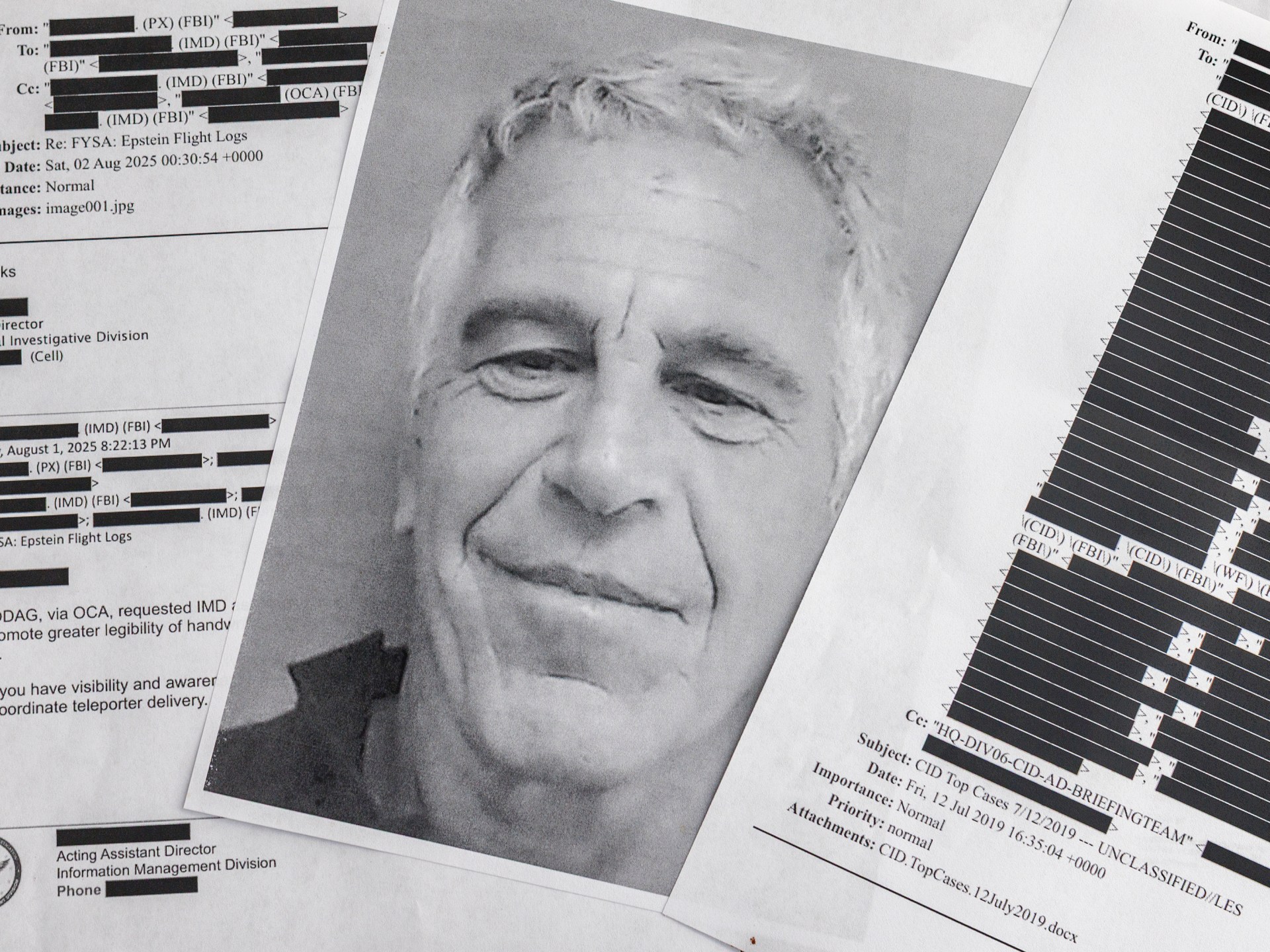

Before the United States and Israel launched their war on Iran five days ago, the fallout from files released by the US Department of Justice on the convicted sex offender Jeffrey Epstein were reverberating around the world.
They ensnared a former British royal, Andrew Mountbatten-Windsor, and the former United Kingdom Ambassador to the US, Peter Mandelson, with both being arrested, rocking the Keir Starmer government.
- list 1 of 4Epstein ties cast shadow over legacy of Oslo’s Palestine peace efforts
- list 2 of 4US and Israeli interests may soon diverge on Iran
- list 3 of 4Epstein & Africa: Did sex offender push Israel-Ivory Coast security deal?
- list 4 of 4US Commerce Secretary Lutnick to testify before Congress about Epstein ties
end of list
Israel’s former Prime Minister Ehud Barak and numerous others have also faced intense scrutiny. Epstein’s deep links to Israel have prompted further allegations that he was an active Mossad spy.
And several leading figures in the US have resigned posts over connections to the disgraced financier.
US Secretary of Commerce Howard Lutnick has agreed to give testimony to lawmakers about his ties to Epstein, the head of a committee investigating the late sex offender has said Tuesday.
Last week, Bill Clinton told lawmakers he “saw nothing that gave me pause” when he spent time with Epstein, as the former president gave closed-door testimony
His wife, former Secretary of State Hillary Clinton, testified before the same panel the day before.
But all those reverberations and revelations have sharply shifted once the bombs started raining down on Iran.
On Sunday, Republican US Congressman Thomas Massie, who helped push the passage of the Epstein Files Transparency Act through Congress last year, said, “Bombing a country on the other side of the globe won’t make the Epstein files go away.” He has also been critical of the war.
Al Jazeera spoke to Shaiel Ben-Ephraim, an analyst with Atlas Global Strategies and a former Israeli diplomat, about the motives for the attack on Iran.
Advertisement
He said the attack and its timing are all about domestic politics in both the US and Israel, with “very little strategic rationale behind it”.
“The current approval numbers for Trump are the worst they’ve ever been, some of the worst this early in a term I can remember. And there’s signs that the economy is going to get worse, so he really needs a distraction from that in the form of a war,” he said.
“And if you look at searches on Google for the Epstein files, they’ve plummeted since this started. So, at least temporarily, it’s succeeding. It’s taking up Congress’ time and it’s taking up the media’s time,” he added.
Israeli Prime Minister Benjamin Netanyahu may be hoping the war boosts his own approval ratings before elections, which local media are reporting may be called as soon as June, Ben-Ephraim said.
“The Gaza war of genocide wasn’t particularly successful in terms of getting Netanyahu public approval because the enemy there, Hamas, is kind of weak, and Israel didn’t do particularly well,” Ben Ephraim said, calling Iran “a more impressive enemy”.
Related News
Russia-Ukraine war: List of key events, day 1,458

Solidarity with Palestinians questioned as Indonesian troops set for Gaza

Gaza child dies waiting for Israeli permission to leave for treatment