Former Police Commissioner Questions Handling of Crump Case, Warns of Risk to Prosecution
 11 February 2026
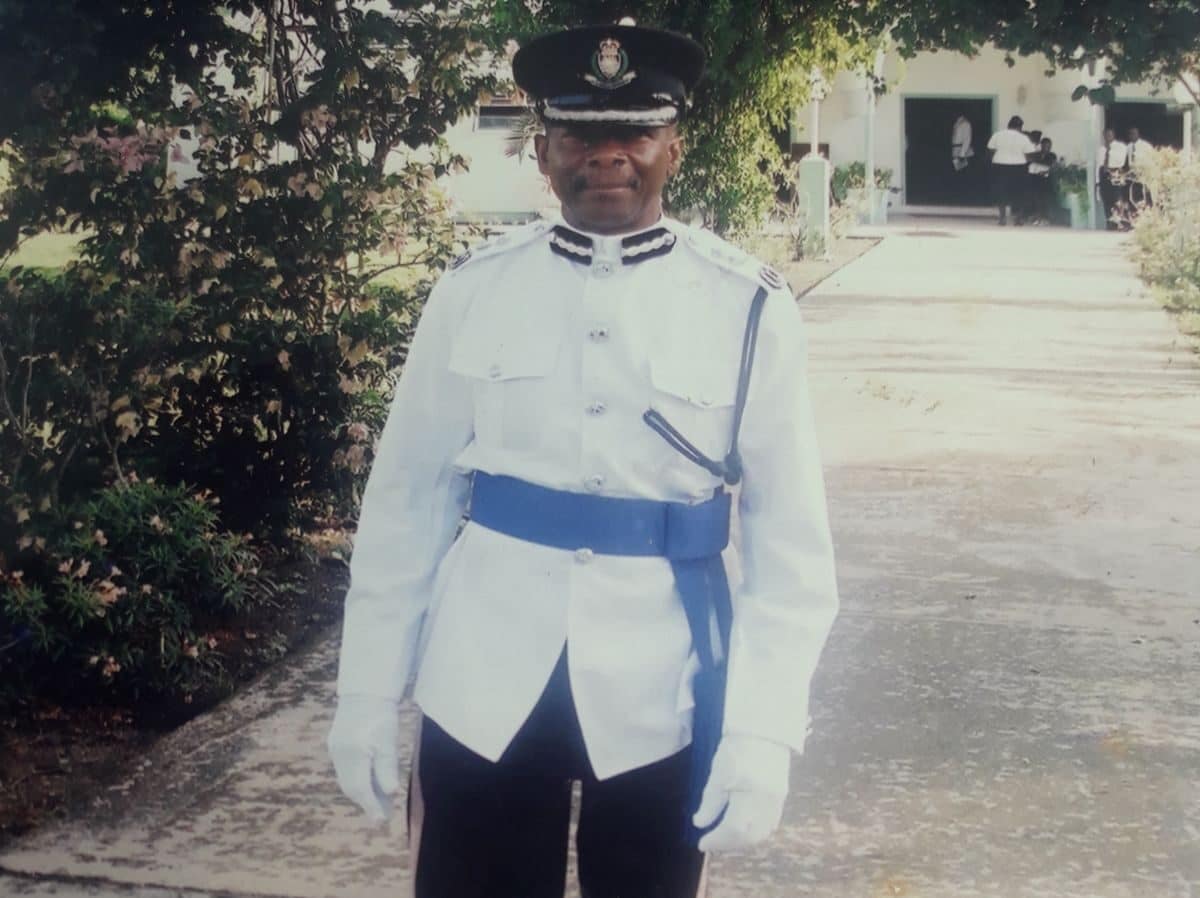



Former Police Commissioner Rawlston Pompey has raised concerns about the handling of the case surrounding the death of 9-year-old Chantel Crump, warning that delays and evidentiary gaps could jeopardize the prosecution.

In a lengthy public comment on the Antigua Newsroom blog, Pompey reacted to discussion about the matter and the possibility of it being struck out for want of prosecution — a legal term used when the prosecution fails to properly advance a case.
The case has not been dismissed.

Pompey, writing from what he described as a “professional perspective,” argued that charging a suspect before key forensic steps are completed can undermine a case. He said investigators should ensure that post-mortem examinations are conducted and that pathologists determine the cause of death before proceeding with serious charges such as murder.

He outlined what he described as the proper investigative sequence: establishing reasonable grounds for suspicion, gathering corroborating evidence, allowing the pathologist’s findings to be reviewed, and enabling the Director of Public Prosecutions to determine whether there is sufficient evidence to proceed to committal proceedings and ultimately trial by judge and jury.
Pompey suggested that haste, investigative shortcomings or public pressure can compromise cases. He warned that the criminal justice system must not be perceived as failing the victim’s family, the accused’s family or society at large.

Referring to the separate Vincia James matter, which collapsed at trial after a “no case submission” was upheld, Pompey described that prosecution as a “comedy of a trial” and cited it as an example of what can happen when charges are brought without sufficient evidence.
In the Crump case, Pompey acknowledged that the child’s body was recovered and that a post-mortem was conducted, but he noted that the reported findings on the cause of death were inconclusive. He questioned whether the file remains with the Director of Public Prosecutions and whether sufficient evidence exists to support committal proceedings.

He concluded by cautioning that prolonged evidence-gathering — medical or otherwise — can weaken prosecutions and erode public confidence in the justice system.
The matter remains before the courts.
Advertise with the mоѕt vіѕіtеd nеwѕ ѕіtе іn Antigua!
We offer fully customizable and flexible digital marketing packages.
Contact us at [email protected]

Related News
Calvin Ayre Foundation Conducts Back-to-Back Medical Evacuations for Citizens in Urgent Ne...
LETTER: Do Our Police Understand the Law They Enforce?
UPDATE: Reported Missing Teens Now in Police Custody