COMMENTARY: The Caribbean’s Moment of Choice in a Shifting World
 15 January 2026
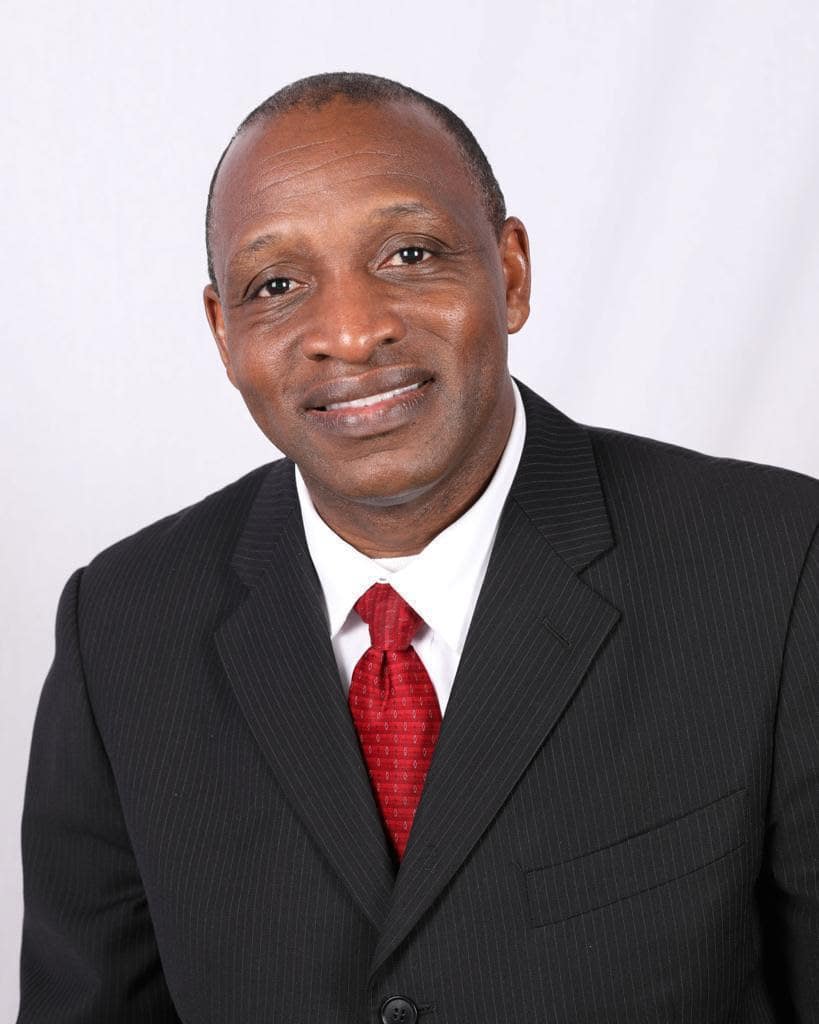

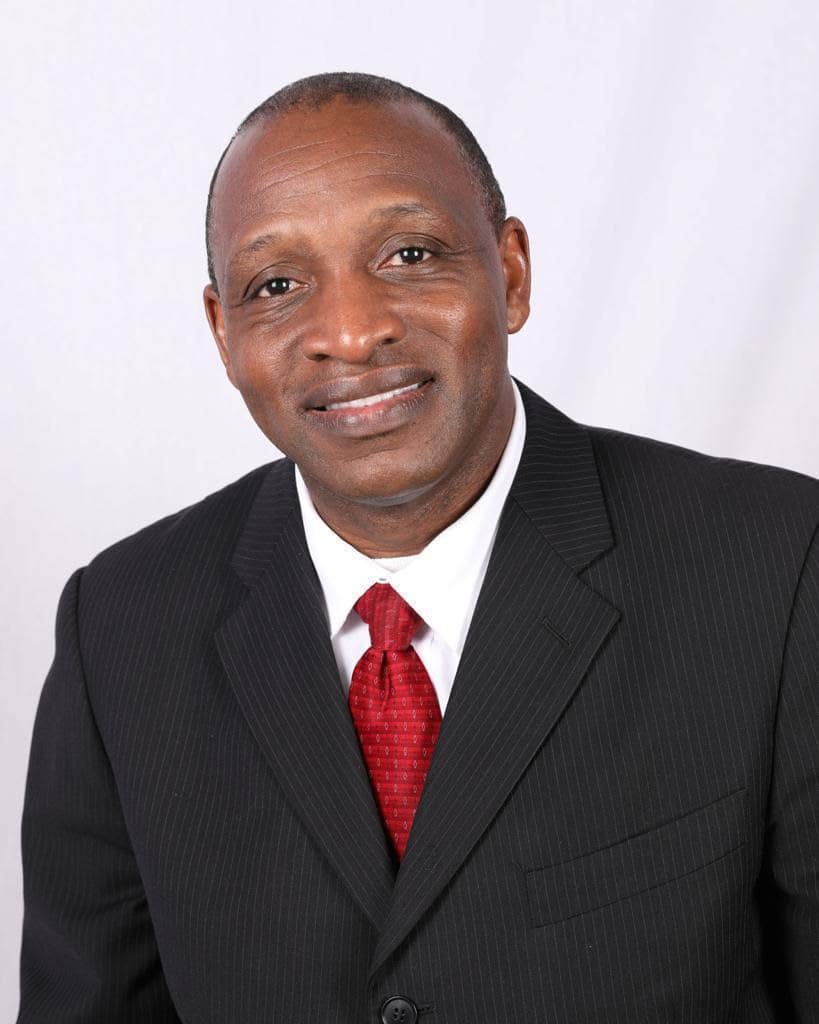



Professor C. Justin Robinson’s An Existential Moment for the Caribbean is a timely and important response to the challenges facing the region in today’s changing world. One of its greatest strengths is that it speaks honestly about how power really works. Instead of relying on polite diplomatic language, the article explains power as it is used in practice.

By placing current United States foreign policy within a long history of dominance, racial inequality, and unequal economic relationships, Robinson shows why small Caribbean states are especially vulnerable when global politics move toward one-sided decision-making. His warning is clear: a country can lose real control not only through war, but through economic pressure, security dependence, and powerful international institutions. This message is uncomfortable, but it is also realistic and necessary.
However, the article may place too much emphasis on the idea that American power will remain dominant forever. The belief that the United States can continue to control global outcomes without serious pushback overlooks how quickly power can change. History offers many lessons.
The British Empire once believed it would last indefinitely, but it weakened because of economic strain and changing global alliances. The Soviet Union appeared militarily strong, yet internal economic and technological problems eventually led to its collapse. These examples show that power based mainly on force often fails to recognize resistance, innovation, and long-term change.

The article also gives limited attention to how the nature of power itself has evolved. Military strength alone no longer guarantees control in a world shaped by cyber warfare, artificial intelligence, global finance, and supply chains. Countries like China, along with other technologically advanced middle-level powers, are not simply reacting to U.S. decisions.
They are actively shaping new global rules through trade networks, development loans, and digital infrastructure. At the same time, political division within the United States makes it harder to maintain clear and consistent long-term strategies. New technologies also reduce the gap between powerful nations and smaller ones. Together, these trends suggest a world that is unstable and changing, rather than one controlled by a single dominant power.

For the Caribbean, the years ahead will require careful thinking, not just survival. The region’s future cannot depend on passively following powerful allies or relying on old relationships. Caribbean nations must make deliberate choices. This means building partnerships with a wider range of countries, strengthening regional cooperation, and improving diplomatic skill.
Governments must move beyond reacting to global events and instead plan strategically across economic, security, and technological areas. Regional institutions should be strengthened so Caribbean states negotiate together rather than alone. Investment in education, digital skills, and economic resilience is no longer optional; it is essential to real independence in the modern world. The Caribbean must also use its shared voice to influence global rules, not just accept them. This is a moment of decision. With unity and foresight, the region can turn global uncertainty into opportunity. Without them, its future will be shaped by others.

Dr. Isaac Newton is a strategist and scholar trained at Harvard, Princeton, and Columbia. He advises governments and international institutions on governance, transformation, and global justice, helping nations and organizations turn vision into sustainable progress.
Advertise with the mоѕt vіѕіtеd nеwѕ ѕіtе іn Antigua!
We offer fully customizable and flexible digital marketing packages.
Contact us at [email protected]

Related News

LETTER: This too Shall Pass
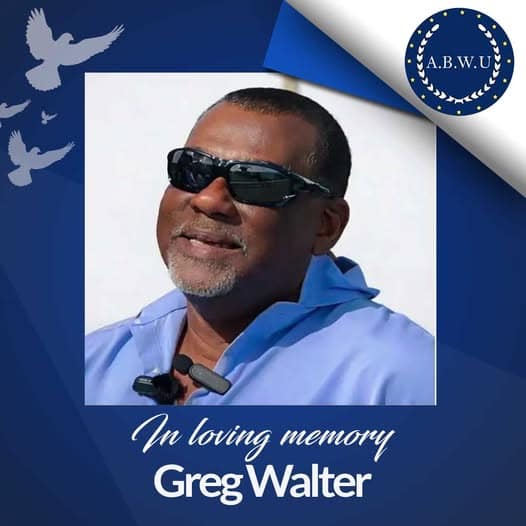
ABWU Mourns Passing of Greg Walter, Son of National Hero Sir George Walter

Derol Thomas Arrested and Charged for Drug-related Offences & Escaping Lawful Custody